
Top 7 Evidence-Based Therapies Used in Addiction Treatment in New Hampshire
Not all addiction therapies are equal. These evidence-based approaches are the ones actually used in New Hampshire treatment programs.
Recovery in New Hampshire doesn’t always begin with a drumroll. Another sleepless night, a long drive through familiar towns, or a time when daily tasks start to feel more difficult than they should might trigger this realisation. Things don’t change on the outside, but something does change on the inside. That small but powerful realization is what drives many people in New Hampshire to look for addiction treatment that really works.
Evidence-based addiction treatment that focuses on what really works is shaping recovery in New Hampshire. Real-world experiences and clinical research have shown how effective the therapies used in contemporary treatment programs are.
These methods deal with more than just drug use; they also deal with emotional health, behavior patterns, and mental health issues that often lead to addiction. At places like Clover BH, such treatment means meeting people where they are and giving them structured, caring care that helps them stay sober for a long time, not just for a short time.
This guide lists the seven best evidence-based therapies for addiction treatment in New Hampshire. These therapies are commonly used in both outpatient and intensive outpatient treatment programs.
What Are the Top 7 Evidence-Based Therapies Used in Addiction Treatment?
1. Cognitive Behavioral Therapy (CBT)
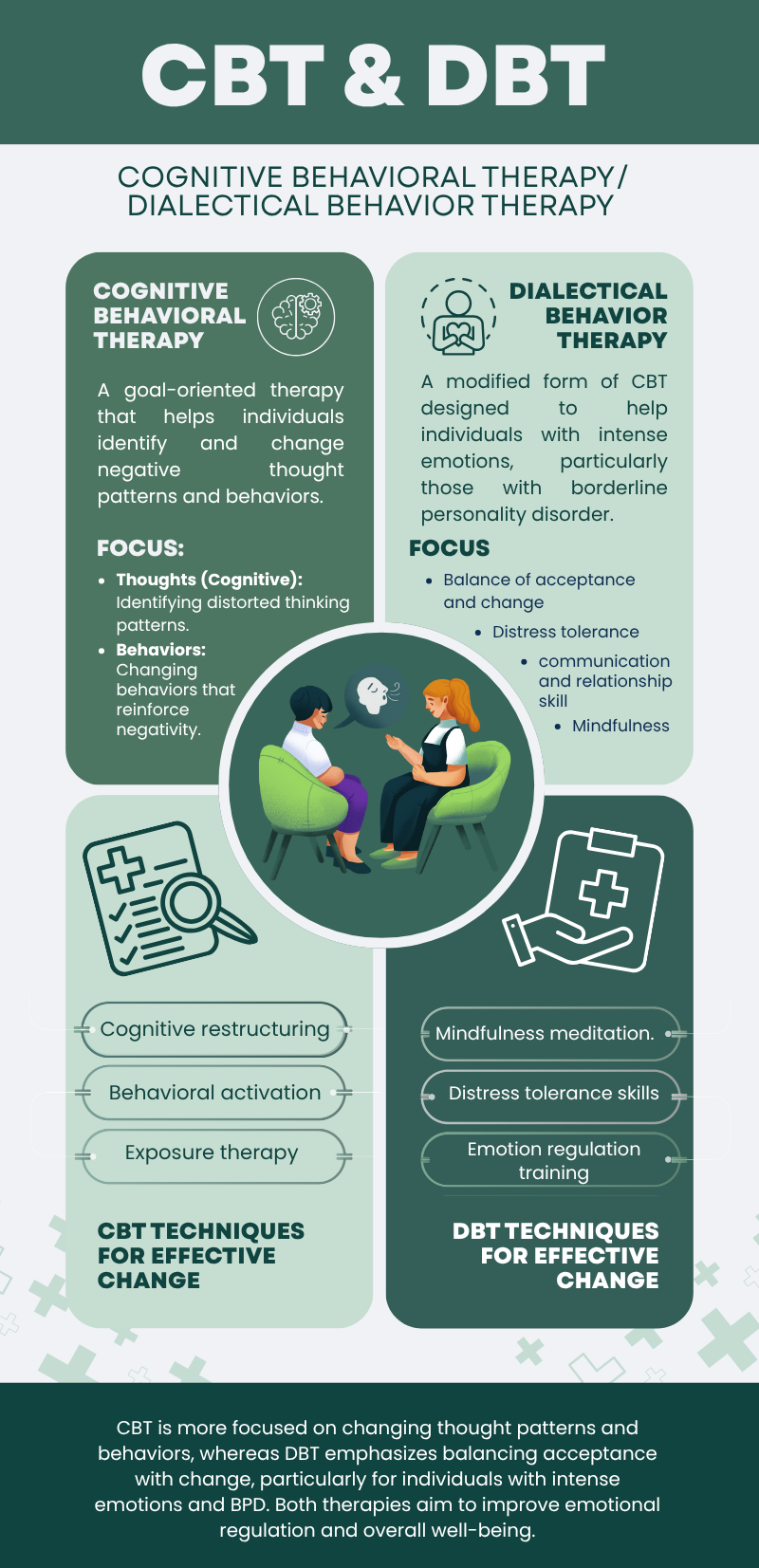
Cognitive Behavioral Therapy (CBT) is an important part of addiction treatment in New Hampshire that is based on evidence. It helps people recognize and change the negative thought patterns that lead to drug use, and it teaches them how to deal with triggers, cravings, and stress without using drugs or alcohol.
Studies show that CBT lowers the risk of relapse and improves mental health in general. Because of this, it is one of the most popular therapies used in addiction treatment programs in New Hampshire.
Addiction treatment centers in New Salem, NH, often use CBT in both individual and group therapy sessions. This helps clients become more aware of themselves, build emotional strength, and get support from others during their recovery.
2. Motivational Interviewing (MI)
In New Hampshire, evidence-based addiction treatment uses Motivational Interviewing (MI), which is a person-centred way of counseling. Instead of being told what to do, it helps people find reasons to change by looking at their own goals, values, and mixed feelings about using drugs.
MI works because it helps people work together and trust each other, makes them less resistant to treatment, and gets them more involved in their recovery, all of which help them stay sober for a long time.
Motivational interviewing is often used early in the recovery process at addiction treatment centers in New Salem, NH, to get clients ready for change. This is often done before clients move on to more intensive outpatient or therapeutic programs.
3. Medication-Assisted Treatment (MAT)
People who abuse alcohol and opioids can get drugs that the FDA has approved, like methadone, buprenorphine, and naltrexone, through Medication-Assisted Treatment (MAT). It also gives them therapy and counseling for their behavior. What we know makes it a very important part of addiction treatment in New Hampshire.
MAT works because these drugs help with cravings and the withdrawal symptoms that come with quitting. This helps people focus on getting better, getting their skills back, and going to therapy.
The state is doing something about the opioid crisis by making it easier for more people in New Salem, New Hampshire, to get MAT. Many treatment centers offer flexible outpatient options, like evening programs and telehealth services.
4. Therapy for Contingency Management
Research indicates that Contingency Management (CM) can assist individuals with substance use disorders. It encourages people to do things that are good for them, like going to therapy or not drinking, by giving them positive feedback. You can give people rewards like gift cards, small gifts, or more freedom.
This method works because it rewards people for making good choices at important times during their treatment. This gives them more reasons to stay involved and motivated as they start to get better. This form of therapy is a good way to help someone get better over time.
5. Dialectical Behavior Therapy (DBT)
DBT was first used to help people with borderline personality disorder, but now there is proof that it works for addiction in New Hampshire.
It teaches you how to be aware of your thoughts and feelings, how to control your emotions, and how to deal with stress so you can stay sober and deal with cravings.
Many treatment programs in New Salem, NH, use DBT to help people who have more than one mental health issue at the same time. This helps them get better and feel better mentally.
6. Family Therapy
Addiction usually doesn’t just hurt one person. Family therapy helps people get better by getting family members involved, improving communication, solving problems that haven’t been solved, and making the home a better place to live.
Studies show that including family members in treatment makes it much less likely that someone will relapse and helps them stay engaged in treatment by building trust, understanding, and emotional support.
In small towns like New Salem, NH, family therapy is often included in programs to help people who are addicted. This helps people fix their relationships and build support systems that will last.
7. Therapy to help with the 12 Steps
People who go to 12-Step Facilitation Therapy are encouraged to join groups run by other people, like Alcoholics Anonymous (AA) and Narcotics Anonymous (NA). As part of evidence-based addiction treatment in New Hampshire, it helps people connect with others, take responsibility, and get ongoing support for their recovery.
Final Words
This method works because having friends who support you is essential if you want to stay sober for a long time. People feel less alone when they regularly participate, learn healthy ways to deal with problems, and get support that goes beyond formal treatment.
Evidence-based addiction treatment in New Hampshire offers real hope for lasting recovery. These proven therapies address substance use while supporting mental and emotional health. At Clover Behavioral Health, we believe in compassionate, individualized care that helps people build meaningful, long-term recovery.
If you or a loved one needs support, contact us today to explore treatment options.
Read Next: What If No One Had to Know? Confidential Addiction Treatment Near New Salem, NH