
Mental Health Treatment Near Derry (IOP and Outpatient)
According to the Govt. Uk more than 453,000 new referrals are made to different mental health services every month for treatment. The highest number is grabbing the attention of people that how mental health challenges are increasing, and people need therapy and high-quality care to survive.
Mental health challenges of anxiety, depression, and trauma are commonly reported across the UK. The common mental health conditions people are experiencing are anxiety, panic attacks, and sleep disturbance. IOP is recommended for those people who have mild to moderate symptoms. The treatment plan offers therapies according to the ongoing emotional concerns of the patient.
On the other hand, traditional outpatient treatment is designed to help those patients who are stable enough to function in daily life. They have weekly sessions of individual therapy and some medications when needed. Although mental health treatment near Derry with IOP and outpatient treatment helps individuals to manage mental health conditions, they are different in their structure, treatment frequency, intensity, and duration.
In this blog, we will help you understand mental health treatments of IOP and Outpatient and their treatment structure, along with who can avail them.
What is an Intensive Outpatient Program (IOP)?
An Intensive Outpatient Program (IOP) is a structured form of mental health treatment designed for patients who need more support than traditional outpatient therapy. IOP treatment starts with a detailed mental health evaluation where professionals assess symptoms, thought patterns, and stress levels and create a personalized treatment plan.
The program structure usually follows the therapy sessions for several hours per week and often continues for a longer duration than outpatient therapy. Different therapies are suggested according to your traumas, and you can opt for coping strategies that are designed to help patients maintain stability.
This mental health treatment near Derry is advised for those individuals who have come across severe anxiety or panic attacks and struggle with an uneven daily routine. This program provides flexibility, and schedules are usually carried with your daily routine.
What is an Outpatient Program?
Outpatient treatment is recommended for those who have mild to moderate mental health symptoms. After completing the evaluation, patients are guided through a personalized treatment plan that contains structured therapies, counselling, and emotional support programs.
A licensed therapist focuses on the underlying emotional and behavioral patterns that trigger stress in specific situations. Through Cognitive Behavioral Therapy, you can work on your general thought pattern, and through DBT, you can replace your strong emotional patterns with healthier patterns.
This mental health treatment near Derry follows a structured approach of weekly one-to-one sessions on coping strategies and medical monitoring.
This care is recommended for people with anxiety disorders, depression, stress, and burnout, along with mood disorders. People who have enough stability to carry out their daily routine can enroll in this program.
“Choosing the right treatment improves recovery outcomes.”
Key Differences Between Outpatient Therapy and IOP
Although both programs are helpful for patients to treat their mental health symptoms, but their are some differences that must be considered before enrollment for a smooth treatment process.
1. Treatment Intensity
One of the major differences between outpatient therapy and IOP treatment is the intensity of emotions. Individuals with lower-intensity symptoms are recommended traditional outpatient treatment, while those experiencing severe anxiety can opt for Intensive Outpatient treatment.
By following treatment according to their emotional intensity, patients regain emotional stability in their daily lives.
2. Frequency of Sessions
Another major difference is the frequency of therapy sessions. The number of sessions usually depends on the patient’s condition and the progress they make during treatment.
IOP involves multiple therapy sessions each week for several hours. It includes therapies such as CBT, DBT, and trauma-focused therapy. In comparison, traditional outpatient treatment focuses on individual counselling, therapy, and medication when needed.
3. Time Commitment
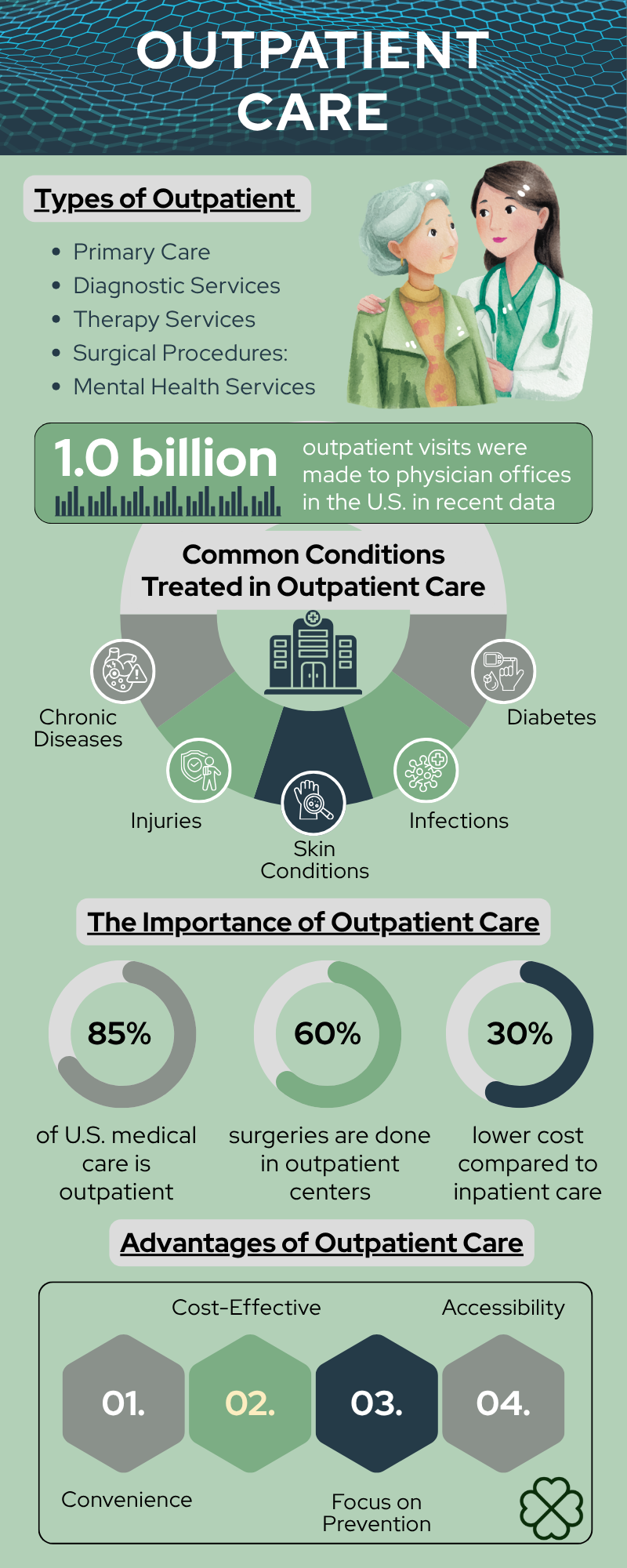
Outpatient programs usually require only a few hours each week. People attend therapy sessions and counselling at flexible times to carry out their normal routine. IOP offers several hours per day for 3-5-day therapy sessions each week.
The structured treatment schedule includes individual therapy, group sessions, skill-building activities, and emotional support.
Intensive Outpatient Program provides a higher level of care for individuals who need more consistent treatment without staying in a residential facility.
4. Structure of Care
Outpatient treatment follows a flexible and less structured approach. Individuals attend scheduled therapy or counselling while dealing with daily activities.
Patients visit the hospital 1-2 times a week for therapy and medical monitoring. It is recommended for those who have stable symptoms and can manage the treatment.
IOP treatment follows a flexible and structured treatment. Patients attend the therapies and skills workshops for several hours per day for one week.
5. Suitable Conditions
Outpatient treatment is assigned to those who have mild to moderate symptoms with stability and are able to manage daily functioning. This program is recommended for those who do not require constant supervision and can apply coping strategies easily.
IOP (Intensive Outpatient Program) is recommended for patients with moderate to severe symptoms your daily ability of functioning.
“Consistent therapy builds a stronger bridge of emotional strength.”
Types of Therapies Used in Outpatient Treatment
1. Individual Therapy
Individual therapy is a process where you can talk about your stress without the fear of judgment. You can openly share your emotions, thoughts, and the challenges you are going through in daily life.
The therapist listens carefully and helps you understand what is really happening under those feelings. They identify negative thinking patterns and triggers and guide you to some behavioral responses for betterment.
2. Group Counseling
Group therapy is a kind of discussion among many individuals who are experiencing the same mental health challenges.
Individuals share their experience in a safe setting where a licensed professional guides them towards opening up about their journey.
3. Medication Management
Some individuals are prescribed medication by a psychiatrist.
The medication is carefully selected based on the person’s symptoms and condition. The dosage will be adjusted according to the progress of the patient’s response to the treatment.
4. Family Therapy
Emotional and mental health challenges can affect families and relationships by creating misunderstandings and stress.
Family therapy is an important part of mental health treatment near Derry that is recommended in situations where both the patient and family members participate together in guided sessions with a trained therapist.
The therapist helps them improve communication, understand each other’s emotions and triggers by resolving conflicts.
Next Step Towards Healing
Mental health challenges can be effectively managed when the right level of treatment is chosen according to individual needs. Outpatient programs provide flexible and low-intensity support for individuals with mild to moderate symptoms.
On the other hand, IOP is designed for those who are experiencing symptoms and need structured and frequent therapeutic support while still living at home. These mental health treatments near Derry often include counseling, group sessions, medication management, and family therapy.
These treatments allow you to continue your daily responsibilities. Together, they work to improve emotional stability, strengthen coping skills, and support long-term recovery.
If anyone in your surroundings is seeking mental health treatment, then ask them to join the IOP or the outpatient program of Clover Behavioral Health to start their healing journey.