

Outpatient Program for Alcohol Detox in Andover MA: Why Flexibility Is the New Foundation of Sobriety
There’s this old idea floating around that getting sober means you have to leave everything behind. Pack a bag, disappear for a month, maybe two. Tell your boss something vague. Hope your life is still there when you get back.
For some people, that works. But what about everyone else? The single parent who can’t just vanish. The person is barely holding onto their job. The one whose family can’t afford to lose an income for six weeks. These aren’t excuses to avoid treatment. They’re just… life. Messy, complicated, won’t-pause-for-anything life.
Outpatient alcohol detox in Andover, MA, works differently. You don’t have to choose. You get help, and you keep your world from falling apart. Both at once. Turns out, that combination might actually work better. The truth is that sobriety that happens in a bubble doesn’t always survive real air.
At Clover Behavioral Health Center, we get it. Life keeps throwing punches whether you’re in treatment or not. So treatment learns to duck and weave with you. If you’ve been putting this off because you can’t see how to make it fit, maybe what follows will help.
You Don’t Have to Disappear
Leaving everything sounds brave until you actually think about it. What happens to your apartment? Your dog? The kid’s soccer games? Do you tell people where you’re going, or do you make up a story about a work trip that somehow lasts a month?
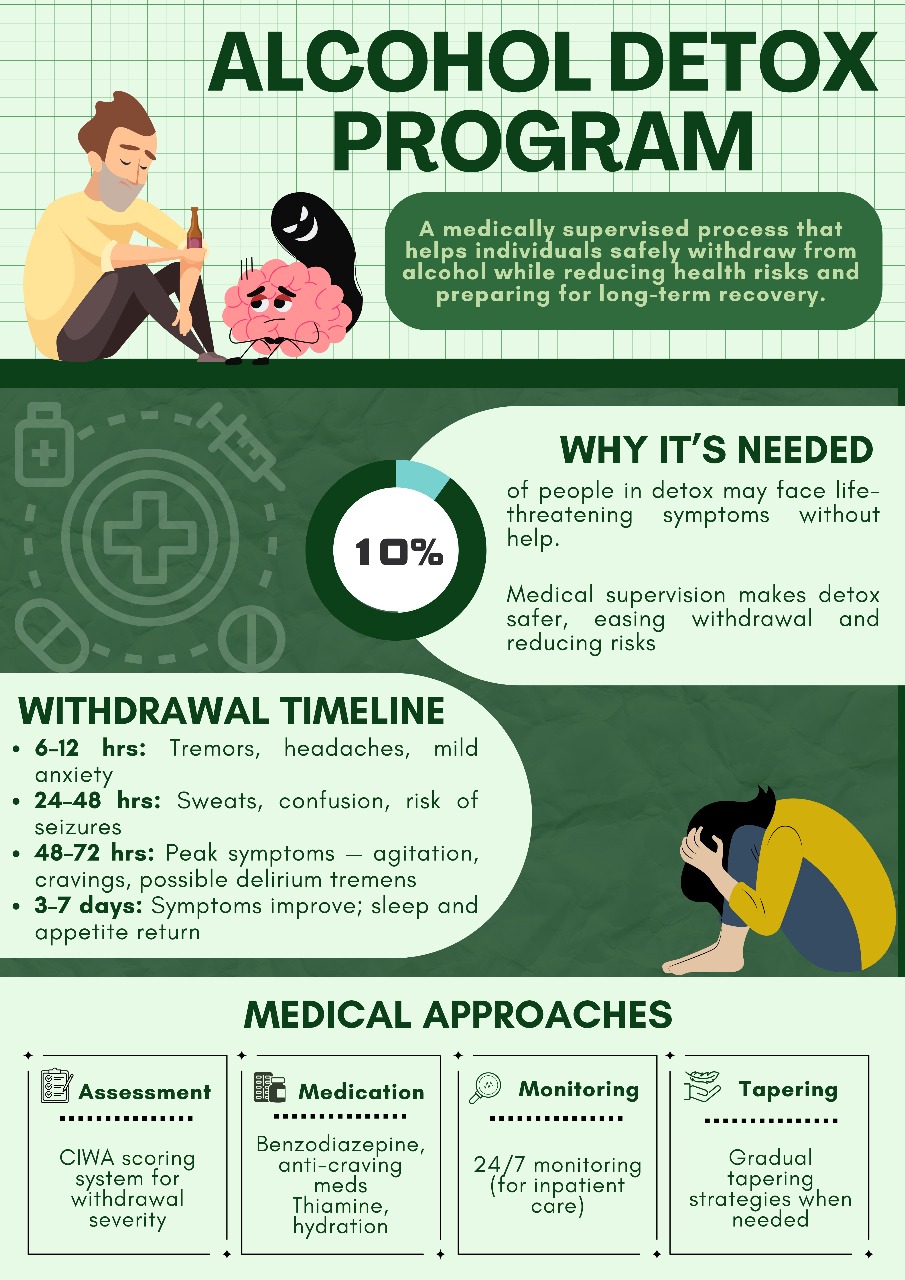
Outpatient detox means you stay put. Your bed. Your kitchen. Your Saturday night routine. You’re still doing the hard stuff like medical check-ins, therapy, and group sessions, but you’re doing it between the other pieces of your life too that can’t just stop.
Money Doesn’t Stop Mattering
Bills don’t care that you’re getting sober. Rent doesn’t pause. Car payments keep coming. And for a lot of people, losing a paycheck isn’t just stressful. It’s the difference between keeping a roof overhead and not.
Outpatient programs bend around your work schedule. Morning sessions before you clock in. Evening appointments after your shift ends. Weekend slots if weekdays are impossible. The people running these programs know something simple: you can’t recover if you’re drowning financially. Stress like that doesn’t help sobriety. It suffocates it.
When you keep earning, you keep breathing. There’s less panic. Less of that spiral where one problem creates ten more. Additionally, recovery constructed on solid ground tends to stick better than recovery built on quicksand.
Your Family Sees You Fighting
When you leave for inpatient care, your family has to imagine what’s happening. They piece together a version of your recovery from phone calls and visiting hours. It’s abstract. Distant.
With outpatient detox, they see it. You’re at the breakfast table. You’re there when your partner gets home from work. You still tuck the kids in, even on the days when you’re exhausted from a therapy session. They watch you walk out the door to get help and walk back in after. Over and over.
That visibility does something. It builds trust in real time. They’re not waiting for you to come back as some fixed version of yourself. They’re watching you try, stumble, and try again. Somehow, that’s more reassuring than absence ever could be, as they can see the effort, not just hear about it later.
Support That Doesn’t Suffocate
Outpatient programs give you structure without stripping your autonomy. You’ve got therapy sessions. Counseling appointments. Group meetings. Nevertheless, in between, you’re still making your calls. Still running your day. Still deciding what happens next.
That space to choose teaches you something you need to believe: you’re capable. You don’t need constant supervision to stay clean. You just need the right tools and the right people nearby when your hands start shaking.
Routine Becomes the Lifeline
Routine sounds dull. Similar to bland walls and microwaved meals. Having something to do in the morning, things that are drawing you, small rhythms that delineate your days. All those things bring gravity. They do not allow you to drift over to nothingness.
Outpatient detox lets routine stay intact. You wake up. Go to work. Come home. Make dinner. Show up for treatment. Go to bed. Repeat. It’s ordinary. Almost boring. But boring is a lifeline when your brain has been riding a rollercoaster of highs and crashes.
Alcohol loves chaos. It does best when nothing can be predicted, when each and every day is a free-for-all. Routine starves that chaos. It will provide your brain with something to think of other than a bottle. Gradually, predictability begins to be even more comfortable than the crazy ups and downs that you were previously experiencing.
Your daily rhythm is like a railing on stairs in the dark. You don’t always grab it. Still, when you stumble, it’s there. Solid. Keeping you from tumbling backward.
You Build While You Heal
The point isn’t just to stop drinking. It’s to build a life where staying sober actually makes sense. Where the reasons not to drink feel stronger than the reasons to pour another one. Outpatient treatment lets you build that life while you’re detoxing. Not six weeks later when you’re “done.”
That’s the whole advantage. You’re not putting life on pause until you’re “fixed.” You’re living it and fixing it at the same time. When those two things happen together, recovery stops being this separate thing you did once. It becomes part of the regular storyline. The one you were supposed to be living all along.
Final Words
Flexibility isn’t the soft option. It’s building sobriety that actually fits a human life. Outpatient alcohol detox in Andover, MA, doesn’t make you choose between getting better and keeping your world together. It asks you to do both.
At Clover Behavioral Health Center, the outpatient programs operate based on a mere fact: life does not halt when there is a need to recover. You do not even need to disappear to feel better. The only thing to do is to simply be there, continue being there, and do the work amidst all the other things.
When you are willing to sober up and proceed to construct your own life without ruining the one that you have, this is where the journey begins. Flexibility isn’t weakness. That is what holds the entire structure together.