
Are You Overworked or Clinically Depressed? What the Signs Reveal
Many people nowadays are managing back-to-back meetings, deadlines, and work pressure, along with family responsibilities. This routine makes you feel mentally drained and exhausted. If you do not allow your mind and body to rest properly, it can lead to burnout.
Burnout is connected to ongoing stress, which is usually situational. When you step away from the stress or take a rest, you feel improved. Depression can look similar, but it is a clinical mental health condition. It affects mood, thinking patterns, and energy levels by relating the current situation to past experiences and traumas. While observing the symptoms, it is important to understand whether you are experiencing burnout or depression.
According to Stat Ranker, in the USA, approximately 13% of adults have experienced a major depressive episode in recent years. This condition affects daily energy levels, mood stability, and the ability to function effectively in everyday life.
In this blog, we will break down the key differences between burnout and depression and their symptoms, along with their treatment in Salem, NH.
What Is Burnout?
Burnout is an emotional and physical exhaustion caused by long hours of a stressful routine. It develops due to work pressure and continuous responsibility, consistent burden. It affects your health and daily responsibilities. You may feel frustrated, drained, and unmotivated towards your professional and personal goals.
Moreover, it has some physical symptoms such as constant fatigue or muscle tension with low energy. The behavioral symptoms include reduced productivity, difficulty focusing, and avoiding responsibilities.
It happens when there is no proper rest and/or an overload of work. Burnout can be treated by making healthy choices and setting work boundaries. It can be treated when you seek help from mental health experts and talk about dealing with the work environment.
What Is Depression?
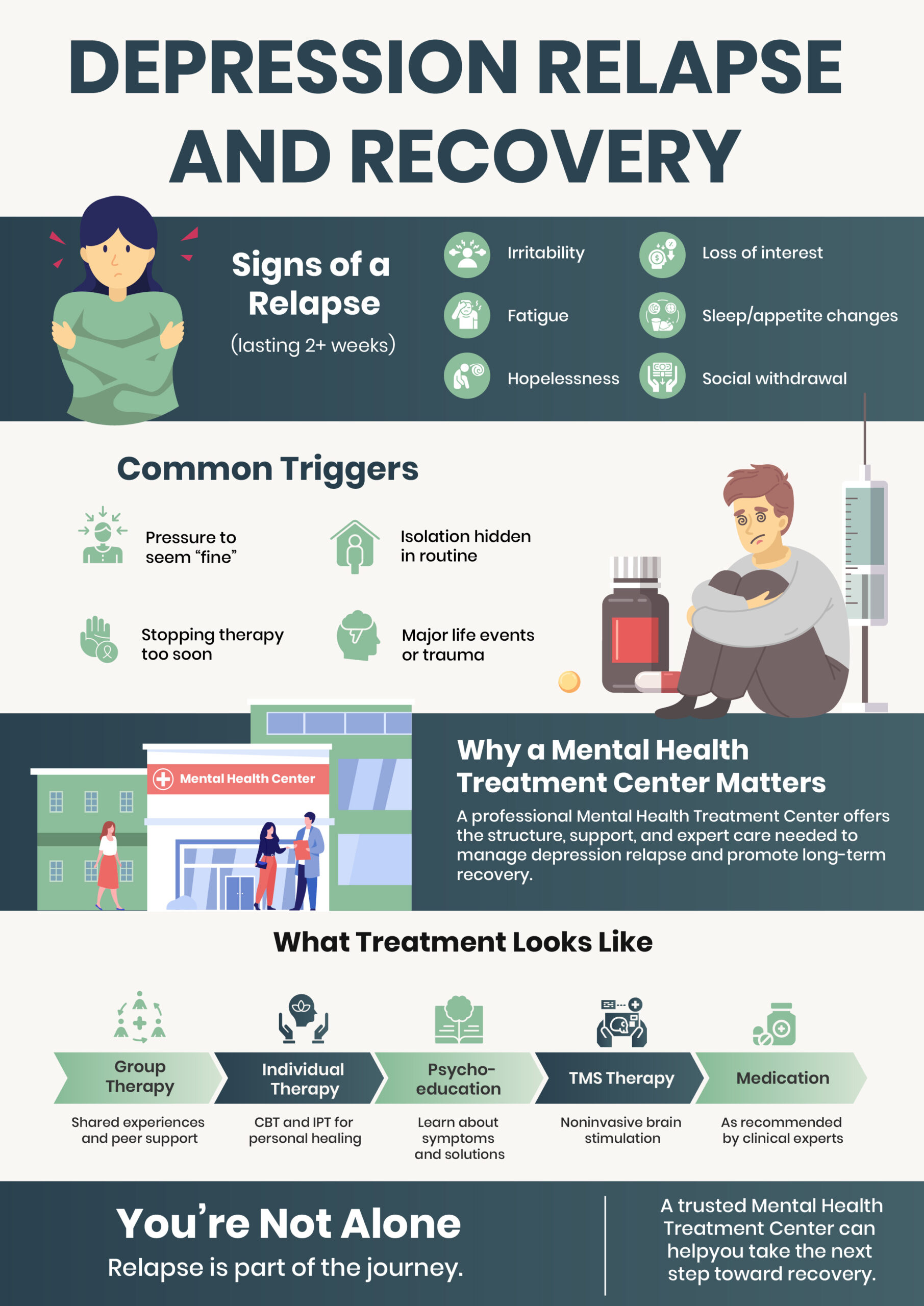
Clinical depression is a serious mental health condition that affects a person’s mood, thought patterns, and brain functioning. You experience sadness or a feeling of emptiness for a long period of time. People lose their interest in activities they once enjoyed and struggle to maintain their basic routine. It also affects sleep disturbances, and there is a change in appetite along with low energy.
Many individuals experience difficulty concentrating while making decisions in their daily lives. There are physical symptoms such as body aches and headaches, along with fatigue. Depression can last for weeks or months and can worsen if not treated properly.
Burnout Vs Depression: Key Differences
Origin
Burnout and depression sometimes feel similar, but they are actually quite different. Burnout usually happens because of external stress, such as long hours at work and constant pressure for responsibilities without enough breaks. You can take a break and set working boundaries, along with changing a routine, which can really help you bounce back.
Depression is a very different medical condition caused by changes in brain chemistry and emotional regulation. It hits every part of your life, from relationships to daily responsibilities and routine. People with depression often feel consistent sadness, hopelessness, and lose interest in almost everything. Depression usually needs professional mental health care, such as therapy or medication.
Emotional Experience
When you are experiencing burnout, you often feel exhausted and drained. You feel a sense of detachment, especially from your work and routine. It leads to frustration and low emotion while dealing with daily activities. There is no hope or will to continue daily life and routine.
How Do They Both Impact?
Both impact distinctly on different areas of your life. Burnout affects those areas that are connected to stress, such as daily responsibilities and common tasks. People struggle with productivity and need motivation to perform in their work and life. But, at the end of the day, their burnout is still manageable.
In contrast, depression affects all areas of your life. It does not stay in one situation. It occupies the overall areas of your life. It includes your relationship and your social life in your daily routine. A person begins to feel like life has no purpose, and even the simple tasks make them anxious and hopeless.
Sleep and Appetite
During burnout, a person experiences stress related to work or responsibilities. It is a temporary state, but individuals may lose their appetite and skip meals even on busy days.
They struggle to fall asleep because their mind is still focused on stress. However, these changes are usually short-term and managed.
In depression, there are huge changes in a person’s sleep and appetite. A person may experience ongoing insomnia or sleep excessively with a significant loss of appetite or overeating. These symptoms usually do not improve on their own and often require proper treatment through therapy in Salem, NH.
“Burnout needs rest, but depression needs care.”
How Are Burnout And Depression Treated In Salem, Nh?
Primary Care Evaluation
When people find the solution to their confusion that they are dealing with burnout or depression then first thing recommended is speaking with a mental health professional. A mental health expert in Salem, NH take your assessment and recognizes the symptoms and physical health conditions. After that, they determine what you are actually experiencing.
Therapy and Counseling
For managing both conditions, you must consult a therapist, who will help you create a balance in your emotions.
For Burnout: Therapy helps to managing on stress and set boundaries while improving work-life balance and coping strategies.
For Depression: The treatment includes specialized therapies such as Cognitive Behavioral Therapy (CBT) and trauma-informed therapy, along with evidence-based approaches. It works on mood patterns and negative thought cycles.
Psychiatric Support and Medication
If you are experiencing moderate to severe depression, then psychiatric care may be necessary for you, including antidepressants. These medications are prescribed with a specific duration and dosage limit. If you are experiencing burnout, then it does not require medication unless it transforms into clinical depression.
Outpatient and Structured Programs
People who have severe depression or their continuous burnout leads them to depression then individuals benefit from structured outpatient programs. It provides therapy, group sessions, and mental health education. These programs offer additional support while allowing you to continue to stay at home.
“Burnout needs a break and depression needs proper treatment.”
Bounce Back to Life
Burnout and depression might seem similar, but having totally different symptoms and treatments in Salem, NH. If you are overloaded with work stress and you are experiencing burnout, it is essential to seek treatment or a break.
If you are feeling low and hopeless, then there is depression; it is a clinical condition, and it is treated by a mental health expert. The treatment follows evidence-based therapies and medication for balancing emotions and stability. Spotting the difference between them is important so that you can get the exact treatment.
If you are confused about whether you are experiencing burnout or depression, consider reaching out to a licensed mental health professional. You can book an appointment from Clover Behavioral Health for a proper evaluation.