
How Can Dual Diagnosis Treatment in Massachusetts Help You Heal
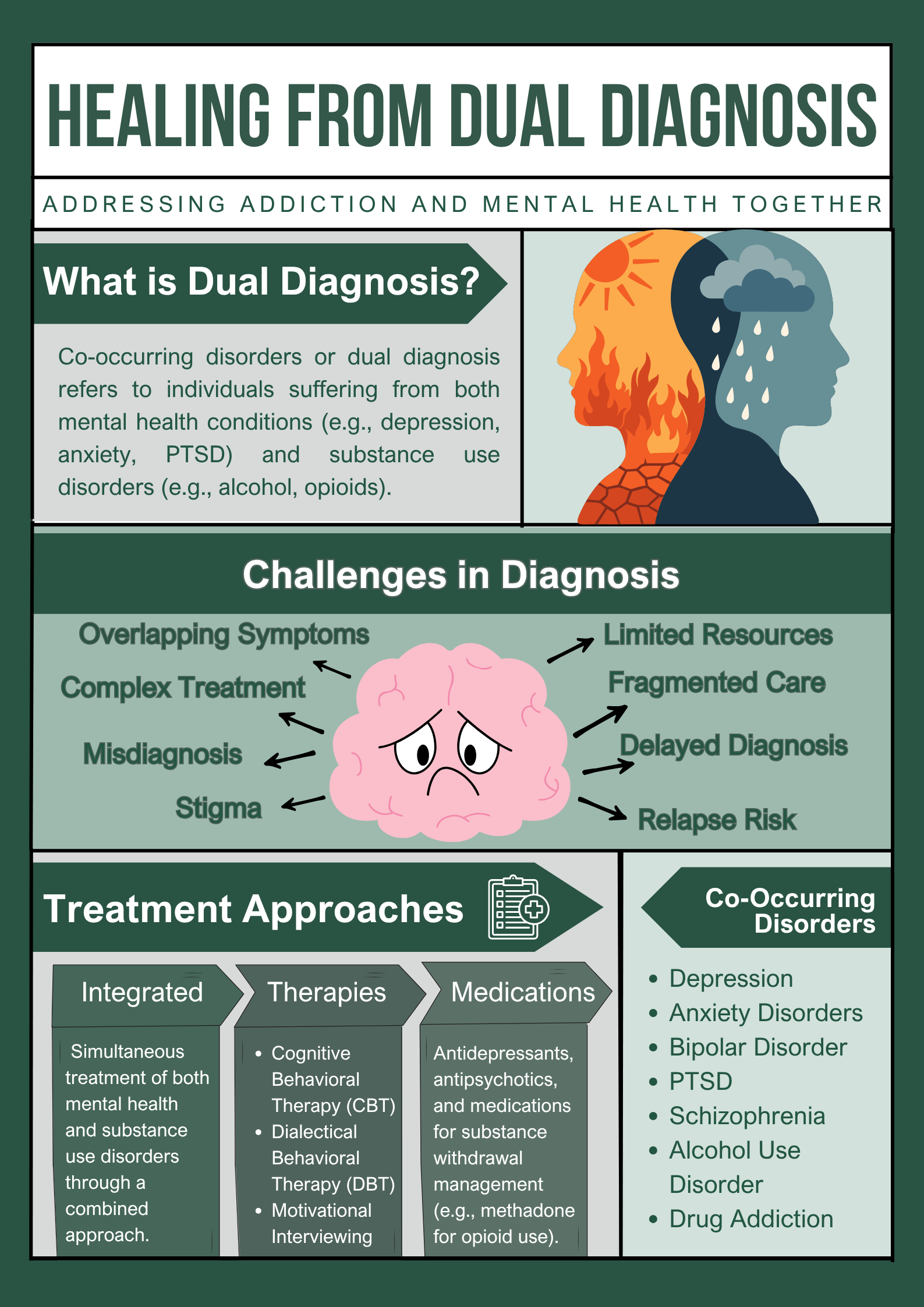
SAMHSA reports that mental health and addiction are not two separate issues for around 21.2 million people in the US. It simply means that these people face mental health struggles and substance addiction(s) side by side.
And not many people realize that these two issues are deeply connected. For example, anxiety, depression, or trauma may push people toward substances to cope or just to get through the day. But then, the substance use makes those mental health struggles worse and results in the person using more.
This exhausting cycle continues sometimes even after treatment because only one piece of the problem is addressed. Therefore, we need treatment plans to thoroughly fix the situation, and a dual diagnosis treatment in Massachusetts does exactly that.
This article explains how a co-occurring disorder treatment in MA can make a better, more controlled life a reality for thousands. If you’re skeptical about how two things can be worked out simultaneously, keep reading.
Dual Diagnosis Treatment in Massachusetts is Different From Standard Care
Dual diagnosis treatment in Massachusetts recognizes that mental health and substance abuse are often connected, and for lasting recovery, both conditions should be understood and treated together.
Treating mental health and addiction separately can mean two different providers working without a full picture, and that gap in care will surely impact the results.
On the other hand, when these two concerns are addressed together, the care team can see the cause-and-effect aspect more clearly. For instance, they can determine whether the anxiety is causing someone to drink or if their drug use has been covering up an undiagnosed depression.
Eventually, such clarity changes the quality of care and targets the real source of the problem, not just what’s on the surface.
Dual Diagnosis Treatment in Massachusetts is Structured for Sustainable Improvement
Concerns regarding mental health and addiction in MA are rising because of increased stressors. Therefore, treatment centers in the state, including Clover Behavioral Health, aim to normalize dual diagnosis treatment in Massachusetts. These places want people to take mental health or addiction recovery just like any other health concern, without any stigma or burden attached.
That said, a notable benefit of co-occurring disorder treatment in MA is that it’s meant to bring a gradual change. Instead of feeling pressured, you’re familiarized with the treatment step by step for sustainable results.
Here is how the standard process of dual diagnosis treatment in Massachusetts looks:
1. Proper Assessment
The first step of dual diagnosis treatment in Massachusetts is a proper assessment. The clinicians evaluate your mental health and your substance use history to determine things such as when the symptoms started, their duration, and how the two conditions have been affecting each other.
A thorough evaluation is crucial because conditions like depression and PTSD can look very different in someone who is also using substances. If a careful and combined evaluation is not in the picture, it is easy to misdiagnose one or miss it entirely.
Also, the initial assessment helps identify which condition came first, as that often shapes the entire direction of treatment. It’s also worth mentioning that Clover Behavioral Health makes a confidential assessment possible, where you can discuss your situation in complete privacy to decide how to move forward. No pressure or convincing attached to that first call we have with you.
2. Therapy and Counseling
Once the care team understands your problems, therapy becomes the core of the dual diagnosis treatment in Massachusetts. Evidence-based methods make deeper healing possible. For example, CBT can help identify the thought patterns and behavioral cycles that keep pulling you back toward substance use or deepen your mental health struggles.
Similarly, DBT is particularly useful for people who experience intense emotions and have been using substances to manage them. Or if someone’s addiction or mental health condition is rooted in past trauma, trauma-informed therapy provides a safe way to process those experiences without feeling overwhelmed.
3. Medication-Assisted Support
In the presence of a co-occurring disorder, one’s mental health side can make it extremely difficult to engage with therapy or maintain any stability in recovery. That’s when the right medication (carefully prescribed and monitored by clinicians) can bring enough balance to allow the treatment to take hold.
If one is fighting an addiction, certain medications can reduce cravings and help manage withdrawal symptoms. These meds also lower the risk of relapse and make proper recovery possible.
When these medicines are combined with therapy and mental health support, they become part of a broader and more complete care plan.
However, the medication in dual diagnosis treatment should always be used with clinical oversight and adjusted based on how the patient is responding. Also, never consider medicines a replacement for the therapeutic work because a dual diagnosis treatment in Massachusetts gives equal weightage to both.
4. A Support System
Recovery does not happen in isolation, and a co-occurring disorder treatment in MA is built around that reality. For instance, group therapy is its core part because being around those dealing with the same combination of struggles makes you feel like you’re not alone.
That shared experience creates openness, which is hard to find anywhere else, and such an environment alone can shift something in a person.
Moreover, family involvement matters during this treatment just as much because addiction and mental health struggles affect the people closest to you. That’s why bringing family into the process, where appropriate, helps rebuild trust and creates a support system that continues even after you have completed the treatment.
You Don’t Have to Fight Your Mind and Addiction Separately
Clover Behavioral Health makes sure that you don’t carry more burden than you can manage, and a compassionate team is there to fix your problems. Sure, mental health and addiction in MA are affecting millions, but the treatments are quickly catching up. If you want to get over an addiction or want to improve your mental health, call us at 978-216-7765, and let’s find a way out.