
The Continuum of Care: How Long Should You Stay in a Mental Health Program? (Salem, NH Guide)
New Englanders are known for practicality. When we identify a problem, we want a clear timeline. However, when dealing with severe anxiety or trauma, the nervous system simply does not heal on a corporate schedule.
This desire for a quick fix leads nearly half of all adults to prematurely leave treatment, only to face a devastating relapse because foundational work was rushed.
Clover Behavioral Health offers a sustainable, phased alternative in Salem. We shift the focus from a rushed finish line to a lasting transformation. If you are wondering how long you should stay in a mental health program, our guide breaks down the true continuum of care. Read on to find out how.
Escaping the “30-Day Cure” Myth
The behavioral health industry has long been dominated by the idea of a thirty-day cure. We must actively dismantle this highly pervasive and damaging concept.
Healing the human mind is a complex biological process that requires strategic pacing, not a standardized stopwatch.
The Danger of Arbitrary Timelines
Originally, the 30-day treatment timeline for mental health recovery was created decades ago simply for administrative convenience. It was neither clinically validated nor suggested by clinicians.
Telling a patient they can be healed from a complex mental health condition within exactly one month isn’t just unrealistic, it is a misconception that sets them up for inevitable disappointment and can have serious long-term consequences.
Rushing trauma-informed care or compressing Dialectical Behavior Therapy skill acquisition into a few short weeks is highly ineffective. When treatment is rushed, it gets botched. People get sent home before they’re ready and find themselves back in a crisis almost immediately.
The simple fact is, healing isn’t a race. It’s about taking the time to work through the hard stuff at a pace your mind can tolerate, and your body can actually handle. If you try to build a new life on a shaky foundation, it’s always going to feel fragile.
Customized Healing Paces
At Clover Behavioral Health, we operate on a fundamentally different clinical philosophy. We treat the individual, not the calendar. We believe that placing an arbitrary expiration date on your recovery creates unnecessary pressure and sets you up for failure.
Your length of stay in our programs is dictated entirely by your actual clinical progress, your demonstrated emotional stability, and the severity of the underlying trauma you are working to resolve.
Your path isn’t going to look like anyone else’s. Whether you’re unearthing long-term family issues or just trying to manage a work-life crisis, the pace has to fit your situation. We work alongside you to track your progress and pivot whenever we need to. It’s about finding that balance where you’re making real strides but still feel like you can keep your head above water.
The Phased Approach to Stabilization
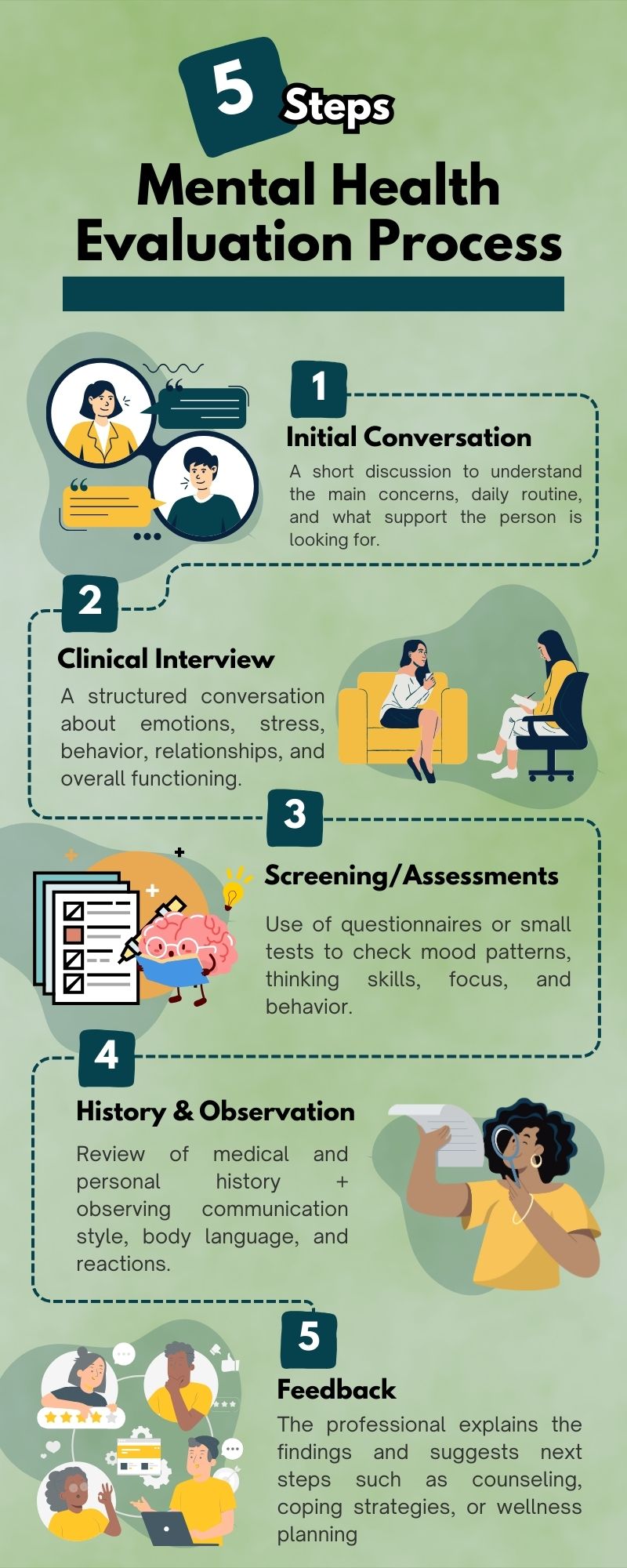
The journey to lasting wellness is rarely a straight line. It is a carefully managed series of transitions. We utilize a phased approach to ensure you receive the exact right amount of support at the exact right time in your recovery journey.
Phase 1: The PHP Deep Dive
The first step is simply about finding your footing again. Our Partial Hospitalization Program (PHP) acts as a high-support starting point. It usually takes a few weeks, but the exact timing really depends on what you’re going through right now.
PHP is an immersive, full-time commitment focused heavily on immediate crisis management and nervous system regulation. Clients attend comprehensive therapy sessions up to five days a week, receiving the clinical rigor of an inpatient stay while retaining the comfort and dignity of returning to their own homes in New Hampshire every evening.
During this deep dive, our primary goal is to lower your baseline cortisol levels safely. We work to remove you from immediate environmental stressors and provide a highly structured sanctuary where you can begin to go deep and unpack the root causes of your distress with a dedicated team of psychiatric and clinical experts. It is a period of intense biological and psychological recalibration.
Phase 2: The IOP Bridge
When you’re finally out of ‘survival mode,’ it’s time to start easing back into your normal routine. Intensive Outpatient Programs (IOPs) are designed to be that bridge. Not as demanding as PHP, but still deep enough to make sure you’re not left high and dry. Just steady support while you find your footing. This intentional reduction in hours allows individuals to slowly reintegrate into their part-time work schedules, university classes, or family duties.
The true clinical value of the IOP bridge is that it allows clients to actively test their newly acquired coping skills in the unpredictable reality of the outside world while still having a robust clinical safety net to catch them.
If a highly difficult interaction occurs at work on a Tuesday, you bring that challenge directly back to your IOP group on Wednesday morning for immediate processing and refinement. This prevents small setbacks from turning into massive relapses.
Measuring Progress Beyond the Calendar
To truly understand how long you should stay in a treatment program, we must completely redefine how we measure clinical success. True recovery is measured by internal resilience, not external timelines.
Defining Clinical Milestones
We educate our Salem families that true progress is never measured by simply checking off days on a calendar. Furthermore, progress is not just about subjectively feeling better in the moment. We look for concrete, demonstrated clinical milestones before recommending a step down in care.
We evaluate your active distress tolerance when faced with an unexpected trigger. We measure your ability to self-soothe during a panic attack without resorting to destructive habits or chemical numbing agents.
We also look for marked improvements in your interpersonal effectiveness, such as your ability to communicate boundaries clearly and calmly to your colleagues and loved ones. Achieving these tangible, behavioral milestones indicates that your brain is genuinely rewiring itself for long-term resilience.
The Role of Family Education
Individual progress can easily be derailed if the patient returns to a household that has not evolved alongside them. We highly prioritize the family system in our continuum of care to prevent this exact scenario. Our family education programs run concurrently with the client’s individual treatment.
We ensure that spouses, parents, and partners are actively learning the same things. We give them the same terminology and understanding of psychological principles as their loved one in treatment. We teach families about the complex neuroscience underlying the issue and arm them with tools that foster a supportive, peaceful home environment.
By ensuring the home environment is educated and prepared whenever the client transitions to a lower level of care, we dramatically reduce the friction and conflict that often cause early relapses.
Lifelong Tools for the Granite State
The most successful recoveries treat mental wellness as an ongoing, lifelong practice rather than a temporary project to be completed and forgotten.
The Outpatient Maintenance Phase
The last step is all about staying on track. Moving into regular outpatient sessions gives you the ongoing support you need to keep your progress from slipping. This usually just involves meeting with a therapist or a support group every week or two to check in on how you’re handling the day-to-day stressors of real life.
It is designed to keep your foundation strong, address the everyday stressors of life in the Granite State, and help you continuously refine the tools you learned in higher levels of care.
Outpatient maintenance ensures you stay connected to your clinical community. It proves that true recovery is a sustainable lifestyle, giving you the permanent tools required to navigate whatever challenges the future may hold.
Build a Sustainable Recovery Plan
Stop watching the clock and start focusing on genuine healing. Let our compassionate team assess your unique situation and build a realistic, sustainable timeline for your recovery.
We work tirelessly to maximize your coverage duration by partnering closely with major providers like Blue Cross Blue Shield, Harvard Pilgrim, Tufts, Cigna, and Aetna. We handle the logistical hurdles so you can focus entirely on your health.
Contact us today to take the next step. Visit cloverbehavioralhealth.com or call our Salem, NH team at (603) 207-8696.