
How to Choose an IOP Program in Salem, NH (Without Getting It Wrong)
The Japanese have an old folk story concerning a man who falls into a river and holds on to the first branch he can reach. He holds on. The water rushes past him. He is neither drowning nor going anywhere. He is simply holding. Days pass. Villagers present on the bank shout at him and inquire why he does not swim ashore. “I can’t let go,” he says. “This branch is all I have to stay alive.”
What nobody mentions in the polite version of the story is how long he held on before someone finally waded in and showed him the current was only three feet deep. That he could have stood up at any point. That the branch was real, and his fear was real, but the danger he imagined was not.
A lot of people arrive at the decision to look into Intensive Outpatient Programs the way that man finally let go of the branch. Not gracefully. Not on a clear Tuesday morning with a plan and a support system and a good night’s sleep behind them. They arrive exhausted. They arrive after months or years of holding on to something that was keeping them just above water but never getting them to shore.
And then they have to choose a program. In a city they may not know well, from a list of options that all use the same reassuring language, all promise evidence-based care and compassionate staff, and all offer individualized treatment. All of them sound fine. None of them tell you what matters.
This is what truly matters.
Make Sure the Program Is Built for You
This sounds obvious. It isn’t. Many IOPs are high-volume facilities that started as addiction treatment centers and expanded into mental health. Some run large groups with rotating staff. Some are primarily designed around court-mandated clients and have quietly retrofitted their intake process for voluntary adults.
None of that makes them bad. It might make them wrong for you.
Before you commit to anything, ask directly: Who makes up most of your clients? A good program will answer that question without hesitation. If the answer is vague, like “we treat a wide range of people,” push a little harder. You are not a wide range. You are a specific person with a specific situation, and the program you choose should be able to tell you, clearly, whether they regularly treat people like you.
The red flag here isn’t any particular answer. It’s evasiveness. A program that can’t describe its own population probably hasn’t thought carefully enough about whether you belong in it.
Credentials Are Not a Formality
Licensing and accreditation are the least romantic parts of choosing a mental health program, and also some of the most important. Outpatient mental health programs in New Hampshire are to be licensed by the state. CARF or The Joint Commission accreditation implies that the program has been assessed by an external agency in terms of clinical and operational standards.
In a more realistic way: inquire as to who is managing the groups. Not the name of the clinical director on the site. Who will be in the room with you for several weeks? Are they licensed clinicians (LPCs, LCSWs, LMFTs)? Or simply unlicensed counselors working under supervision?
“Evidence-Based” Should Mean Something Specific
Every IOP in the country will tell you they use evidence-based treatment. Ask them to be specific.
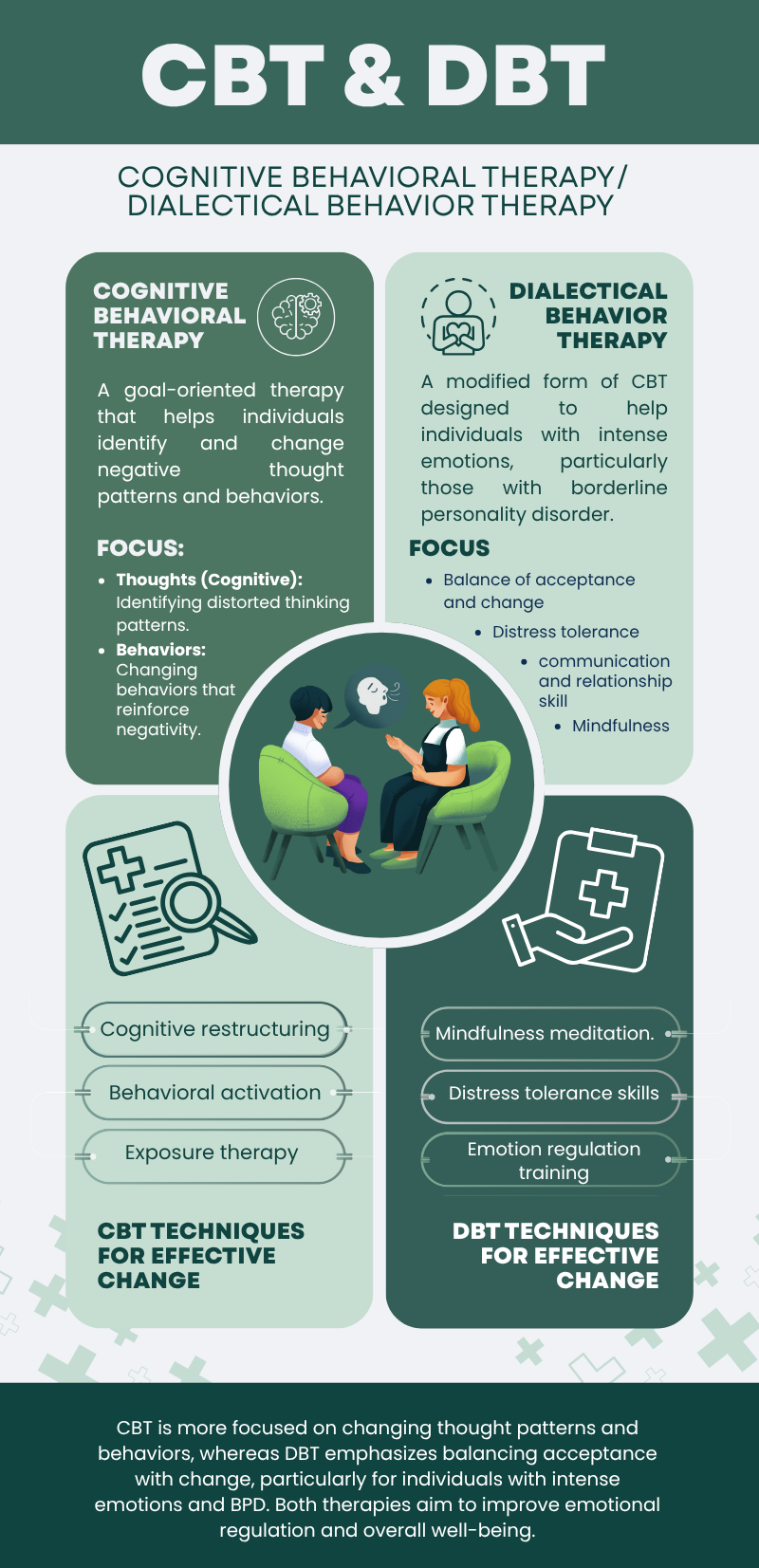
Which modalities do you use? How is CBT structured in your groups? Do you offer DBT skills training? How do you approach trauma?
A program with genuine clinical depth will answer these questions easily, maybe even enthusiastically. A program running generic process groups dressed up in clinical language will get slippery.
CBT, DBT, and trauma-informed care are not sales terms. They are precise, systematic strategies whose research is decades old. When they are listed on the program website, and their personnel are unable to explain the way they are actually applied at the time the sessions are being conducted, the website is doing some work that the program is not doing.
The Schedule Question Is Not a Logistics Question
It is a clinical question. A program you cannot attend regularly is a program that will never be of assistance to you.
Inquire about the time of sessions and days of the week, how long the session is, and what would happen in case of missing. Is it easy to get to Salem or park there in case of commuting? What makes up the groups, because morning sessions usually attract a different group of people than evening ones, and that counts as far as fit is concerned.
The red flag: a program that makes you think you need to worry less about your schedule, that the vast majority of people manage to make it work out, or that the program is urging you to buy before you have ascertained that the schedule is really workable. Treatment is not something to squeeze in. Without solid logistics, the clinical work does not get a fair chance.
Ask Directly About Co-Occurring Disorders
This is the question most people forget, and it is frequently the most important one.
The majority of people who walk into an IOP are not dealing with one clean, discrete issue. They are dealing with depression and a drinking habit that’s gotten out of hand. Anxiety and a trauma history that nobody has ever really addressed. Substance use and the grief underneath it that started the whole thing.
If you need integrated treatment, make sure that’s what you’re getting, not a politely bifurcated version of it.
Aftercare Is the Part That Determines Whether Any of This Sticks
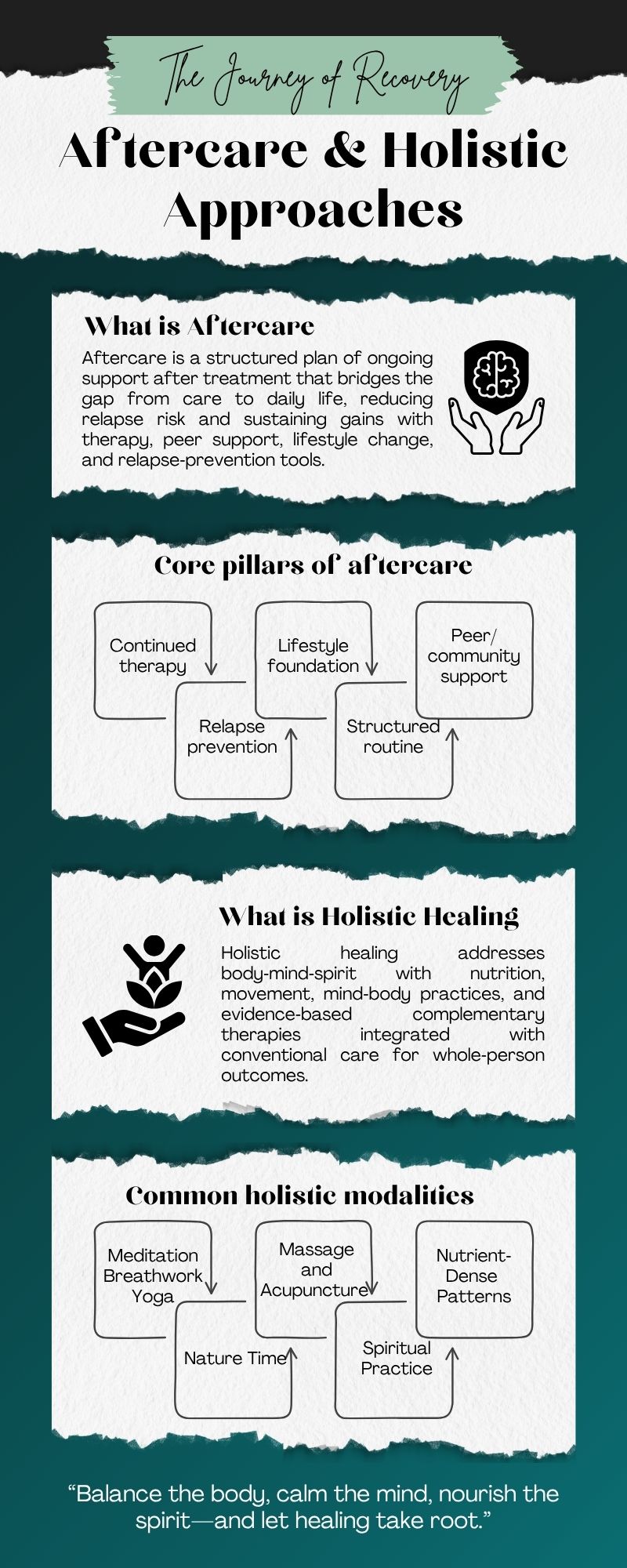
IOP is not the destination. It is concentrated support at a point in time, designed to give you enough ground under your feet that you can keep walking when the intensity steps down.
A serious program will talk about aftercare before you’ve even enrolled. They will have a step-down structure: from IOP to standard outpatient therapy to whatever ongoing support fits your life. They will connect you with resources in Salem and the surrounding area. They will have some kind of plan for what happens at the end.
If a program’s discharge planning feels vague. If the answer to “what happens after IOP?” is some version of “we’ll figure that out when you get there.” That is a program that hasn’t thought carefully about your long-term outcome. Only your enrollment.
Final Words
Choosing an IOP when you’re already exhausted, already a little ashamed of needing this level of help, and already hoping nobody notices you’re doing it? That is genuinely hard. The research alone can feel like too much.
At Clover Behavioral Health, we try to make the first conversation easy. Ask us anything on this list. We’ll give you straight answers, and if we’re not the right fit for what you’re dealing with, we’ll tell you that too. You’ve already done the hard part by deciding to look. The rest should be a little easier than holding onto a branch in three-foot water.