

How to Know If You Need More Than Weekly Therapy in Salem, NH
Salem, NH is popular for being home to an extensive range of mental health therapy options. The 45 to 60 minute weekly session system offers people struggling with anxiety, depression, trauma, and everyday stress with both the compulsory structure and essential support to achieve their progress goals.
According to the SAMHSA treatment types overview, outpatient care ranges from weekly therapy to more intensive programs like IOP and PHP designed for higher-needs patients. The weekly therapy sessions are found to be effective with many people, but they might not be effective in treating all people.
Patients requiring more than normal outpatient treatment are advised to seek assistance when their conditions deteriorate, when they receive a series of crises, or when they cannot manage their functions in their daily life.
These needs should also be identified early since early access to the appropriate level of care will ease the treatment process and avoid the development of complications.
The Meaning of More Than Weekly Therapy
In Salem, New Hampshire, therapy programs range from the traditional weekly therapy sessions to the more intensive treatment programs.
Standard Outpatient Therapy
- One session per week, lasting 45 to 60 minutes.
- Best used when pain is mild to moderate.
- Gives organization and frequent assistance to work on personal objectives.
Twice Weekly Therapy
- Two sessions per week.
- Prescribed in case of increased symptoms or trauma recovery.
- Provides extra support to avoid emotional distress.
Intensive Outpatient Program (IOP)
Intensive programs such as IOP and PHP are detailed on SAMHSA’s official site as:
- 3-5 days per week, 3 hours per day.
- Delivers between 9 and 15 hours of structured treatment on a weekly basis, involving an individual and a group session.
- Provides care to patients with moderate to severe symptoms.
Partial Hospitalization Program (PHP)
- Five days per week, 5 to 6 hours per day.
- Includes observed mental health care and medical care.
- Frequently used as a follow-up to the inpatient treatment to carry on with the recovery in a formalized environment.
The appropriate measure of treatment is determined by three important aspects that include the severity of the symptoms, the degree of the safety risks, and the patient’s capacity to handle daily engagements.
Top 5 Signs You May Need More Than Weekly Therapy
1. Worsening Anxiety or Depression
The additional therapy sessions are needed in case of the increased number of panic attacks and constant hopelessness, insomnia, decreased energy, or deterioration in performance at work or school.
Having people from a small supportive circle of friends or family to enhance the level of intervention so that the evaluator could push for healing might help the person finally secure the treatment they deserve.
2. Suicidal Ideation or Self-Injury.
In the process of an active crisis, therapy on a weekly basis may not be adequate.
Individuals with suicidal thoughts or wishes to harm themselves need to receive intensive care under IOP or PHP programs, in which case the highest priority should be according to safety.
3. Recovery After Trauma is Exhausting
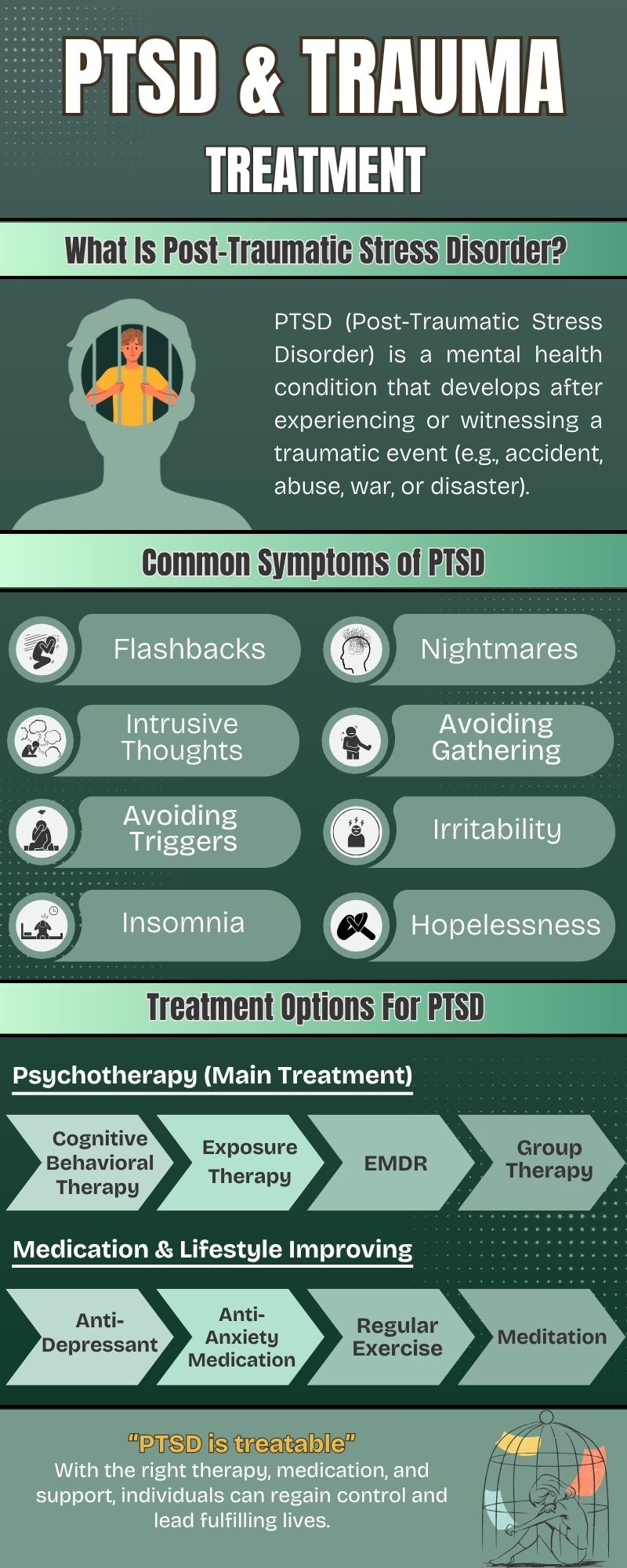
During the course of treatment, the human’s feeling may change often because the primary issue has not been fully addressed. The combination of EMDR and trauma-focused CBT can be used to treat trauma.
Nevertheless, the individual might experience problems with emotions, particularly between therapy sessions. Some signs may show that the person needs therapy more often, such as:
- Overpowering opinions and a lot of flashbacks.
- Visions or sleep disturbances.
- Sensitive flooding or dissociation.
The solution may be adding additional sessions per week or switching to an intensive program that will allow stabilizing emotions and offering the required structure to recover from traumas.
4. Increasing Substance Use
People who increase their drug or alcohol consumption need more than weekly counseling to achieve permanent recovery.
The intensive programs in Salem, NH, deliver people group and individual therapy to help them manage their cravings while preventing relapse and achieving their recovery objectives.The frequency may need to be increased in case:
- There are repeated relapses during recovery.
- Drugs are consumed on several days of the week.
- Daily life is disrupted by withdrawal symptoms or cravings.
5. Struggling Between Sessions
In case you think that you are barely making it to the next appointment, it means that you might require more frequent therapy. Warning signs include:
- Frequent mood swings.
- Excessive crises or phone calls to therapists.
- Difficulty handling tasks individually.
Therapy is meant to support long-term stability, not just offer a weekly lifeline.
Therapy Options in Salem, NH
Residents of Salem have access to several stages of care:
- Outpatient Therapy: Weekly or twice-weekly sessions for mild to moderate anxiety.
- Intensive Outpatient Programs (IOP): 3 to 5 days per week, offering 9 to 15 hours of therapy.
- Partial Hospitalization Programs (PHP): 5 days/ week, 5 to 6 hours/day, with psychiatric follow-up and medical assistance.
The level of care that is considered to be appropriate depends on the severity of the symptoms, risks to the safety of the patient, and what the treatment aims to achieve.
Cost of Therapy in Salem, NH
Here’s a general estimate of private-pay costs:
Therapy Type | Estimated Cost |
Weekly Therapy | $120 to $200 per session ($480 to $800/month) |
Twice-Weekly Therapy | $240 to $400/week ($960 to $1,600/month) |
Intensive Outpatient (IOP) | $250 to $500/day ($3,000 to $6,000/month for 3 days/week) |
Partial Hospitalization (PHP) | $350 to $800/day ($7,000 to $15,000/month) |
Actual costs depend on factors such as your doctor’s experience, the type of facility you choose, and what your insurance covers.
Insurance Coverage
The federal parity laws in New Hampshire mandate the majority of the leading insurance companies to provide mental health care. Common insurance types include:
- PPO or HMO plans provided by employers.
- ACA Marketplace plans.
- Medicaid (NH Healthy Families)
- Medicare
Insurance Typically Covers:
- Weekly therapy copays.
- Twice weekly therapy if medically necessary.
- Prior authorization IOP and PHP programs.
Out-of-pocket fees can be copays ($20 to $50/session), deductibles ($1,000 to $3,000/year), and coinsurance (10 to 30 percent)
Deciding If You Need More Support
Ask yourself:
- Am I functioning securely and successfully each day?
- Are my symptoms improving or staying stable?
- Am I emotionally in control between sessions?
- Can I cope without extra structure or support?
If you answered “Yes” to these questions, you are likely making great progress with your current therapy.
However, if you feel unsupported between appointments or find it hard to manage your symptoms alone, weekly therapy might not be enough. You may benefit from more frequent sessions to provide the stability and guidance you need.
In Salem, NH, you can request a licensed therapist with Clover Behavioral Health to help restructure your treatment plan. Together, we can find the right level of care to support your long-term recovery.