

A Teen’s Path to Recovery: How a Substance Abuse Intensive Outpatient Program in New Salem Helped a Family
Most parents think that substance use often comes with obvious warning signs or dramatic moments. However, the truth is that it starts quietly. Small changes build over time, and it’s hard to know when concern should turn into action.
When it comes to New Hampshire, research shows that it ranks 32nd for substance abuse, with 7.7% of kids ages 12 to 17 using illicit drugs in a month.
This brings us to the story of Jesse, a teenager from New Salem, NH. His journey shows what many families go through when substance use becomes part of daily life. It also highlights how a substance abuse intensive outpatient program in New Salem can help a teen get back to a normal life.
When Something Started to Feel Off
Jesse had always been an active student. He wasn’t perfect, but he kept up with school, spent time with friends, and participated in activities. Over time, his parents began noticing some changes in him.
- He became more withdrawn at home
- His mood shifted quickly, and small conversations turned tense
- He started staying up late and sleeping through alarms
- He lost interest in things he once enjoyed
His teachers mentioned missed assignments and declining grades.
When Substance Use Became Clear
The turning point came when Jesse’s parents found evidence of substance use. At first, Jesse brushed it off as experimentation. But conversations revealed it was happening more often than they realized.
Arguments became frequent, and trust broke down. Jesse grew defensive, while his parents felt scared and unsure how to respond without pushing him further away.
They realized this wasn’t something they could handle on their own.
Why Did Jesse Turn to Substances?
Before jumping into treatment, it became important to understand why Jesse was using substances.
Through discussions and initial assessments, we identified several key factors:
- Ongoing anxiety around school performance
- Pressure to fit in socially
- Difficulty managing stress and strong emotions
- Feeling overwhelmed but unsure how to ask for help
Substances had become a way to escape discomfort, quiet anxiety, and feel some control, at least temporarily.
Reaching Out to Clover Behavioral Health
Making the call was one of the hardest steps for Jesse’s parents. They worried about labels, disruption to school, and whether treatment would make things worse.
When they reached out to Clover Behavioral Health, the process felt calmer than expected. Our team listened, asked thoughtful questions, and focused on understanding Jesse as a whole person, not just his substance use.
After a thorough assessment, we recommended the Substance Use Disorder Intensive Outpatient Program.
Why Substance Abuse Intensive Outpatient Program?
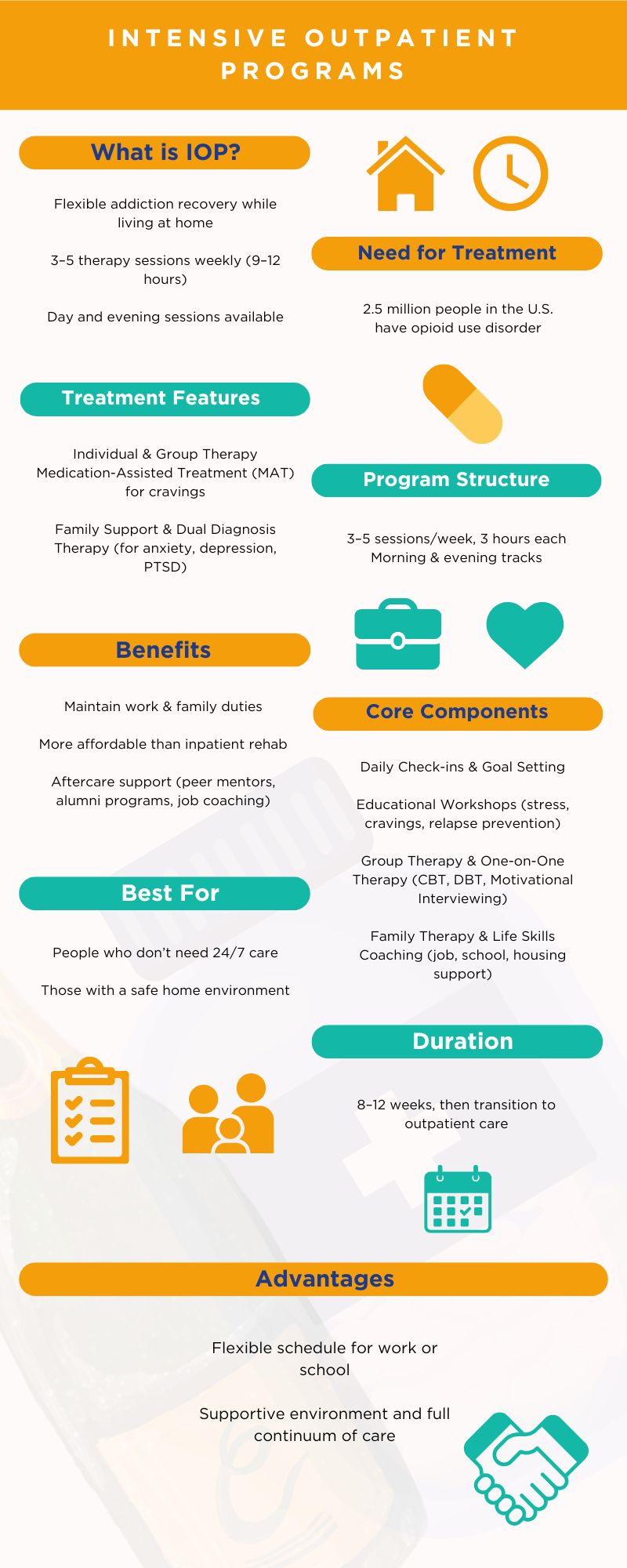
Jesse didn’t need inpatient care, but weekly therapy alone wasn’t enough. IOP offered a middle ground that made sense for his situation.
The program allowed him to:
- Continue attending school
- Live at home
- Receive proper support several days per week
- Focus on substance use and emotional challenges together
For the family, it felt like the right balance.
What The IOP Process Looked Like Week by Week?
A teen substance abuse intensive outpatient program in New Salem usually runs 8 to 12 weeks, with multiple sessions each week. Jesse’s experience followed a similar timeline.
Week 1: Getting Oriented and Building Safety
The first week focused on helping Jesse feel comfortable. There was no pressure to share everything at once. The goal was safety, routine, and understanding expectations.
This helped Jesse feel less defensive and more willing to engage without feeling forced.
Weeks 2 – 3: Identifying Triggers and Patterns
Jesse began identifying what situations and emotions increased his urge to use substances. He learned how stress, anxiety, and peer pressure affected his choices. As patterns became clearer, Jesse understood how stress and emotions affected his choices outside of sessions.
Weeks 4 – 5: Skill-Building and Coping Strategies
This phase focused on practical tools, like managing cravings, handling stress, and responding to emotions without substances. Jesse practiced during sessions and applied between them. Practicing these skills during the week made them feel more natural when challenges came up at school or home.
Weeks 6 – 7: Family Involvement and Communication
Family sessions helped improve communication at home. Jesse’s parents learned how to set boundaries while staying supportive, and Jesse practiced expressing himself more openly.
Weeks 8 – 9: Strengthening Accountability and Confidence
As Jesse became more consistent, the focus changed to helping him become independent, confident, and responsible for his choices.
Final Weeks: Planning for Ongoing Support
The last phase focused on preparing for life after IOP: continuing therapy, maintaining routines, and recognizing early warning signs of stress.
The Outcome: Growth, Not Perfection
By the end of the substance abuse intensive outpatient program in New Salem, Jesse started showing up to school more consistently, and his grades improved. He went back to the activities he enjoyed. At home, conversations became calmer and more respectful.
Most importantly, Jesse learned how to:
- Manage stress without substances
- Recognize when he needs support
- Make healthier choices under pressure
Looking Forward With More Stability
Jesse continued his outpatient therapy after IOP and stayed engaged in helpful routines. His parents felt more prepared to support him without always worrying.
The family learned that early support can change the course of things, especially when treatment respects a teen’s pace and individuality.
A Final Word for Parents
If you’re noticing changes in your teen and feeling unsure what to do, you’re not overreacting, and you’re not alone. Substance use often develops quietly, and waiting for a crisis isn’t the only option.
Substance abuse intensive outpatient program in New Salem at Clover Behavioral Health are designed to support teens while keeping them connected to school, family, and daily life.
Contact us to talk through your concerns and learn what support might look like for your family.
Sometimes, the right conversation at the right time can change everything!