Transcranial Magnetic Stimulation (TMS) for Depression
When a person gets diagnosed with depression, they’re usually treated using medicines or therapy. However, for many people, the symptoms don’t seem to go away despite trying multiple treatments. This makes them frustrated, exhausted, and unsure about what to do.
The good news is that with Transcranial Magnetic Stimulation (TMS) for depression, there is still hope!
At Clover Behavioral Health, we offer TMS as a modern, non-invasive treatment for depression. This therapy is for people who have not found relief with traditional methods. It works by targeting brain areas that control mood. The best part is that it does not involve medication or surgery.
What Is Transcranial Magnetic Stimulation (TMS) for Depression?
TMS is an FDA-approved treatment for depression. It uses gentle magnetic pulses to stimulate parts of the brain that affect mood, motivation, and emotions.
During a TMS session:
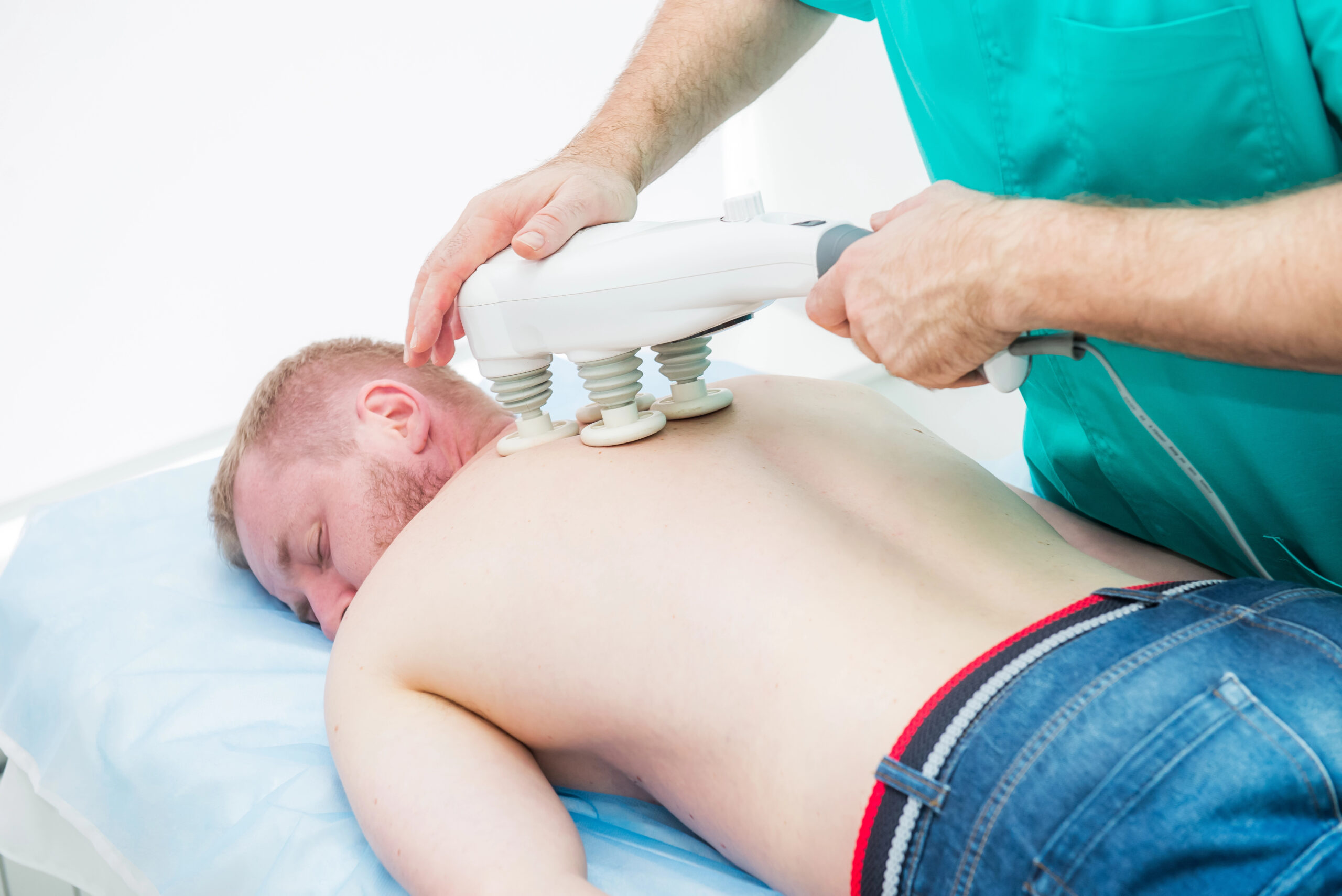
- A specialized device is placed against the scalp
- Magnetic pulses activate underactive brain areas
- Treatment is targeted, precise, and controlled
Unlike medications, TMS works directly on brain activity, not through the bloodstream. That’s why many people consider it when other treatments haven’t worked.
How Does TMS Help With Depression?
Depression often means that some parts of the brain become less active. TMS helps by stimulating these areas, promoting better communication between different parts of the brain.
Over time, this can lead to:
- Improved mood
- Increased energy and motivation
- Clearer thinking
- Reduced depressive symptoms
TMS does not numb your feelings or change who you are; the main goal is to help your brain work better on its own.

Who May Benefit From TMS Therapy?
TMS is commonly recommended for individuals who:
- Have not responded to antidepressant medications
- Experience unwanted medication side effects
- Have tried therapy, but still struggle with symptoms
- Want a non-invasive, medication-free option
Many patients who go for Transcranial Magnetic Stimulation (TMS) for depression do so because they feel stuck. Not because they haven’t tried hard enough, but because their depression needs a different kind of treatment.
Clover Behavioral Health evaluates each person carefully to determine whether TMS is an appropriate option.
What TMS Treatment Is Like?
One of the biggest concerns people have is whether TMS will be uncomfortable or disruptive. However, most are surprised by how manageable the process feels.
During Treatment
- Sessions typically last under an hour
- You remain awake and alert
- No anesthesia or sedation is required
- You can return to daily activities immediately
Sensation
Most people describe the feeling as a light tapping on the scalp. There’s usually no discomfort; however, if someone feels a bit uneasy, it usually fades as sessions continue.
Schedule
TMS involves a series of sessions that help change brain activity gradually and sustainably over time.
TMS vs. Medication for Depression: The Difference
Medications help many people, but they don’t work for everyone. TMS offers an alternative approach.
Here’s how both treatments differ from each other:
TMS Therapy | Antidepressant Medicine |
Non-invasive treatment using magnetic pulses. | Uses medication that affects brain chemistry. |
Targets specific areas of the brain that control the mood. | Affects the whole body through the bloodstream. |
No daily pills required. | Requires daily medication. |
Minimal side effects. | Side effects may include weight gain, fatigue, or nausea. |
You stay awake and alert during treatment. | May cause drowsiness or mental fog. |
No withdrawal symptoms after treatment ends. | Stopping medication can cause withdrawal symptoms. |
Often used when medications don’t work. | It is usually the first line of treatment. |
Sessions are scheduled over several weeks. | Medication may need long-term or ongoing use. |
In short, TMS is a non-invasive treatment that targets specific areas of the brain using magnetic pulses, without daily medication. Antidepressants work through the bloodstream and may cause side effects.
TMS is often chosen when medications haven’t worked or caused unwanted effects.
The Clover Behavioral Health Approach to TMS
At Clover Behavioral Health, TMS is not the same for everyone; it is part of a thoughtful, individualized care process.
Comprehensive Evaluation
Before starting TMS, our licensed therapists carry out a detailed assessment of the patients. This includes their depression history, previous treatments, and current symptoms.
Personalized Treatment Planning
Each TMS plan is tailored to the individual, including precise targeting and session scheduling based on clinical needs.
Integrated Mental Health Care
TMS can be part of a broader treatment plan that includes therapy or psychiatric support when appropriate.
Ongoing Monitoring and Support
We closely monitor the progress throughout treatment and make adjustments as needed to support the best possible outcome.
Is Transcranial Magnetic Stimulation (TMS) for Depression Safe?
TMS is backed by years of research and clinical use. It is FDA-approved and widely recognized as a safe treatment for depression when provided by trained professionals.
At Clover Behavioral Health, we prioritize safety and comfort at every step, from initial consultation through completion of treatment.
When to Consider TMS for Depression?
If depression continues to interfere with your life despite trying traditional treatments, it may be time to explore a different approach.
You don’t have to wait until things get out of hand. Many people pursue TMS because they want:
- Relief that lasts
- Fewer side effects
- A treatment aligned with how the brain actually works
Common Questions About TMS
Q. Will I need to stop my medications?
Not necessarily. The professional usually discusses this on an individual basis.
Q. Can I drive myself to sessions?
TMS does not affect alertness or cognition; therefore, you can easily drive to it.
Q. How soon will I feel results?
Some people notice changes within a few weeks, while others experience gradual improvement over time.
Take the Next Step With Clover Behavioral Health
If you’re struggling with depression and wondering whether TMS could help, Clover Behavioral Health offers expert evaluation and access to this advanced treatment.
Schedule a consultation with Clover Behavioral Health today!
Even learning whether TMS is right for you can bring clarity and hope, without any pressure or commitment!