
A Week-by-Week Look at Dual Diagnosis IOP in New Salem, NH
When people hear dual diagnosis IOP, they often expect something strict or overwhelming. Some even worry it will take over their life. However, the reality is the opposite. IOP for mental health and addiction is designed to support you during a time that already feels uncertain.
For individuals who are managing both mental health challenges and substance use, understanding what dual diagnosis IOP in New Salem, NH, actually looks like week to week can help them make an informed decision.
At Clover Behavioral Health, many people who go for dual diagnosis IOP are unsure of what to expect. What they usually find is not pressure or judgment, but a steady rhythm that helps life feel more manageable again.
Starting Out: The First Week Is About Getting Grounded
The first week of a dual diagnosis IOP is rarely about fixing everything. Instead, it focuses on helping people feel oriented, supported, and less alone.
This initial phase is mostly about:
- Getting familiar with the schedule and structure
- Meeting therapists and peers
- Talking through what’s been going on recently
- Identifying immediate stressors and triggers
For many, this is the first time mental health and substance use are discussed together, rather than as separate issues. That alone can feel like a relief.
What a Week of Dual Diagnosis IOP in New Salem, NH Looks Like?
While schedules can vary, most weeks in a dual diagnosis IOP follow a consistent and predictable routine. This consistency is intentional, as it helps reduce anxiety and creates a sense of stability.
A typical week includes:
Multiple Sessions Spread Across the Week
Instead of one appointment and six days on your own, IOP offers support several times a week. This keeps momentum going and makes it easier to address challenges as they come up.
Group-Based Support
Group sessions enable people to hear from others dealing with similar struggles. This often reduces shame and isolation, especially for those who’ve felt misunderstood in the past.
Focus on Both Mental Health and Addiction
Conversations don’t jump back and forth between mental health days and substance use days. Both are addressed together, because that’s how they show up in real life.
How Mental Health and Addiction Are Addressed Together?
In dual diagnosis IOP, therapy doesn’t treat substance use and mental health as standalone problems. Instead, it looks at how your behavior is connected to your emotions, thoughts, and stress.
Over the course of a week, therapists work with clients on:
Managing Mental Health Symptoms
The sessions focus on anxiety, depression, mood changes, or trauma that are often the reason behind substance use and make recovery harder.
Understanding Emotional Triggers
Clients learn to recognize emotions, situations, or stressors that increase the urge to use substances.
Building Healthier Coping Skills
Instead of relying on substances, people practice new ways to handle stress, discomfort, and emotional overload.
Reducing Relapse Risk
By addressing mental health alongside addiction, the treatment helps lower the chances of slipping back into old patterns.
Creating More Stable Routines
The support focuses on building daily habits that support both emotional well-being and recovery.
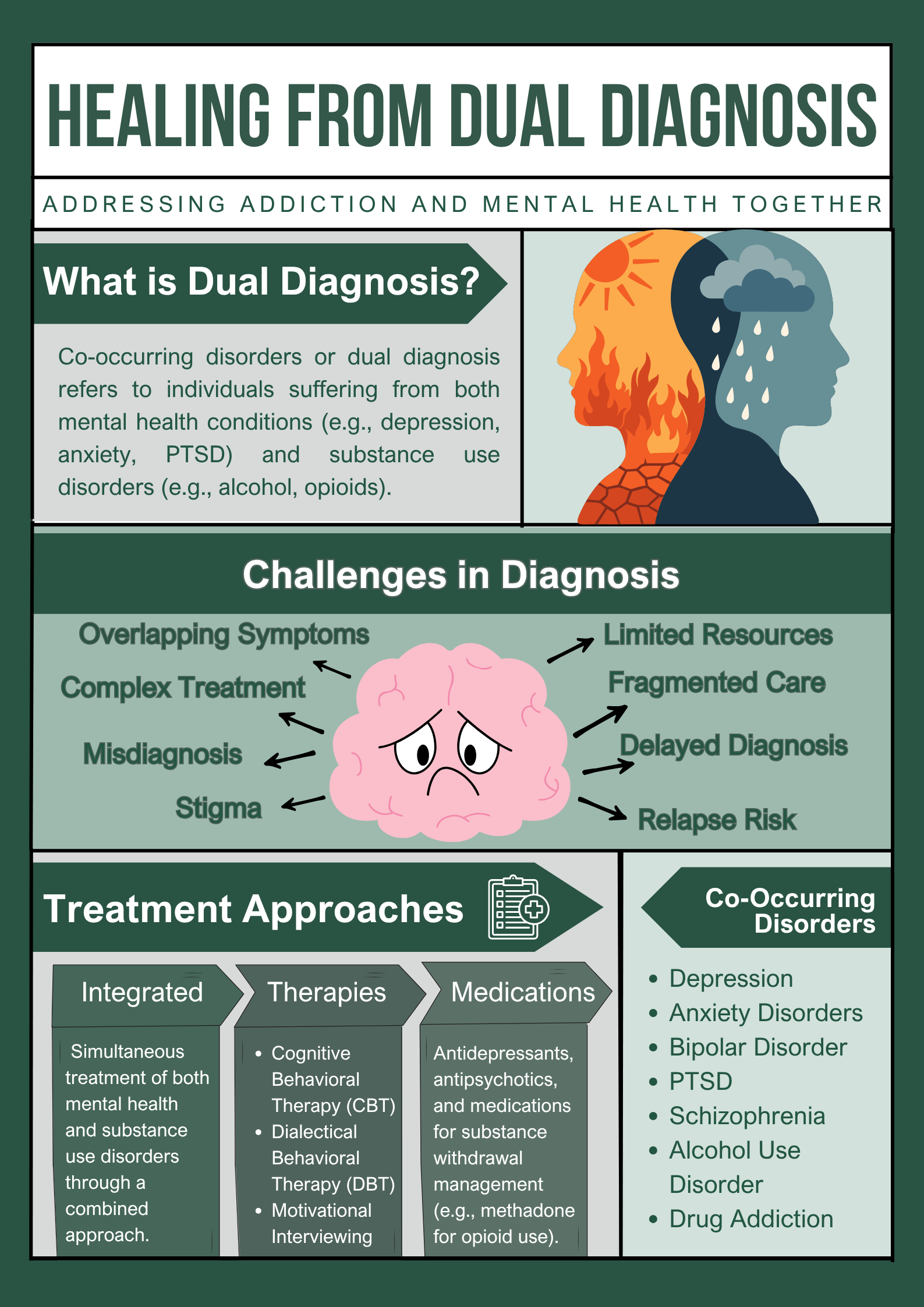
This integrated approach helps progress feel more realistic and sustainable.
Skills You Practice Throughout the Week
One of the biggest differences between weekly therapy and dual diagnosis IOP in New Salem, NH, is repetition. Skills aren’t introduced once and forgotten; they’re practiced, discussed, and revisited.
Common areas of focus include:
- Emotional regulation
- Stress management
- Craving awareness
- Communication and boundaries
- Daily routines and structure
This routine helps keep things from falling apart between appointments.
Balancing IOP With Daily Life
A common concern that people have is whether IOP will interfere with their work, family, or responsibilities. While it does require a time commitment, it’s designed to fit around real life, not the other way round.
At Clover Behavioral Health, dual diagnosis IOP is structured to:
- Allow clients to live at home
- Support ongoing responsibilities when possible
- Help people practice skills in real-world situations
Many people find that having support during the week actually makes daily life easier to manage, not harder.
What Changes Over Time in IOP?
As weeks go on, the focus of the treatment often shifts.
Early weeks are usually about:
- Stabilizing symptoms
- Reducing crisis-level stress
- Building basic coping tools
The weeks following often focus more on:
- Strengthening confidence
- Preparing for fewer sessions
- Planning for ongoing support
- Preventing relapse during future stress
This gradual progression helps people feel more prepared as they step down to less intensive care.
How Clover Behavioral Health Approaches Dual Diagnosis IOP?
At Clover Behavioral Health, we understand that progress in dual diagnosis IOP is not the same for everyone.
Therefore, you get:
Treatment That Feels Connected
Mental health and addiction support are coordinated, so our therapists and clients work together in a connected plan.
Practical, Skill-Based Focus
Our treatment focuses on tools that can be used outside of sessions, not just options discussed in therapy.
Support Without Judgment
Our licensed therapists meet clients with understanding, not pressure or shame, even when setbacks happen.
Flexibility as Needs Change
We don’t follow the same treatment plan throughout. Instead, we change it according to the improvement in symptoms.
Life After IOP
IOP is not meant to last forever. It’s a period of focused support that helps people build a stronger foundation.
After completing IOP at Clover Behavioral Health, many people transition to:
- Weekly therapy
- Medication management
- Support groups
- Ongoing recovery planning
Because skills are practiced consistently during IOP, people often leave feeling more confident handling challenges on their own.
Finding Dual Diagnosis IOP In New Salem, NH
If you’re near New Salem and trying to manage both mental health and substance use, knowing what IOP actually looks like can make the next step feel less overwhelming.
At Clover Behavioral Health, dual diagnosis IOP is designed to feel supportive, steady, and realistic.
Reach out to us and let us discuss your options with you. One conversation is enough to help you understand what level of support makes sense right now!