

How Much Does Rehab Cost in Massachusetts? The Real Numbers Explained
There is a kind of math we do not teach in school. It is not the math of numbers, exactly. It is the math of worth. The invisible calculation we run when something we need carries a price tag we were not prepared for. We do it with weddings. We do it with funerals. We do it, quietly and sometimes for years, with the idea of getting better.
The question “how much does rehab cost?” sounds like a financial question. It is not, really. Underneath it lives a harder question: Can I afford to get my life back? And underneath that, harder still: Am I worth the cost of trying?
The answer to that last question is not found in a benefits summary or a billing schedule. The cost that applies to your situation in Massachusetts is far more navigable than most people expect. What follows is an honest accounting of what addiction treatment costs here, what moves the number, and why the sticker price is almost never the price you pay.
The Honest Numbers Of What Each Level Of Care Actually Costs
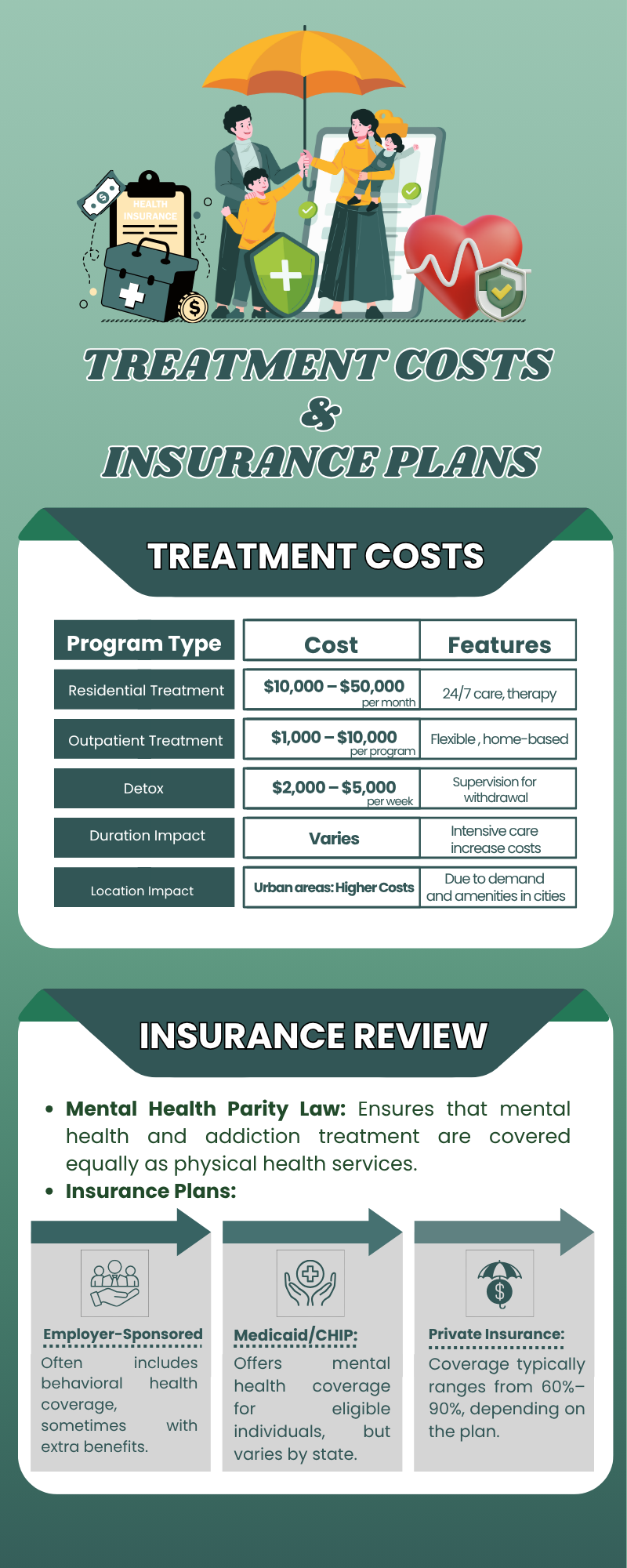
There is no single cost of rehab. There is a spectrum of care, and each level of that spectrum carries its own price point. Medical detox is the most expensive, with an average cost of $139,848. Long-term inpatient drug rehab in Massachusetts costs an average of $50,056. Outpatient addiction treatment costs an average of $8,317, while outpatient methadone treatment is the most affordable at around $7,390. These are the uninsured sticker prices. They are real. They are also, for most people, irrelevant because almost nobody pays them in full.
What these numbers in fact represent is the ceiling. The starting point of a conversation, not the conclusion of one. Understanding what drives them is the first step toward understanding what your number actually is.
The Factors That Move Your Number
Cost in addiction treatment is not fixed. It flexes along several dimensions, most of which are within your ability to influence once you know they exist.
The most significant factor is the level of care. Detox and residential treatment are intensive, medically staffed, and priced accordingly. Intensive outpatient programs – where you attend structured treatment several hours a day while living at home – cost substantially less while delivering clinically comparable outcomes for many people. The right level of care is a clinical determination, but it is worth understanding that the spectrum exists and that not every path to recovery begins with the most expensive option.
The second major factor is network status. An in-network provider has negotiated rates with your insurer. An out-of-network provider has not. The difference between the two, on the same service on the same day, can be thousands of dollars. This single variable is the one most worth clarifying before treatment begins, not after.
The third is where your deductible stands in the calendar year. If you have met most of it already, your out-of-pocket costs for treatment may be minimal. If the year is new and your deductible is untouched, the math changes considerably. A real-time verification of your benefits answers this question directly. An estimate does not.
Co-occurring diagnoses, specialized clinical staff, and amenity levels at private facilities round out the picture. Luxury residential programs exist. So do rigorous, evidence-based programs with none of the amenities, and clinically, the outcomes are often indistinguishable.
Why Massachusetts Is One Of The Better States To Need This
74.1 percent of facilities in Massachusetts accept state-financed health insurance plans, reflecting the state’s MassHealth insurance plan for low-income individuals. A comparatively high percentage of facilities, 21.6 percent, offer long-term residential rehab, making access to treatment easier for patients who suffer from complex or longstanding addictions.
This did not happen by accident. Massachusetts has spent decades building one of the most robust treatment infrastructures in the country, driven by the recognition that addiction is a public health crisis, not a moral failing, and that the state has an obligation to make treatment reachable. The Massachusetts Behavioral Health Partnership manages behavioral health care for MassHealth members through a network of more than 1,200 providers, with services ranging from detox to crisis counseling to long-term therapy.
You are in the right state to need this care. That is not a small thing.
When Commercial Insurance Is Your Path And What It Ultimately Covers
Under the Affordable Care Act and Massachusetts’s own parity law, commercial insurers are required to cover substance use disorder treatment as an essential health benefit. That coverage includes detox, inpatient, partial hospitalization, intensive outpatient, and standard outpatient care. What it does not include is automatic approval.
Prior authorization is still required by most plans, and that process, the medical necessity review, the documentation requirements, and the potential for an initial denial are where cost surprises most often originate. Not in the treatment itself, but in the gap between what was expected to be covered and what was confirmed to be covered before the first session began.
Lastly, the most protective thing you can do is have your benefits verified completely, including deductible remaining, copay or coinsurance per level of care, and prior authorization requirements.
When Insurance Is Not The Answer, What Are Other Paths That Work
For Massachusetts residents, state-funded rehab programs offer a lifeline to professional treatment regardless of income level, with funding coming primarily through MassHealth, federal block grants from SAMHSA, and other state government programs. Sliding-scale fees, Employee Assistance Programs, and payment plans through private facilities round out the picture for those who fall between coverage categories.
As of 2024, there were over 490 drug rehab facilities across the state, accepting several payment methods. The range of options is broad enough that the absence of commercial insurance is a complication, not a closed door.
What Clover Does Differently In Massachusetts
At Clover Behavioral Health, the cost conversation happens at the beginning, not in a bill three months into your recovery. Insurance verification is real-time and complete: what your plan covers, what remains on your deductible, what each level of care will cost you out of pocket, and whether prior authorization is required and how to secure it correctly the first time.
The major commercial carriers like Aetna, Blue Cross Blue Shield, Cigna, United Healthcare, Humana, and others are verified directly. If your situation involves MassHealth, a sliding scale, or a payment plan, that conversation happens with the same transparency.
The cost of addiction treatment in Massachusetts is real. So is the cost of not treating it. One of those numbers is navigable. Let us find yours. Call us or connect through our website. Bring your questions about cost, coverage, and what comes next. We will give you straight answers before anything begins, not after.
The math is more manageable than you think. Let us show you.