
Why Reaching Out Matters in Boston’s Busy World
Boston moves fast. People rush across the Commons, the T line hums, and evenings fill up with study groups, dinners, and second jobs. For many of us, that rush is part of the city’s energy. But it can also make hard moments feel heavier and lonelier, like you’re carrying something private in a public place.
This article talks about why reaching out matters in Boston, how city life can make mental health harder.
If you’ve dabbled into addiction as your coping mechanism for mental health, don’t worry! We’ll discuss practical ways to find addiction and mental health treatment nearby Boston – reachable by Metro, even!
Boston is a mid-sized American city with a lot going on hospitals, universities, neighborhoods that feel like small towns, and a growing, changing population. Recent municipal and census summaries put the city population in the mid-six-hundred-thousands range, reminding us that many lives and stories share the same streets.
When a lot of people live close together, it can feel like help is nearby, and sometimes it is. But being surrounded by people doesn’t always mean we feel connected. That mismatch in a crowded city where individuals still feel alone is one reason reaching out matters so much.
How City Life Can Make Struggles Heavier: The Pressure of Constant Motion
Boston’s pace, from long commutes to jam-packed schedules, can eat into the time we’d use to rest or connect. When free time is scarce, feelings like anxiety and sadness can get ignored or pushed to the side until they’re harder to manage.
Isolation In A Crowd
Feeling lonely while being physically close to others is a common city experience. National and academic surveys show a notable share of adults feel lonely or disconnected, and that feeling links strongly to worse mental health outcomes.
One broader survey flagged about one in five adults reporting regular loneliness; local studies show similar patterns where city life sharpens that loneliness.
The Local Picture, What Boston’s Own Data Tells Us
If you live in Boston, local reports give a clearer picture of how common persistent sadness and anxiety are here. The Boston Public Health Commission’s mental health report shows trends over time and points out that, while some neighborhoods have lower rates, others show higher levels of persistent sadness or anxiety.
For example, recent combined survey years show that many neighborhoods report double-digit percentages of adults experiencing persistent anxiety or sadness for 15 or more days in a month.
The rates are significantly higher among people without housing.
That kind of data matters because it shows these struggles are real, measurable, and shared by people across the city.
This is also where addiction and mental health treatment Boston metro resources matter most, because they take those numbers and translate them into actual care, programs, and treatment options for people who need them.
Why Reaching Out Helps
It Reduces Isolation
When you tell someone you’re struggling with a friend, a family member, or a professional, you pull a heavy thing out into the light. Connection itself often lowers the intensity of anxiety and sadness. People who feel understood usually gain access to practical help (time off work, a doctor’s appointment, a ride) and emotional relief.
It Opens Doors to Resources and Treatment
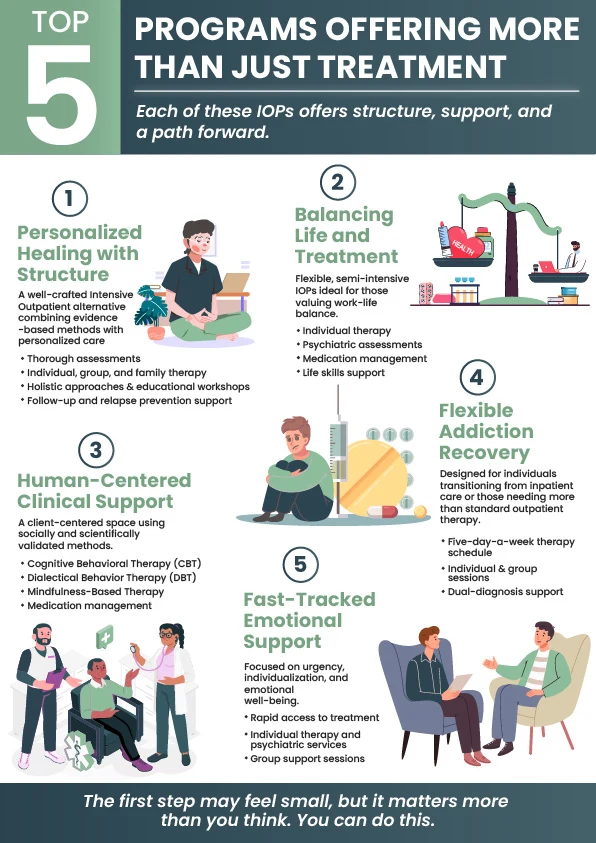
Boston has strong health and mental health systems: hospitals, community clinics, counseling centers, college counseling services, and city-run programs. Reaching out can get you to the right door faster, whether that’s a therapist who takes your insurance, a support group in your neighborhood, or a short-term counseling spot through a clinic.
And if you’re not sure where to start, Clover Behavioral Health is a welcoming place that makes the process a little less overwhelming. Their team understands how tough it can feel to take that first step, and they’ll work with you to find care that actually fits your life. Sometimes, just having someone guide you through the options for treatment – whether for stress, addiction, or anxiety – can make all the difference.
Small Steps Can Create Momentum
Asking for help doesn’t mean you must commit to long-term therapy or big life changes. Even small steps, checking in with a trusted friend, calling a local clinic, or visiting a community center, can build momentum and make later steps easier.
Practical Ways To Reach Out in Boston
Start Where It Feels Safest
If the thought of telling everyone is overwhelming, pick one person. Maybe someone you see regularly who seems kind. A short message like, “Hey, I’ve been feeling low lately. Would you have time for a coffee?” is enough to start.
Use City and Neighborhood Resources
Boston’s public health system, community health centers, and university counseling programs are good places to start. If cost is a concern, community health centers often offer sliding-scale fees, and some non-profits run free support groups. Check your neighborhood’s community center or the Boston Public Health Commission site for local programs.
Try Short-term Supports That Lower The Immediate Load
If you’re dealing with a crisis or intense distress, call a crisis line or go to an emergency department. For less urgent needs, many clinics offer same-week counseling or brief therapy that can stabilize things and point you toward next steps.
Find Community, Not Just Clinicians
Support doesn’t always come from professionals. Neighborhood groups, faith communities, arts groups, and student clubs can all be places where people share struggles and tips. Those connections help with practical needs like childcare, rides, or just company on a tough day.
Use Digital Tools As A Bridge, Not A Barrier
Apps and teletherapy can be fast ways to get started. In a busy city, scheduling a short virtual session can be the difference between getting help and letting things slide. But try to pair digital contact with at least one in-person connection when you can.
Final Thoughts
Boston rarely slows down, and in the middle of that constant motion, it’s easy to overlook the weight we’re carrying. But none of us are meant to face tough times on our own. Reaching out whether it’s to a trusted friend, a neighbor, or a supportive place like Clover Behavioral Health can make a private struggle feel lighter and more manageable.
This city has so many resources, from neighborhood clinics to community groups, but the hardest and most important step is often just the first one: opening up and saying how you’re really doing. Even the smallest action, a text, a call, or a short visit, can spark momentum toward healing. In Boston’s busy, crowded world, it’s connection that makes all the difference. It’s what turns surviving into truly belonging.