10 Things Addiction Treatment IOP in New Salem, NH, Helps You Practice Between Sessions
More than 48.5 million US residents over the age of 12 have a substance use disorder. That number is huge, and addiction treatment via IOP is the answer!
Why? Because even though therapy significantly helps with recovery, the real work happens in between, during regular days filled with stress, routines, relationships, and unexpected challenges.
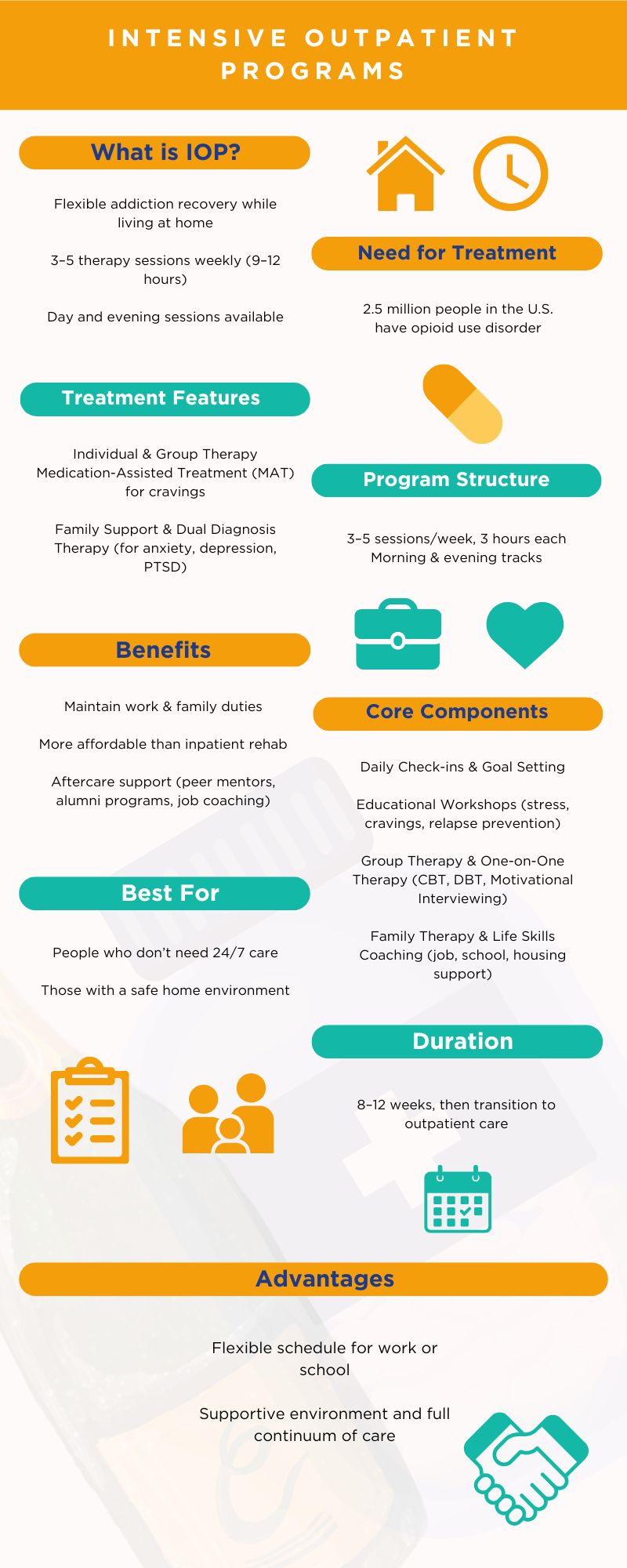
That’s why many people choose addiction treatment IOP in New Salem, NH. An intensive outpatient program not only offers support during the week, but it also focuses heavily on what happens outside of sessions.
At Clover Behavioral Health, addiction treatment IOP is designed to help people build skills they can use in everyday life.
Here are 10 important ways IOP helps you practice between sessions, where recovery really starts to happen.
1. Managing Cravings in Real Time
Cravings don’t wait for therapy appointments. They show up during stressful moments, boredom, or emotional discomfort.
In IOP, people learn to notice cravings early and respond in healthier ways. Between sessions, they practice techniques to manage urges without giving in, gaining confidence each time they succeed.
2. Handling Stress Without Turning to Substances
Stress is one of the most common relapse triggers. Addiction treatment IOP helps people practice healthier responses to stress in real-world situations.
Between sessions, individuals work on:
- Pausing before reacting
- Using grounding or calming techniques
- Creating space between stress and substance use
Over time, stress becomes more manageable instead of overwhelming.
3. Building and Following Daily Routines
Addiction can disrupt regular routines. An addiction treatment IOP in New Salem, NH, helps people create new habits that support recovery.
Between sessions, clients practice:
- Waking up and going to bed at fixed times
- Planning meals, work, and responsibilities
- Creating a sense of predictability in daily life
These routines help reduce chaos and create stability.
4. Setting Boundaries With People and Situations
Recovery often requires saying no to certain people, environments, or habits.
In IOP, individuals practice boundary-setting skills, then apply them between sessions. This might include limiting contact with triggering relationships or avoiding situations that increase temptation.
5. Responding to Emotions Instead of Escaping Them
Many people used substances to cope with emotions like anxiety, sadness, anger, or numbness.
Addiction treatment IOP helps people practice responding to these emotions in healthier ways. They work on noticing feelings without immediately trying to escape them.
This builds emotional strength and reduces reliance on drugs and alcohol.
6. Communicating More Honestly
Addiction can make it hard to communicate with family, friends, and coworkers. An intensive outpatient program helps people improve their communication skills.
In between sessions, people practice:
- Expressing needs clearly
- Asking for support
- Being honest without oversharing or withdrawing
Improved communication often strengthens relationships and reduces isolation.
7. Making Decisions With Intention
Small decisions add up in recovery. Addiction treatment IOP helps people slow down and think through choices.
This includes practicing:
- Pausing before acting
- Considering consequences
- Choose actions that help you meet your recovery goals.
This shift from acting on impulse to acting with intent is a key part of long-term change.
8. Navigating Triggers in Everyday Life
Triggers don’t disappear just because someone is in treatment. IOP helps people identify and prepare for them.
This involves:
- Recognizing emotional and situational triggers
- Using coping strategies when faced with triggers
- Learning from setbacks without judging yourself
Each experience becomes a learning opportunity rather than a failure.
9. Asking for Help Before Things Escalate
One of the most important recovery skills is knowing when to ask for help.
IOP encourages people to reach out early, before stress, cravings, or emotions build to a breaking point. Between sessions, clients practice leaning on support systems instead of trying to handle everything alone.
This reduces isolation and relapse risk.
10. Seeing Progress Even When It’s Subtle
Your progress during recovery isn’t always dramatic. It can look like fewer cravings, better sleep, or improved focus.
Addiction treatment IOP helps people recognize and value small wins. In real life, clients practice observing their growth rather than focusing only on setbacks.
Why Practicing Between Sessions Matters?
IOP is not just about what occurs in therapy sessions; it focuses on making changes that last in everyday life.
Practicing skills between sessions:
- Helps people feel confident in handling challenges
- Builds healthy habits for recovery
- Decreases dependence on willpower alone
- Prepares for lasting stability
This is what makes addiction treatment IOP so effective for many people.
How Clover Behavioral Health Supports Addiction Treatment IOP in New Salem, NH?
At Clover Behavioral Health, addiction treatment IOP is designed with real life in mind. Here’s what we have to offer:
Support That Extends Beyond Sessions
Our treatment focuses on helping clients apply what they learn in therapy to everyday situations.
Practical, Skill-Based Treatment
At Clover, IOP focuses on tools that you can use right away, not just talk about.
Structure Without Overwhelm
Clients receive consistent support while staying connected to work, family, and daily responsibilities.
A Non-Judgmental Environment
We treat setbacks as part of the process, not failures.
Who Addiction Treatment IOP Is Often Helpful For?
IOP may be a good fit if:
- You’re trying to maintain sobriety without inpatient care
- Weekly therapy doesn’t feel like enough
- Cravings or stress feel hard to manage alone
- You want support without stepping away from daily life
Finding Addiction Treatment IOP in New Salem, NH
If you’re working to stay sober and want support that comes in handy in daily life, addiction treatment IOP may be worth exploring.
Clover Behavioral Health offers structured outpatient care designed to help you build practical skills you can use when cravings, stress, or real-world challenges show up, not just during sessions.
If you’re ready to talk through your options or want help figuring out the right next step, contact us today to start a conversation about addiction treatment, IOP, and how it could support your recovery.