
The Role of Counseling, Groups, and Check-Ins
Recovery, whether from addiction, anxiety, depression, or another mental-health challenge, is rarely a straight line. In Chelmsford, as in other communities, people heal best when they have steady support: real conversations, clear plans, and regular check-ins.
This article looks at what “counseling and check-ins” really mean, why they matter so much, and how research backs up their role in long-term recovery and aftercare.
What Do We Mean by Counseling, Groups, and Check-ins?
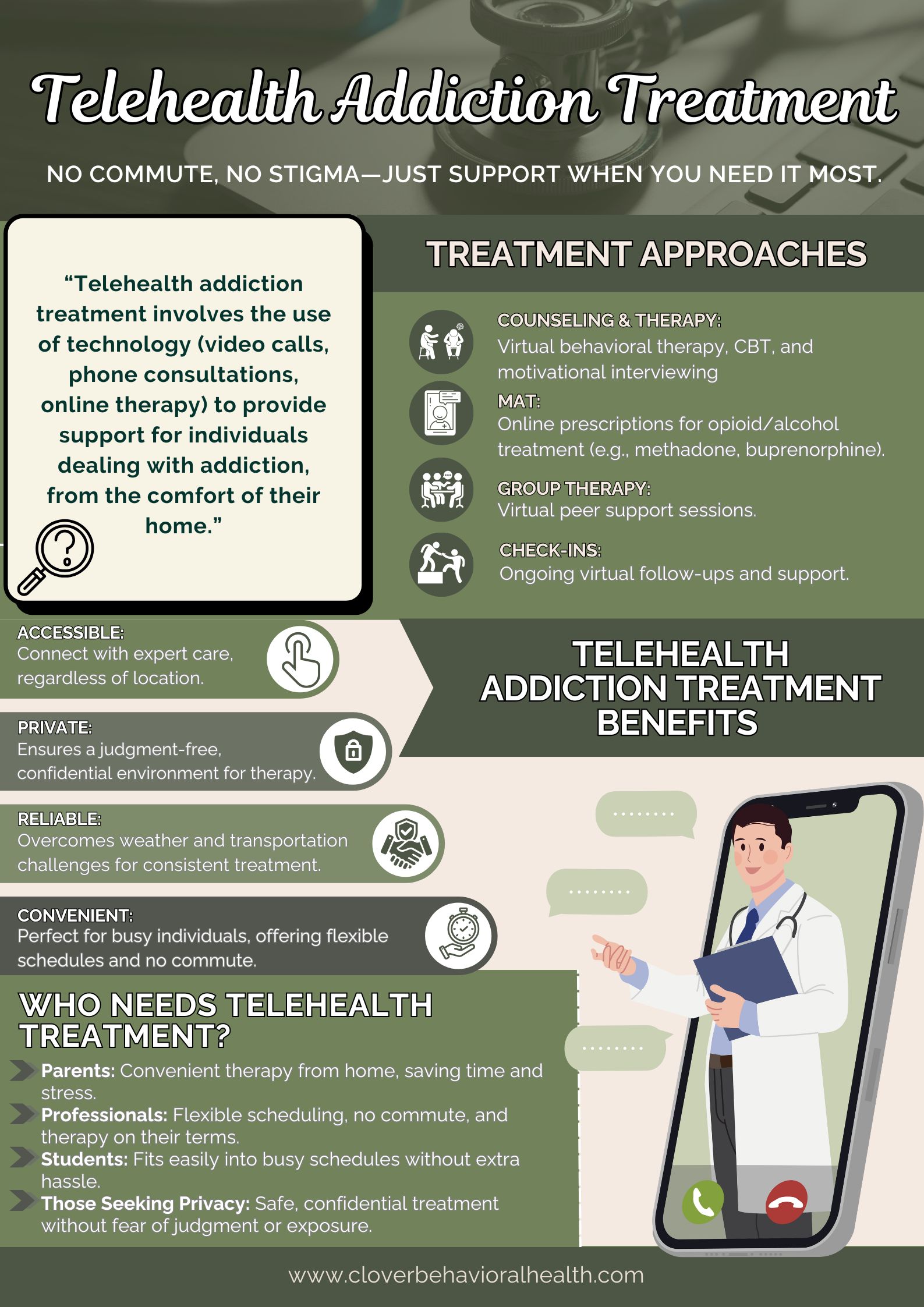
- Counseling usually means one-to-one time with a trained professional, a therapist, counselor, or recovery worker who helps you understand what’s going on and teaches coping skills.
- Group meetings are shared sessions where people with similar struggles meet to learn, practice skills, and support each other.
- Check-ins are shorter, regular contacts that can be in person, on the phone, or by video.
These three counseling phenomena often work together. For example, you might have weekly counseling, attend a peer support group, and get a twice-weekly check-in from a recovery worker. That simple combination gives structure and human contact, two things that help people stay safe and keep moving forward.
If you’re in Chelmsford and want this kind of balanced aftercare support, Clover Behavioral Health offers therapy, group sessions, and check-ins designed to fit real life. Their team focuses on steady, compassionate care that keeps people connected and moving forward. This is the type of approach that makes a Chelmsford substance abuse aftercare program so valuable.
Why Regular Sessions Matter: The 3 Practical Reasons
1. They Turn Good Intentions Into Action
Wanting to change is one thing. Showing up week after week is the thing that actually creates change. Regular sessions make recovery a habit.
When a person knows they’ll meet a therapist or group at the same time each week, it’s easier to prepare, try new skills, and make steady progress.
2. They Catch Problems Early
Small setbacks are normal. Regular check-ins let a worker spot a wobble before it becomes a full relapse.
That might mean adjusting medication, adding a coping plan, or arranging extra support for a hard week.
Studies show that quick follow-up or continuing care after treatment reduces the chance of relapse and leads to better long-term outcomes. This is one of the central goals of any substance abuse aftercare program.
3. They Build Accountability But Without Shame
When people know others are expecting them, they often make healthier choices. The point isn’t to shame anyone; it’s to make sticking to a plan easier.
Check-ins that are kind and practical, “How was your week? Any bumps?” help people stay honest while feeling supported.
What Local Data Tells Us
Big Picture, More People Are Reaching Out, but Services Need To Keep Up
Across England, more than 310,000 adults were in contact with drug and alcohol treatment services in 2023–24. That’s the highest number seen since 2009–10.
In other words, more people are asking for help than we’ve seen in over a decade, a clear sign that the need is real and growing.
The challenge now is making sure services can keep pace, so that everyone who takes that brave step forward actually gets the support they need.
Talking Therapies Work When People Complete Treatment
NHS Talking Therapies (sometimes called IAPT) delivered hundreds of thousands of treatment courses in recent years, and services aim to reach good recovery rates.
Recovery targets sit around the high-40s percent; where people complete treatment and engage regularly, outcomes are better.
That underlines how important attendance and follow-up are; the more people participate fully, the more likely they are to recover.
Local Picture: Essex and Chelmsford Services Are Evolving
Essex has carried out needs assessments and is rolling out recovery hubs and integrated services to better link clinical care with peer support and housing or employment help.
That kind of joined-up approach, where counseling is only one piece of a wider support network, reflects what people in Chelmsford often need: practical help alongside therapy.
How Counseling, Groups, and Check-ins Help – Explained Simply
Counseling Gives A Safe Space to Figure Things Out
A therapist helps you map triggers (what leads to cravings or panic), learn new skills (breathing, thought-checking, refusal skills), and set small, realistic goals. Weekly sessions are like a training plan: you try things between appointments, bring back what worked, and tweak what didn’t.
Groups Reduce Loneliness and Teach By Example
Group meetings let people hear others’ stories, learn practical tips, and feel less alone.
Someone else’s small success, “I left that party early and called my sponsor”, can be more convincing than advice from a leaflet. Research finds that group therapy can have good effects on abstinence and engagement, especially when combined with individual care.
Check-ins Keep Momentum Between Sessions
A quick phone call or text can make a huge difference on a hard day. Check-ins are chances to celebrate small wins, troubleshoot a problem, or switch to a safety plan. They also remind people they aren’t alone; someone is keeping an eye out. This kind of steady follow-up is a core feature of a Chelmsford substance abuse aftercare program.
What Good Check-ins Look Like
Short and Focused
Keep check-ins to 5–15 minutes. A short call or message asking two things, “How are you? Anything you need?”, is more effective than long, infrequent conversations.
Non-Judgmental and Collaborative
The tone matters. Check-ins should feel like a teammate checking in, not a judge. If someone admits a setback, the response should be solution-focused: “Okay, what helped last time? Shall we put in an extra meeting this week?”
Flexible, Meet People Where They Are
Some people prefer a text or WhatsApp check-in; others need face-to-face. Services that offer a mix of phone, video, and in-person contacts usually have better retention.
Barriers and How Communities In Chelmsford Can Help Remove Them
Stigma and Shame
Many people delay or stop treatment because they feel judged. Local community campaigns, recovery stories, and public events can reduce stigma and encourage people to keep attending.
Practical Issues – Transport, Work, Childcare
These are real. Services that offer evening groups, childcare support, or help with travel make it easier for people to attend regularly. Local hubs in Essex are already working on these practical supports to keep people engaged.
Fragmented Services
When health, housing, and social care don’t talk to each other, people fall through the cracks. Integrated recovery hubs and better care planning, where a person has a named worker and smooth referrals, help reduce drop-out.
Final Thoughts
Recovery takes patience, support, and the right people walking alongside you. Counseling, group sessions, and simple check-ins may seem small, but together they make a huge difference.
In Chelmsford, services like Clover Behavioral Health are here to remind you that no one has to face the journey alone.
If you’re seeking a Chelmsford substance abuse aftercare program, know that local resources are available to help you take steady steps toward lasting healing.