
Signs You May Need More Than Weekly Therapy: Exploring Intensive Outpatient Program (IOP) in New Salem, NH
Starting therapy is a big step. For many people, weekly sessions are more than enough to help them feel supported, understood, and more in control. But sometimes, even with regular therapy, things don’t feel like they’re improving the way you hoped.
If you’re living in or near New Salem and finding yourself stuck despite getting weekly therapy, you’re not alone. This is often the point where people begin to wonder whether they need more consistent support. And this is not because they’re failing, but because their needs have changed.
At Clover Behavioral Health, many clients come in asking the same question:
“Is weekly therapy enough for me right now?”
For some, the answer is yes. For others, we offer an Intensive Outpatient Program (IOP) in New Salem, NH, that provides the level of structure and consistency that helps them move forward.
When Does Weekly Therapy Start to Feel Like It’s Not Enough?
Weekly therapy works well when the symptoms are manageable and the progress feels steady. But life doesn’t always stay on that path. Sometimes the stress builds and symptoms intensify. The coping skills that once worked stop feeling effective.
However, needing more support doesn’t mean therapy has failed. It often means that your situation has changed, and your treatment needs to change with it.
Here are some signs that point towards getting into an Intensive Outpatient Program (IOP) in New Salem, NH:
Sign 1: Your Symptoms Are Affecting Daily Life More Often
If anxiety, depression, mood changes, or emotional overwhelm are starting to interfere with work, relationships, or everyday routines, it means weekly therapy is not providing enough support on its own.
An IOP offers multiple sessions per week, which can help address symptoms before they spiral further.
Sign 2: You Leave Therapy Sessions Still Feeling Overwhelmed
Therapy can often bring up difficult emotions. But if you regularly leave sessions feeling overwhelmed or unsure how to cope until the next appointment, more frequent support may be helpful.
In an IOP, you practice skills throughout the week, not just talk about them once and wait until the next session.
Sign 3: You’re in a Rough Life Transition
Major life changes can have a grave effect on even strong coping systems. This might include:
- A breakup or divorce
- Job loss or work burnout
- Grief or loss
- Major health changes
During these periods, weekly therapy may feel too far apart. IOP provides consistent support while you move through change, without requiring inpatient care.
Sign 4: You’re Using All Your Energy Just to Get Through the Week
If most of your emotional energy is spent simply surviving the week until your next therapy session, that’s a sign your support system may need strengthening.
IOP helps distribute support across the week, making things feel more manageable day to day.
Sign 5: You’re Struggling to Use Coping Skills on Your Own
Learning coping skills is one thing, but using them consistently during stress is another.
IOP gives you many opportunities to practice skills in real time, with guidance and feedback, making it easier to apply them in real life.
Sign 6: Your Therapist Has Suggested More Support
Sometimes the clearest sign comes from your therapist. If they’ve mentioned that you might benefit from more structure or frequent care, it’s worth taking seriously.
This doesn’t mean starting over. It simply means to move to an IOP that builds on the work you’ve already done in therapy.
Sign 7: You’re Worried About Getting Worse, Not Better
If part of you is quietly worried that things might keep sliding without more support, that’s an important signal.
IOP can help stabilize symptoms and keep mental health concerns from turning into a crisis. Studies show that the success rate of people who go for IOPs is 50% to 70%.
What an IOP Looks Like in Real Life
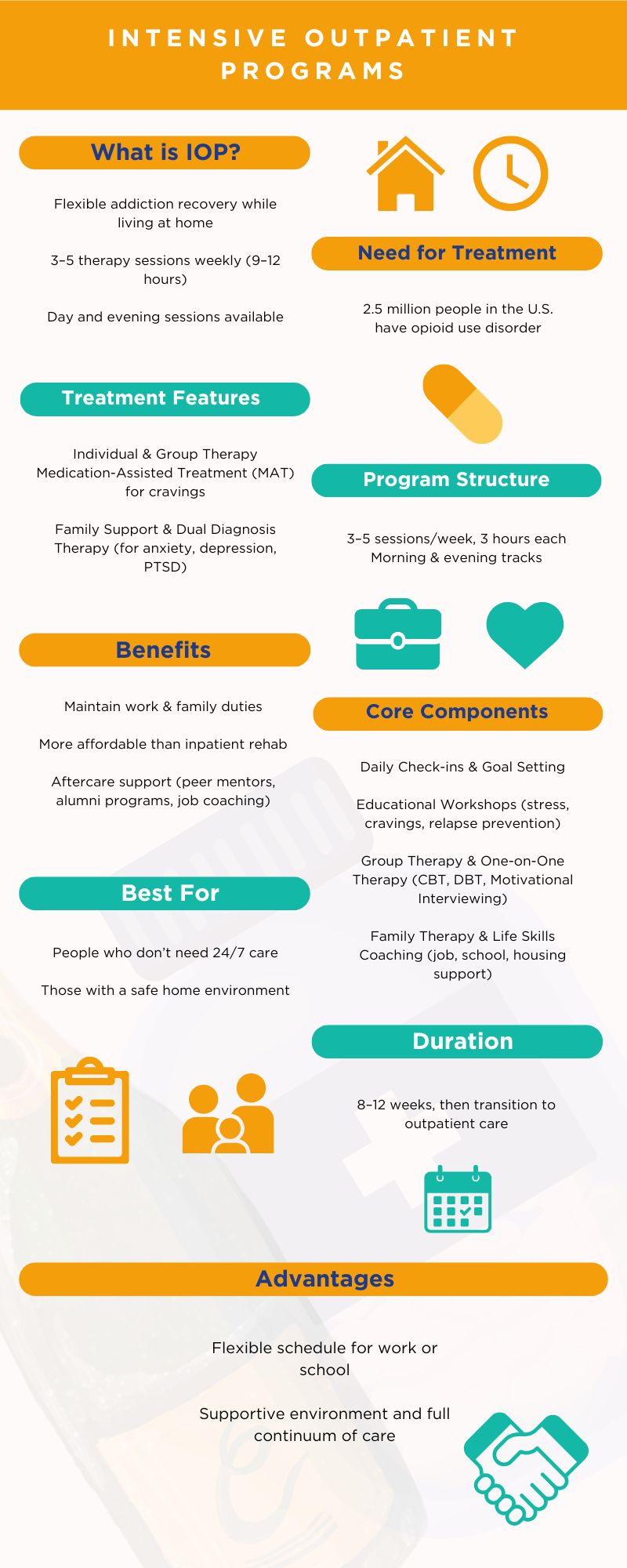
An Intensive Outpatient Program (IOP) in New Salem, NH, isn’t about stepping away from life completely. It’s about adding more structure during intense episodes.
Most IOPs involve:
- Multiple therapy sessions per week
- Group and individual support
- Skill-building and emotional regulation work
- Time to still manage work, family, or personal responsibilities
The goal is to support you where you are, not remove you from your life.
How Clover Behavioral Health Approaches IOP Care?
At Clover Behavioral Health, an Intensive Outpatient Program is designed for people who need more than weekly therapy, but don’t need inpatient treatment.
Care That Fits Real Life
Our programs offer meaningful support while helping clients stay connected to their daily responsibilities.
Consistent, Coordinated Support
Therapy, skill-building, and clinical guidance work together, so the treatment feels connected rather than scattered.
Focus on Stability and Progress
Our goal isn’t just symptom reduction, but helping people feel steadier, more capable, and more confident moving forward.
Individual Needs Come First
IOP at Clover BH is adjusted based on what each person is dealing with, not a one-size-fits-all model.
IOP Is Not a Step Back
Some people hesitate to consider Intensive Outpatient Program (IOP) in New Salem, NH, because they see it as something serious or a sign they’re not doing well enough.
In reality, choosing IOP is often a proactive step. It’s about recognizing what you need right now and responding with the right level of care.
Many people return to weekly therapy afterward feeling stronger and more equipped than before.
Wondering What Comes Next?
If weekly therapy no longer feels like enough and you’re looking for Intensive Outpatient Program (IOP) in New Salem, NH, Clover Behavioral Health offers structured, supportive care designed to meet you where you are.
Reach out to Clover Behavioral Health to explore whether IOP is the right next step. You don’t need to have everything figured out. One conversation with our licensed therapists can help you feel clearer about your options and next steps.