
When Depression Demands More Than Weekly Therapy: IOP Treatment in Massachusetts
Hope, they say, is the thing with feathers. That small bird perched in your soul, singing without words, never stopping at all. Even in the fiercest gale, it keeps going.
So, what happens when depression clips those wings? When the bird stops singing altogether? When you can’t remember the last time you heard that tune?
Some people try to weather the storm with weekly therapy. Fifty minutes every seven days. They show up, talk, and leave. Then spend six days and twenty-three hours trying not to drown before the next appointment rolls around. For mild depression, maybe that’s enough. For Major Depressive Disorder, that’s swallowing your life whole? Weekly therapy feels like bailing out the Titanic with a teaspoon.
That’s where Intensive Outpatient Programs come in. IOP for depression. It’s the thing most people don’t know exists until they need it desperately. The bridge between “I’m barely hanging on” and “I need to be hospitalized right now.”
What Major Depressive Disorder Can Steal From You
Major Depressive Disorder gets diagnosed when you have five or more specific symptoms lasting at least two weeks, with at least one being either persistent low mood or loss of interest in things you used to love. Yes, this clinical definition can never capture the devastation.
Depression doesn’t just make you sad. It guts you. Takes away your ability to feel anything at all. Your favorite song plays, and you feel nothing. Your kid laughs, and you can’t connect. Food tastes like cardboard. Sleep either won’t come or won’t let you go.
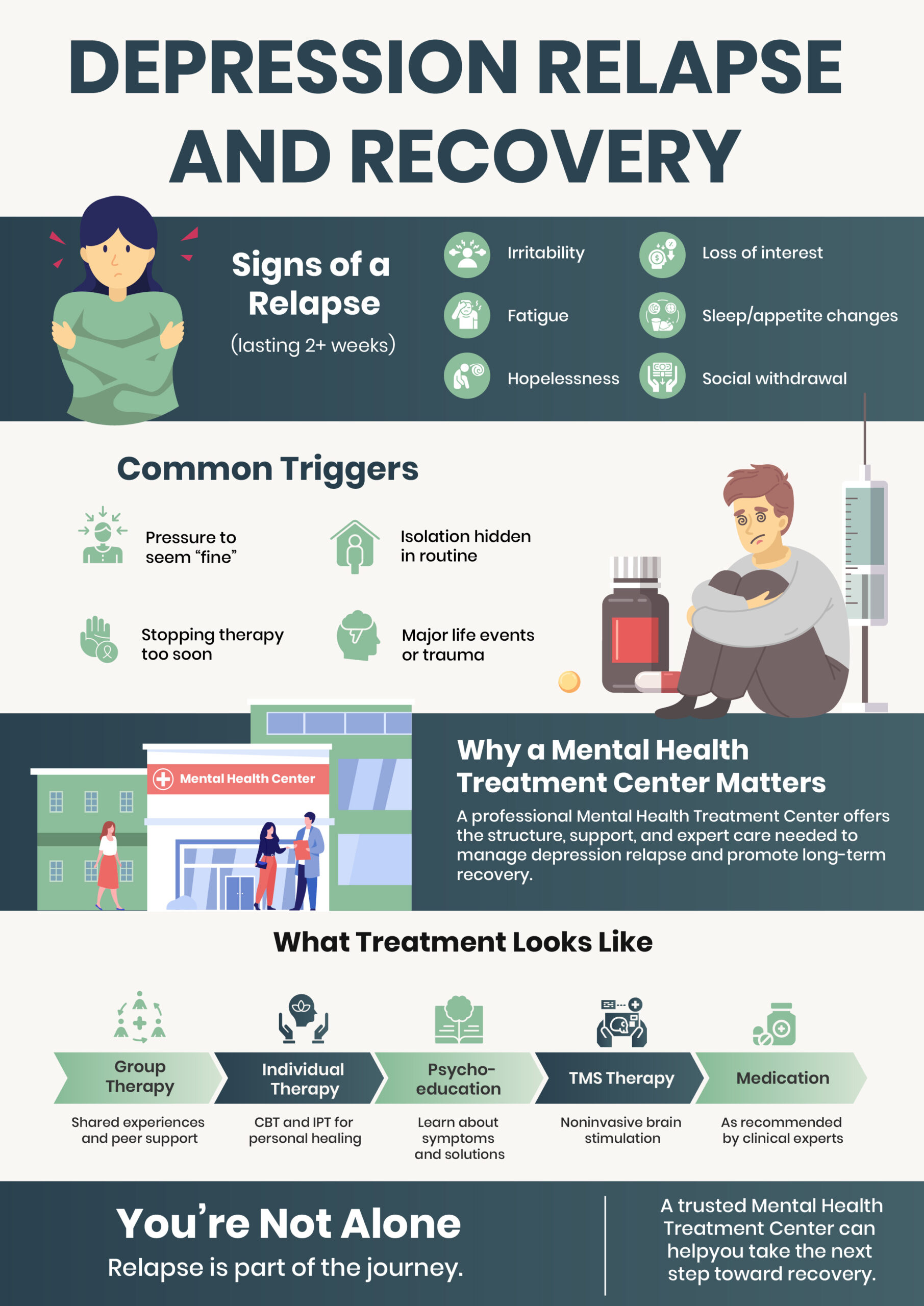
Depression was categorized as the third most prevalent disease burden in the world by the World Health Organization and is expected to be the first by 2030. This isn’t rare. This isn’t weakness. This is a medical condition that’s stealing years from millions of people.
IOP: The Support System Your Depression Truly Demands
Unlike weekly therapy, where you are expected to wait for days before you can vent every negative feeling, Intensive Outpatient Programs work differently.
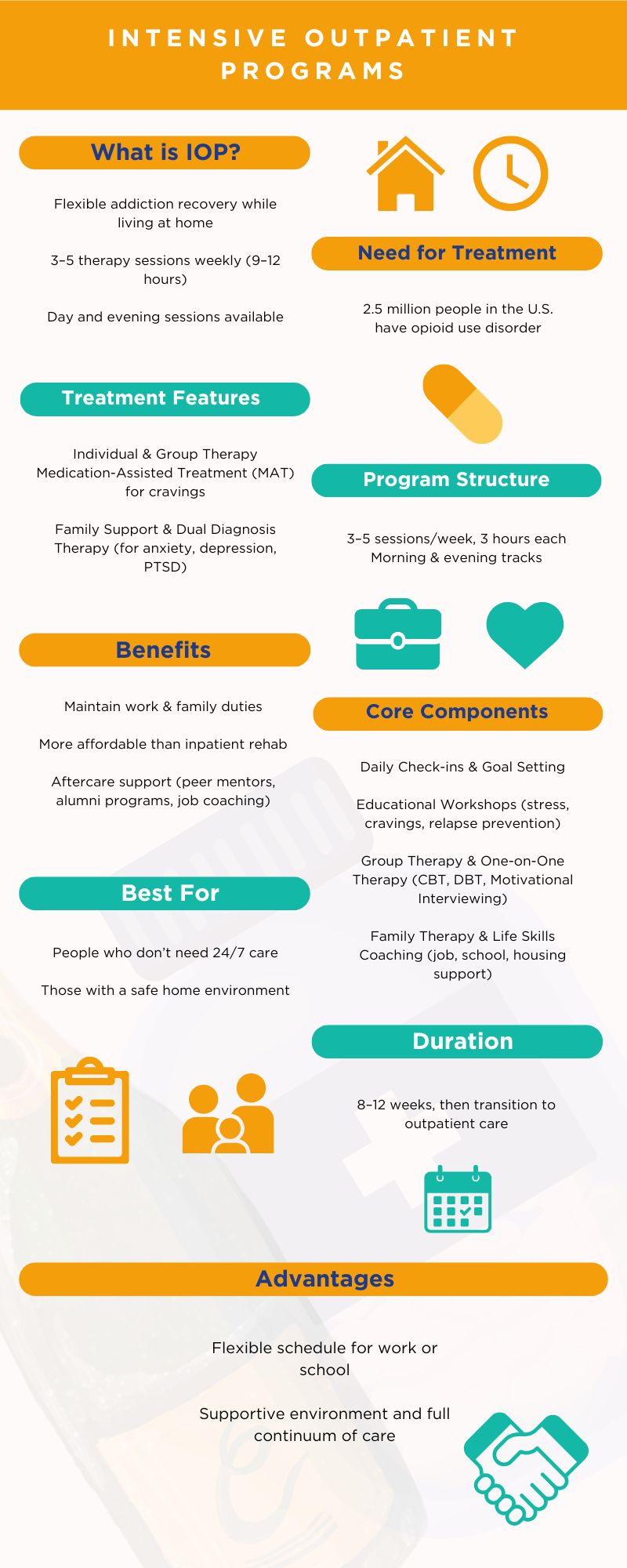
You’re coming in three to five days per week. Several hours each session. Not once-a-week check-ins. Actual intensive support when you need it most. Most programs run three days a week from morning to early afternoon, with typical treatment days consisting of multiple therapy groups for symptom reduction and skills training.
Think of it like this: if you twist your leg, you wouldn’t do ten minutes of physical therapy once a week and hope for the best. You’d do intensive rehab. Daily work. Focused healing. Depression deserves the same level of serious treatment.
At Clover Behavioral Health Center, our IOP isn’t some cookie-cutter program we pulled off a shelf. It’s built for people who are still showing up to life but barely. Still trying but failing. Still hoping that something, somewhere, works.
Unlike weekly therapy, where you are expected to wait for days before you can vent every negative feeling, Intensive Outpatient Programs work differently.
You’re coming in three to five days per week. Several hours each session. Not once-a-week check-ins. Actual intensive support when you need it most. Most programs run three days a week from morning to early afternoon, with typical treatment days consisting of multiple therapy groups for symptom reduction and skills training.
Think of it like this: if you twist your leg, you wouldn’t do ten minutes of physical therapy once a week and hope for the best. You’d do intensive rehab. Daily work. Focused healing. Depression deserves the same level of serious treatment.
At Clover Behavioral Health Center, our IOP isn’t some cookie-cutter program we pulled off a shelf. It’s built for people who are still showing up to life but barely. Still trying but failing. Still hoping that something, somewhere, works.
The Numbers Don’t Lie: IOP Success Rates for Depression
Hope without data is just wishful thinking. Therefore, let’s talk evidence
It has been found that 60-70 percent of individuals in IOP show considerable progress in the alleviation of depression symptoms towards the program completion. That’s not marginal improvement. That’s a real, life-changing reduction in symptoms.
Studies demonstrate that IOP for depression is just as effective as inpatient programs for people who aren’t an immediate danger to themselves or others. Same results, but you’re sleeping in your own bed. Keeping a connection to your real life. Not disappearing into a facility.
Who Might Need An Intensive Outpatient Treatment
Not everyone with depression needs IOP. Some people can cope with weekly therapy and medication. Genuinely, that’s great.
Nonetheless, you may require intensive therapy when you haven’t observed any progress after months of weekly therapy. If you’re functioning, technically, but it’s taking everything you have, and you know you’re running on fumes. If the thoughts are getting darker and you’re scared of where your mind goes when you’re alone.
IOP is designed for people who need more intensive treatment to prevent hospitalization, those stepping down from inpatient care who need continued support, and people in outpatient treatment whose symptoms are worsening despite current treatment.
What Happens Inside IOP for Depression
You are not sitting in some sterile room discussing your childhood for hours and hours.
The treatment is usually a combination of sessions where the main aim is to learn new coping skills. For instance, individual therapy sessions when combined with CBT can assist in reversing the thought patterns depression has gouged into your brain.
On the other hand, DBT is especially helpful for people who feel emotions very intensely and has proven effective for multiple conditions, including depression, anxiety, and bipolar disorder. You learn skills for crisis moments. How to communicate your needs when depression tells you you’re a burden.
The group component matters more than you’d think. You’re with other people who get it. Not people who say “just think positive” or “have you tried yoga?” People who understand that depression-tired isn’t regular tired. That getting out of bed can feel impossible some days. That wanting to disappear doesn’t make you crazy or broken.
You also get regular medication management if needed. Your psychiatrist sees you frequently enough to actually adjust things that aren’t working instead of waiting another month to check in.
How Long Until the Bird Starts Singing Again?
Most IOP programs run several weeks, with patients typically attending until they’ve stabilized enough that regular outpatient support becomes sufficient again. Some people need six weeks. Some need more. Depression doesn’t follow a neat timeline.
You don’t stay in intensive treatment forever. You step down gradually. Start with five days a week, maybe. Drop to three. Eventually transition back to weekly therapy. The goal is stabilization. Getting you to a place where standard support is actually enough because you’re not drowning anymore.
You’ll know when spring’s coming. The feathers start growing back. The song starts quiet at first, then gets stronger.
Final Words
If you’re in your darkest season right now, you don’t have to weather it alone. Call Clover Behavioral Health Center or visit our website. Let us help you build the intensive support system your depression actually demands.
The bravest thing you can do is admit weekly therapy isn’t enough. And ask for more. The bird is still there. Sometimes it just needs help remembering how to sing.