

Why Some People Choose Private Mental Health Treatment Instead of Insurance
There is a moment. Specific, fragile, and frequently wasted when a person decides they are ready to get help.
Not almost ready. Not thinking about it. Ready. The kind of ready that took months to arrive at, that required a particular accumulation of hard evenings and honest conversations with themselves.
And then the system gets involved.
The intake form takes three business days to process. The insurance verification requires prior authorization. The prior authorization requires clinical documentation. The clinical documentation that triggers a utilization review. The utilization review is conducted by someone at an insurance company who has never met you.
By the time the approval comes, the moment has sometimes passed. Not the need. The need remains. However, that particular quality of readiness, that fragile and hard-won openness, has absorbed enough friction that it’s become something harder to access. Something easier to defer.
Private pay IOP exists, in part, for exactly this reason.
What “Private Pay” Means And Why People Choose It
Private pay means self-pay. No insurance involved. You pay directly out of pocket, through a payment plan, or via healthcare financing, and the transaction is between you and the program. No claims filed, no utilization reviews, and no prior authorizations pending while you wait.
The reasons people choose it are more varied than most people assume. Some don’t have insurance that covers mental health adequately. Some have high deductibles that make coverage theoretical on paper and inaccessible in practice. Insurance that exists but requires several thousand dollars out of pocket before it activates. Some have insurance but want to keep their mental health treatment entirely off their health record. Some simply want to start now, this week, without waiting for a system to confirm what they already know about themselves.
Private pay is not a workaround. It is a legitimate, chosen path to care that removes a layer of administrative authority that many people find, at their most vulnerable, genuinely difficult to navigate.
The Overlooked Aspect of Confidentiality
When you use insurance for mental health treatment, a transaction happens that most people don’t fully think through. A diagnosis code gets filed. Treatment records flow through your insurer. Utilization reviewers assess your case. All of it becomes part of a permanent health record attached to your name, your policy, and your future insurability in ways that vary by plan and circumstance but are real regardless.
For many people, this is a reasonable tradeoff. For others it matters enormously and they are not always who you’d expect.
Executives and senior professionals whose mental health history could complicate licensure, security clearances, or professional standing. People in industries where behavioral health records carry a stigma that hasn’t caught up with the culture’s stated values. People navigating complicated employer situations where the line between personal health and professional identity feels uncomfortably thin. People who simply believe, reasonably, that what happens in a treatment room should stay there between them and the people treating them, and nobody else.
Private pay IOP keeps your treatment exactly that private. No claims filed means no record flowing anywhere outside your clinical team. The confidentiality is not partial or approximate. It is complete.
What Private Pay Gives You That Insurance Doesn’t
Insurance-based treatment answers to two authorities simultaneously: your clinical team and your insurer. Your clinical team determines what you need. Your insurer determines what they’ll cover, for how long, and at what level of care, and those two determinations do not always agree.
A utilization reviewer can decide, mid-treatment, that you’ve stabilized sufficiently to step down to a lower level of care. They can do this without being in the room, without knowing your history in any meaningful depth, and without understanding the specific variables of your life that your treatment team has spent weeks learning. And their determination carries weight because it’s attached to payment.
Private pay removes that second authority entirely. Your treatment length is determined by your clinical progress, not a coverage limit. Your step-down pace is set by you and your treatment team, based on how you’re actually doing. If you need two more weeks, you get two more weeks. The decision belongs to the people who are actually in the room with you.
That is not a small thing. Clinical autonomy produces better outcomes. The research on this is consistent. Treatment shaped around a person’s real needs, without an administrative ceiling, simply works better than treatment shaped around what an insurer has pre-approved.
The Cost of Private Pay IOP and How to Make It Work
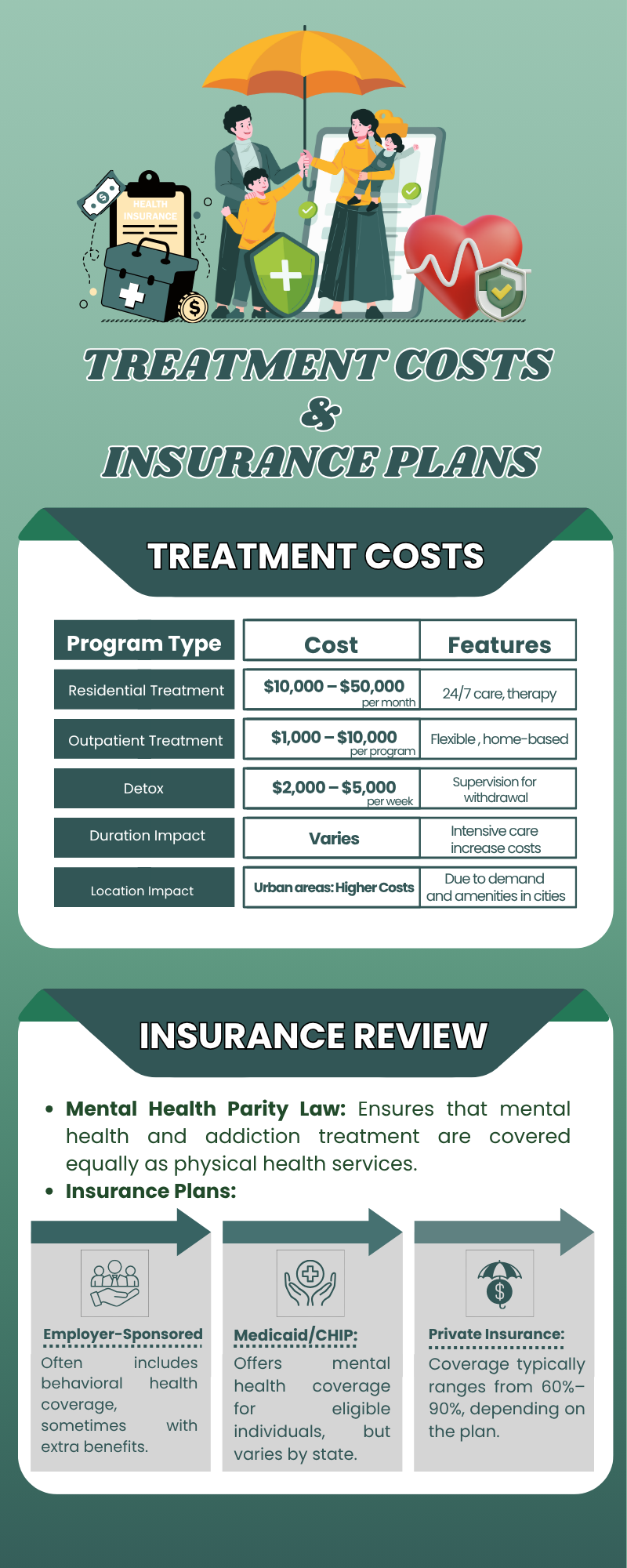
Private pay IOP in New Hampshire typically runs between $200 and $400 per session depending on the program, the clinical staff, and the services included. A standard IOP schedule of three sessions per week over eight to twelve weeks represents a real financial commitment.
Most quality programs offer payment plans that spread the cost across the treatment period. HSA and FSA accounts can be used for IOP expenses, which effectively makes the cost pre-tax. Healthcare financing options like CareCredit exist specifically for this kind of gap. Sliding scale arrangements are available at some programs for people whose financial situation warrants it.
The comparison is worth making honestly: the cost of a month of private pay IOP set against the cost of another year of undertreated mental health struggles. Lost productivity. Strained relationships. The narrowing world that anxiety and depression build slowly around a person. The compounding interest of deferred treatment. Measured that way, the math changes.
Final Words
The best time to get help is when you need it. Not when an insurance company confirms you need it. Not when the paperwork clears. Not when the authorization arrives and the moment you were ready in has quietly elapsed.
At Clover Behavioral Health in Salem, NH, private pay options exist for exactly the person this article is written for. The one who is ready now, who wants to start without a waiting period, who values their privacy, who wants their treatment shaped by clinical need rather than coverage limits.
Call us, reach out through our website, or stop in. The first conversation is honest and straightforward, including what private pay costs, what treatment looks like, and whether we’re the right fit. No pressure before you’re ready. Just for clarity, so the decision you already made can become the thing that truly changes your life.