Relapse Prevention & Long-Term Aftercare in Dracut, MA: Why Recovery Isn’t a Finish Line
There’s a Japanese art form called kintsugi. When a ceramic bowl breaks, artists repair it with gold lacquer. The cracks become part of the design. More beautiful for having been broken. Except nobody tells you that the gold needs maintenance. That the repaired bowl still needs careful handling. That it’s more fragile in some places than it ever was before.
Recovery programs love to talk about “graduating.” Like sobriety is a degree you earn, and then you’re done. You walk across a stage, shake hands, and move on with your life. Cured.
Yet, anyone who’s actually tried to stay sober knows that’s not how it works.
The real test doesn’t happen in treatment. It happens on a Tuesday afternoon, three months later, when you’re stuck in traffic, and your mind whispers that one drink wouldn’t hurt. It happens when you lose your job or your relationship ends or nothing bad happens at all, but you wake up and the emptiness is back.
That’s when you need someone. Not a crisis hotline. Not an emergency intervention. Just someone who knows your story. Who remembers what your triggers are. Who notices when you stop showing up.
The Lie We Keep Telling About Relapse
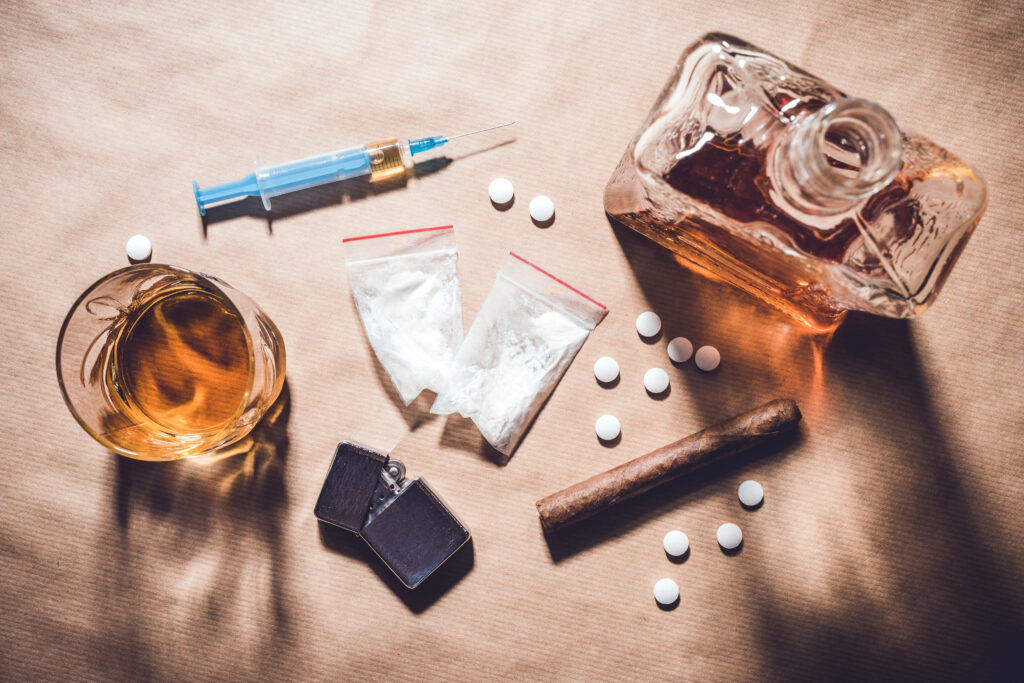
The National Institute on Drug Abuse reported that 40-60 percent of individuals undergoing recovery relapse. Approximately equal to other chronic diseases such as diabetes or hypertension. No one refers to it as a moral failure when a diabetes patient experiences a blood sugar spike. Yet, we attribute addiction to willpower and shame.
You tried so hard. You made it 47 days, or six months, or two years. Then something happened. Or nothing happened. And you picked up again.
The shame is crushing. You let everyone down. You proved what you suspected all along, that you’re not strong enough, disciplined enough, or worthy enough to stay clean.
Except that’s not what happened at all.
What happened is your brain, which spent years or decades learning that substances solve problems, encountered a problem and did what it’s been trained to do. Your nervous system, still healing, got overwhelmed and reached for the quickest exit.
The question isn’t why did you relapse. The question is, who’s there to help you understand it and do something different next time?
What Happens When Treatment Ends
You finish your program. People clap. You get a certificate, maybe. Then what?
You go back to the same apartment. The same job, if you still have one. The framework that kept you together for 30 or 60 or 90 days? Gone.
You are now expected to go to meetings solo. Get new friends who do not drink. Find a therapist. Build a support network. Navigate insurance. Meanwhile, your brain is still rewiring itself. Your body? Still recalling how it feels to experience things without having to resort to the use of chemicals.
It is as though you were given a map that is written in a language you are yet to master and instructed to go home in the dark. Most programs offer “aftercare.” Which often means a phone number you can call and a list of local AA meetings. Maybe a group session once a week for a few months.
It’s something. But is it enough?
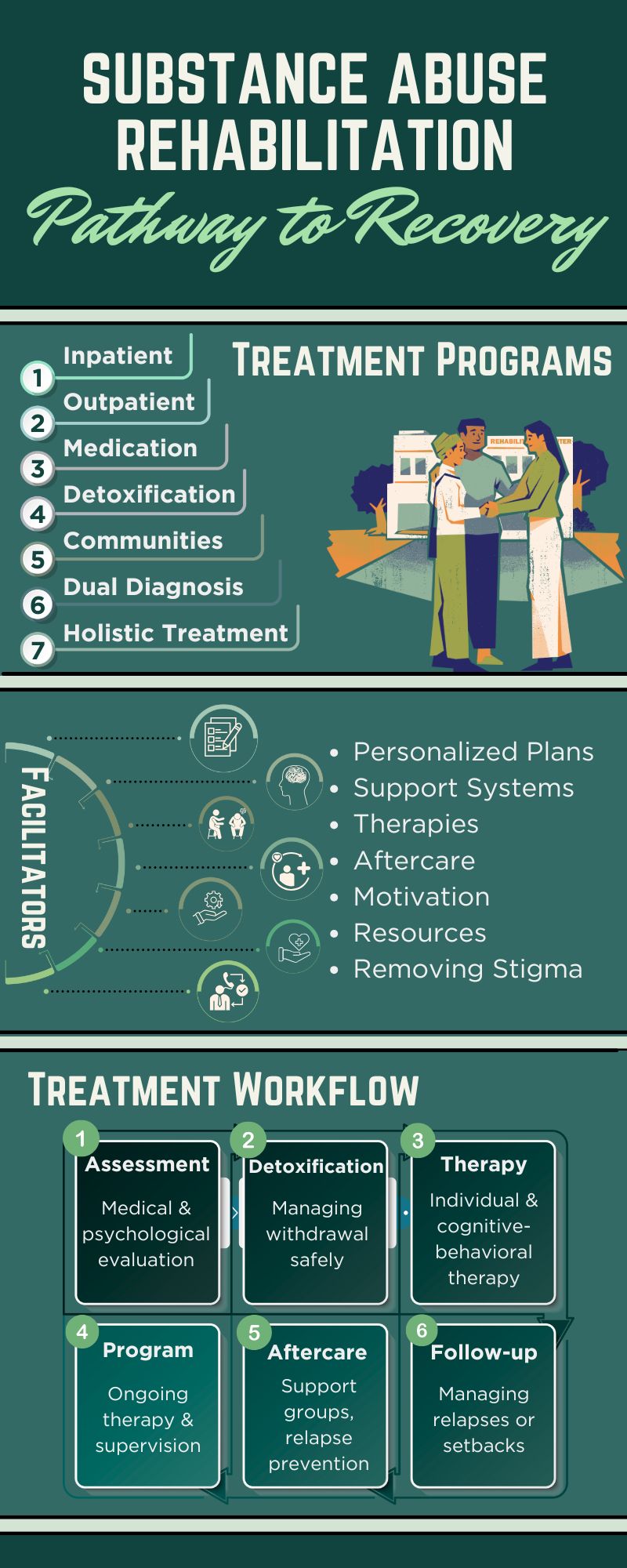
The Bridge Nobody Builds
There’s a gap between intensive treatment and regular life. Between feeling held and feeling alone. That gap is where most relapses happen.
Not because you didn’t learn the skills. Not because you didn’t want it badly enough. The real reason is that, in fact, no one walked you across the bridge. The assistance you required? It disappeared right when you needed it most.
Your triggers don’t wait for convenient times. The cravings don’t schedule themselves around your therapy appointments. Life doesn’t pause while you get your footing.
You need someone who’s there in the messy middle. Who checks in not just when you call in crisis but before the crisis happens. Who notices the patterns you can’t see yet because you’re too close to them.
What Sustainable Recovery Looks Like
At Clover Behavioral Health Center in Dracut, we understand that recovery isn’t a program you complete. It’s a life you build. And building takes time, support, and someone who knows when the foundation is starting to crack.
Regular Connection That Doesn’t Require Crisis
Monthly check-ins with your care team are essential. Catching the slide early means you don’t have to climb back from the bottom again. We remember who you are. Your story. What worked for you in treatment, and what didn’t. The warning signs that mean you’re struggling even when you say you’re fine.
Skills That Work In Real Life
Group sessions focused on the stuff that messes up your life. How to handle work stress without drinking. What to do when your family still treats you like you’re using. How to date sober. How to sit with boredom. Not theoretical. Practical. The kind of tools you can use on a Thursday when everything feels hard.
A Community That Sticks Around
You meet other people in recovery. Not just in your early days but months and years later. People who get it. Who won’t judge you for struggling. Who celebrate the small wins because they know how hard they are. You don’t have to do this alone. You were never supposed to.
Relapse Response That Doesn’t Reset Everything
If you pick up again, we don’t start over from scratch. We look at what happened. What was going on in your life. What the relapse is trying to tell us about what you need.
Then we adjust the plan because recovery isn’t linear. It’s a spiral. Sometimes you loop back to places you’ve been before. Still, each time, you’re higher up than you were. You know more. You have more tools. You’re not back at the beginning even when it feels like you are.
Take Your Next Step With Clover Behavioral Health Center
You do not need to work out long-term recovery single-handedly. You do not need to white-knuckle your way through all triggers and hope that you are strong enough. Our aftercare programs at Clover Behavioral Health Center in Dracut provide you with the aftercare support that your recovery requires to be sustained. Not just survive, but thrive.
Call us today at 978-216-7765. Let’s build something sustainable together. Something that lasts.