
College Stress Is Real: Where UMass Lowell Students Can Find Mental Health Support
There’s no manual for navigating college life, and for the tens of thousands of students living and studying in the Greater Lowell area, there’s no guide for handling the emotional stress, anxiety, and daily pressures they face.
Every semester can feel like reinventing yourself while running at full speed; pushing for grades, juggling work and family responsibilities, balancing social expectations, and hoping you’re doing okay.
For students attending UMass Lowell and nearby colleges, these pressures are not abstract – they’re lived daily across residence halls, classrooms, and off-campus housing throughout the local community.
That’s why student mental health support must feel like more than a checkbox on an orientation sheet.
In an area dense with college campuses and young adults in transition, support needs to be visible, accessible, and grounded in the realities of the local student population.
It needs to feel personal, easy to reach, and capable of making a real impact when students feel overwhelmed, isolated, or unsure where to turn.
Universities like UMass Lowell and other colleges serving this immediate region play a critical role in supporting the emotional, psychological, and academic well-being of a large and diverse student population that lives, studies, works, and builds its future right here.
The Reality of College Student Mental Health
We often hear that college years should be “the best years of your life,” yet for many students across UMass Lowell and surrounding campuses, they are also some of the most stressful and emotionally turbulent.
National research confirms what local students already feel.
The 2024–2025 Healthy Minds Study surveyed more than 84,000 students across 135 U.S. colleges and universities, showing slight declines in severe depression and suicidal thoughts.
Even so, more than one-third of students nationwide still screen positive for clinically significant depression, and over half report ongoing loneliness and social isolation challenges that are deeply relevant to the large student population concentrated in this region.
Despite encouraging trends in some areas, college student mental health challenges remain widespread.
Many students report moderate to severe psychological distress, struggling with anxiety, depression, and persistent feelings of being overwhelmed by academic and social pressures.
For a community with such a high density of college students, these statistics are not distant; they represent classmates, roommates, and peers across local campuses.
Why Support Matters On and Beyond Campus
Mental health doesn’t exist in isolation. For students in the Greater Lowell college community, emotional well-being directly affects academic performance, social engagement, daily functioning, and long-term stability.
Students coping with unmanaged anxiety, depression, or stress often struggle in classrooms, withdraw socially, and lose motivation. These are the challenges that can ripple across campuses and into the surrounding community.
Such emotional hurdles aren’t “just part of college life.” They can delay graduation, derail career plans, and affect future resilience.
Large public institutions like UMass Lowell, along with nearby colleges, are deeply connected to the well-being of students who live, study, and work locally.
Supporting mental health at this scale strengthens not only individual outcomes but the health of the broader community.
What UMass Lowell Offer – Real Support for a Large Local Student Body
Mental health support at UMass Lowell goes beyond pamphlets and quiet counseling offices.
It reflects an understanding that serving a massive, diverse student population in this area requires layered, accessible, and responsive care.
The university’s Wellness Center Counseling Services provides free, confidential clinical support, including same-day or next-day appointments for students needing immediate connection.
For a campus with thousands of students managing academic pressure, financial stress, and life transitions, quick access can be a lifeline.
Whether a student is experiencing exam anxiety, depressive symptoms, or feeling unable to cope, these services ensure support is available without long wait times.
Beyond counseling, UMass Lowell has built a broad network of peer-based and preventative programs designed to reach students where they already are.
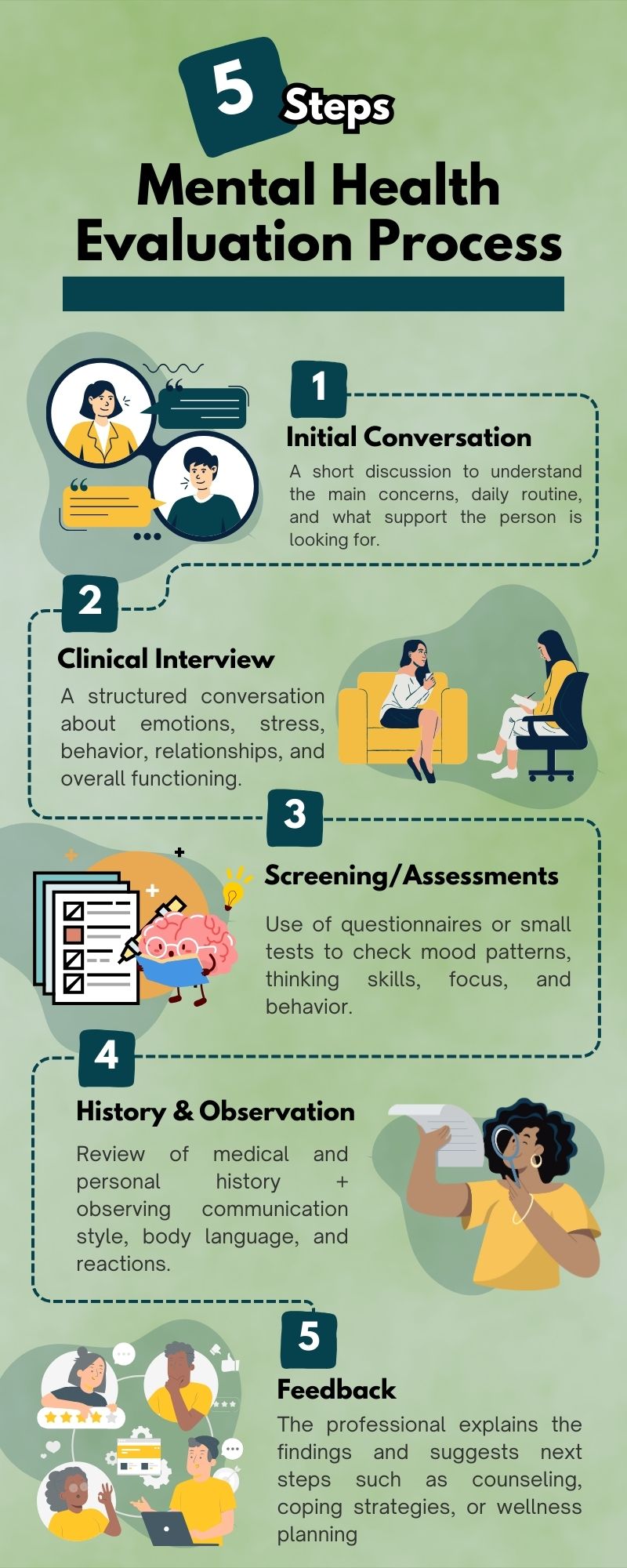
Campus Advocates for Prevention Education (CAPEs) train student leaders to engage peers in classrooms and campus events, helping normalize conversations around mental health within the local student community.
Spiritual health ministries, meditation spaces, and outreach initiatives further expand access, offering multiple pathways to connection across campus.
Online tools such as ULifeline allow students to privately assess emotional concerns and connect with support, while platforms like Togetherall provide 24/7 anonymous peer support, a critical option for students living both on and off campus throughout the area.
Together, these programs reduce isolation and shift campus culture from silent struggle to shared support.
The Broader Campus and Community Context
Students attending local colleges don’t exist in isolation from their surroundings. Many seek help through community clinics, local therapists, or online providers that accept insurance.
UMass Lowell’s approach recognizes that supporting a large local student population requires integration between campus services and community-based care.
This creates a stronger safety net for students navigating stress, academic pressure, or major life changes.
National data shows that while most U.S. colleges offer counseling services, access varies widely.
A layered approach – combining clinical care, peer support, faculty awareness, and community resources – ensures more students are reached.
Breaking Down Barriers for a High-Density Student Population
One of the biggest challenges isn’t availability, it’s access. Students may hesitate due to stigma, uncertainty, or fear of judgment.
That’s why UMass Lowell emphasizes training faculty advocates and residence advisors to recognize distress and guide students toward help in ways that feel normal and supportive.
For a campus serving thousands, these everyday touchpoints matter.
Tools like Welltrack Connect further simplify access by helping students find and connect with therapists in ways that fit busy student schedules and comfort levels.
For students who need support beyond campus or prefer off-site care, community-based providers such as Clover Behavioral Health offer additional therapy options that can complement university mental health resources and provide continued support outside the campus setting.
Key Takeaways
Student mental health is a lived reality for thousands of students across UMass Lowell and nearby campuses.
When support is visible, accessible, and connected to both campus and community resources, students are more likely to reach out, stay engaged, and build resilience that supports their academic success and overall well-being.