

Depression and anxiety treatment is never a one-size-fits-all approach, and therapists in Bedford, Massachusetts, emphasize that above all else. While these mental health challenges are incredibly common across the country, the journey toward feeling better is highly individualistic.
In Bedford, more people are beginning to understand that reaching out for help isn’t a sign of weakness; it’s a step toward real, meaningful change. And the support available locally is not only accessible but grounded in proven methods and delivered with care.
National data from the National Institute of Mental Health shows that around 21 million adults in the United States experienced at least one major depressive episode in the past year. That’s nearly one in every ten adults.
Anxiety disorders are even more widespread, with over 30% of adults facing symptoms at some point during their lifetime. Yet despite how common these issues are, many people in Bedford still hesitate to seek support, unsure if their experience “counts” or worried about what therapy might involve.
You’re Not “Too Much” or “Not Enough” to Deserve Help
Therapists in Bedford often hear people wonder, “Is what I’m feeling serious enough to talk to someone about?” That uncertainty is common, especially when symptoms aren’t loud or overwhelming. But mental health doesn’t have to reach a breaking point before it deserves attention.
Maybe you’ve noticed your energy is lower than usual. Maybe you’re snapping at people you care about. Or you can’t shake a feeling of unease, even when everything around you seems fine. These aren’t things to brush off; they’re gentle signs that your mind is asking for care.
Choosing the Right Type of Therapy Matters
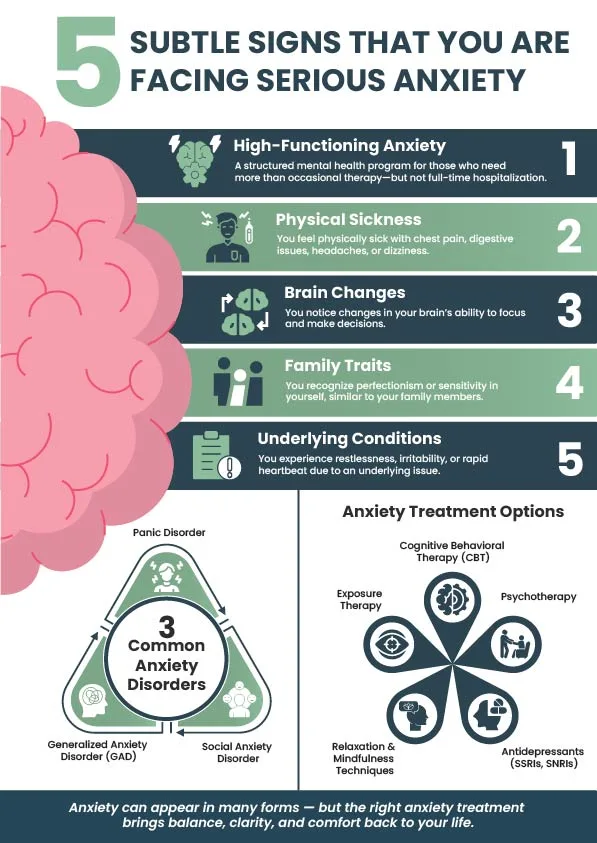
Whether you’re someone who likes structure, prefers quiet self-reflection, or needs help exploring deeper emotional layers, there’s likely a method that will feel right for you. Below are some of the most commonly used and most effective therapeutic approaches local professionals use to support emotional healing.
Cognitive Behavioral Therapy (CBT)
Cognitive Behavioral Therapy, often called CBT, has been a trusted approach to treating anxiety and depression for many years. It remains a go-to method due to its practical and results-driven nature. At its foundation, CBT helps people understand how their thoughts, emotions, and behaviors influence each other—and how changing one can have a positive impact on the others.
Acceptance and Commitment Therapy (ACT)
Acceptance and Commitment Therapy (ACT) takes a gentle, down-to-earth approach to emotional healing. Rather than trying to block out or avoid painful thoughts and feelings, ACT helps you accept them as a natural part of life. It’s not about fixing what’s “wrong”, it’s about learning how to live well alongside whatever you’re carrying.
This kind of therapy is rooted in helping you focus on what matters to you. That could mean being more present with your kids, reconnecting with your passions, or simply feeling more at peace in your day-to-day life. Even when things are tough, ACT gives you the tools to keep showing up for the life you want. It’s about making room for the hard stuff without letting it hold you back.
Medication as a Supportive Tool
Sometimes, no matter how hard you try in therapy, it still feels like you’re stuck. The anxiety just won’t ease up. You’re not sleeping well. That heavy feeling won’t let go. When emotional struggles start making it hard to get through the day, medication can offer some real, much-needed support.
Taking medication doesn’t mean you’re broken, weak, or doing something wrong. It’s just one more way to help yourself feel a little steadier, like getting enough air to breathe again or finally being able to rest. Medications like SSRIs or SNRIs aren’t there to “fix” you—they simply help take the edge off so that things don’t feel quite so overwhelming. And when that happens, it’s easier to focus on therapy, feel more like yourself, and move forward in a way that feels doable.
Trauma-Informed Therapy
Trauma-informed therapy is very important. It’s not just sitting down and talking through your problems—it’s about creating a space where you feel safe to heal. Therapists in Bedford who work with trauma-informed approaches like EMDR, somatic experiencing, or Internal Family Systems (IFS) know how delicate this work can be. They’ll never rush you. They’ll listen, guide, and support you at a pace that feels right for you.
This kind of therapy isn’t about digging up the past just for the sake of it. It’s about recognizing how those past experiences still show up today – and learning how to release the hold they have on you. There’s no pressure to revisit painful memories unless you’re ready. Everything happens at your pace.
This type of therapy isn’t about digging up the past just to rehash it. It’s about making sense of how those old wounds still show up today, and learning how to heal so you can move forward without carrying all that weight.
You’re Supported Here
Primary Care Providers
Not sure where to begin? Your regular doctor is a good first step. They can check in on your mental health, talk through how you’re feeling, and point you toward the right therapist or support. Sometimes, just starting the conversation makes all the difference.
Telehealth Services
Life gets busy, and not everyone can make it to an in-person session. Luckily, many Bedford therapists offer virtual therapy, so you can talk to a professional from your own home, whether you’re on your lunch break or curled up on the couch.
Choosing Clover Behavioral Health
While all of the above resources offer valuable support, Clover Behavioral Health stands out as one of the best options for compassionate, evidence-based care customized to your individual needs. At Clover Behavioral Health, you’re not just another appointment; you’re a real person with real experiences, and your story matters. Whether you’re feeling anxious, down, overwhelmed, or just not like yourself, we’re here to walk alongside you with care that fits your life.
Key Takeaways
Getting support in Bedford doesn’t have to feel complicated or out of reach. From therapy that matches your personality to medication that helps you feel more balanced, the help you need is right here. You don’t have to do this alone, and you don’t have to have it all figured out to get started.