

What to Expect from Depression Treatment in Salem, NH
Depression doesn’t always show up as people expect. It’s not just about feeling sad! Sometimes, it feels like being tired all the time, losing interest in things you used to enjoy, having trouble focusing, or just getting through the day on autopilot.
Because these changes often happen gradually, many people don’t realize how much depression is affecting their lives until everyday tasks begin to feel overwhelming.
The good news is that depression is treatable!
Whether you’re experiencing symptoms for the first time or have been struggling for a while, getting professional support can help you better understand what you’re going through and find a treatment plan that works for you.
If you’re looking for depression treatment in Salem, NH, here’s what you can expect and how the process can help you move toward feeling better.
Recognizing When It’s Time to Seek Help
Everyone has days when they feel sad, stressed, or unmotivated. But that doesn’t mean they’re depressed! When you’re facing depression, your feelings can last for weeks or longer and begin to affect everyday life.
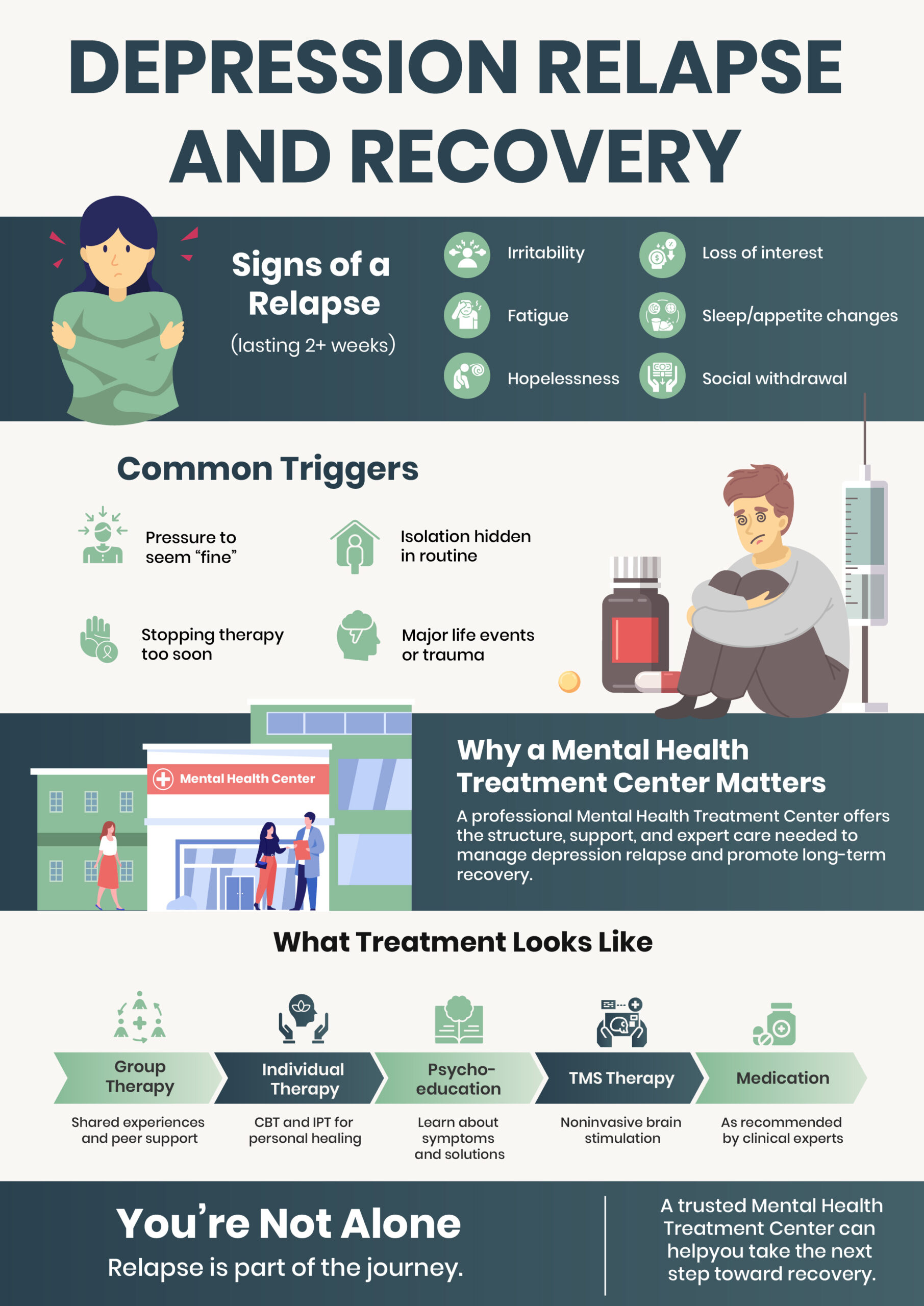
It may be time to seek professional support if you are:
- Feeling sad, empty, or hopeless most of the time
- Losing interest in activities you once enjoyed
- Having trouble concentrating or making decisions
- Sleeping much more or less than usual
- Feeling tired even after getting enough rest
- Withdrawing from family or friends
- Finding it difficult to manage work, school, or daily responsibilities
You don’t have to wait until symptoms become severe to ask for help. Reaching out early can make a huge difference.
Your First Appointment
It is totally normal to feel nervous before your first therapy appointment, especially if you have never spoken with a mental health professional before.
The first visit is simply a conversation; no judgement, no decisions!
Your therapist will ask about your symptoms, how long you’ve been experiencing them, and how they are affecting your daily life. You may also talk about your medical history, current challenges, and what you hope to achieve through treatment.
This appointment is also your opportunity to ask questions and learn more about your treatment options.
There is no pressure to share everything at once. The goal is to help your therapist understand your needs and recommend the best path forward.
Creating a Treatment Plan
After learning more about your situation, your therapist will work with you to create a treatment plan.
Because depression affects everyone differently, treatment is personalized accordingly.
Your treatment plan may change over time as your needs and goals change, and you make progress.
What Types of Treatment May Be Recommended?
Treatment for depression can include one or more approaches depending on your symptoms and individual needs.
Individual Therapy
Individual therapy is a one-on-one conversation with your therapist. It gives you a safe and supportive place to talk about what you’re experiencing.
It can help you better understand your thoughts and emotions, work through challenges, and learn healthy coping skills for managing depression.
Intensive Outpatient Program (IOP)
For some people, weekly therapy may not turn out to be very effective. In such a case, you may be referred to an Intensive Outpatient Program. It offers more frequent treatment while allowing you to continue your everyday life at home. This option is beneficial if depression is making it difficult to manage daily responsibilities or if you need additional support.
Medication Management
Medication is also recommended for some individuals as part of their treatment plan.
Depending on your symptoms and condition, a qualified medical provider determines whether medication is beneficial and monitors your progress over time.
How Does Progress Happen?
Many people think they will feel better after just a few therapy sessions. While everyone responds to treatment differently, recovery often happens slowly and gradually.
You may begin noticing small improvements, such as:
- Feeling more motivated
- Sleeping better
- Managing stress more effectively
- Having more energy
- Enjoying activities again
- Feeling more hopeful about the future
These small changes often build on one another over time.
How Long Does Depression Treatment Take?
There is no set timeline for depression treatment. Some people begin to notice improvements within a few weeks, while others need more time. Recovery looks different for everyone and depends on factors such as the severity of symptoms, the type of treatment, and how consistently someone participates in their care.
The important thing to remember is that progress often happens gradually. Even small improvements, like having more energy, sleeping better, or finding it easier to complete daily tasks, can be signs that treatment is working.
Your treatment team will continue to monitor your progress and make adjustments when needed to help you reach your goals.
What If Treatment Needs to Change?
One of the most important things to remember is that treatment is flexible.
If your symptoms improve, your treatment plan is adjusted according to your progress.
If you need more support, your provider may recommend additional services or a higher level of care.
Depression Treatment in Salem, NH at Clover Behavioral Health
Depression can make even small tasks feel difficult, but you don’t have to face those challenges alone.
When you come to Clover Behavioral Health, we take the time to understand what you’re experiencing before recommending a treatment plan.
Whether you need weekly outpatient therapy or more structured support through our Intensive Outpatient Program, our team will work with you to find the treatment option that fits your needs.
Our goal isn’t just to help you get through today. It’s to help you build the skills, confidence, and support you need to feel better in the long run.
A Brighter Tomorrow Starts Today!
Depression can make it feel like things will never get better, but recovery is possible.
With the right treatment and support, many people learn to manage their symptoms, regain hope, and enjoy life again.
If you’re looking for depression treatment in Salem, NH, Clover Behavioral Health is here to offer long-term solutions for depression.
Contact us today for a confidential assessment. We are available 24/7 to help you begin your journey towards recovery.