

Recognizing the Breaking Point: Signs a Loved One Needs Mental Health Treatment in NH
Watching someone you love struggle is emotionally heavy. Distinguishing between temporary life stress and a mental health crisis confuses many New Hampshire families. In 2026, data revealed that roughly 22% of adults in New Hampshire experienced a mental illness, leaving their support networks feeling isolated.
Waiting for a loved one to hit rock bottom is a dangerous strategy. Treatable conditions like depression or trauma can quickly escalate into an emergency. You do not have to wait for a hospital visit to intervene. Recognizing warning signs early lets you guide them toward structured care. Clover Behavioral Health provides master-level outpatient treatment to heal the individual and the family system.
Behavioral Red Flags: When to Seek Professional Help
Severe Social Withdrawal and Isolation
Needing alone time to recharge is normal. But when a loved one suddenly stops answering calls, avoids family and friends, or loses interest in things they once enjoyed, it may signal something more serious.
Spending days alone and avoiding social interaction can be linked to depression, trauma, or emotional distress. When everything feels overwhelming, withdrawing from others may seem easier, but prolonged isolation can make it harder to reconnect and manage difficult emotions.
Professional support can help your loved one understand what they are going through, address the underlying issues, and gradually rebuild meaningful connections.
Uncharacteristic Volatility and Mood Shifts
Internal dysregulation always eventually manifests as external behavioral shifts. A sudden inability to regulate emotions points directly to a hijacked central nervous system. You might witness your loved one lashing out over minor inconveniences or experiencing sudden panic attacks.
These extreme mood swings reveal a brain struggling to maintain equilibrium. The amygdala takes control when chronic stress fatigues the prefrontal cortex. A fatigued brain forces the individual to react to mundane stressors with disproportionate fear and anger.
Their internal alarm system loses its ability to distinguish a simple disagreement from a physical predator. The bloodstream remains flooded with excess adrenaline and cortisol. Living in a state of hyperarousal is exhausting and unsustainable.
Crushing lethargy often follows these intense periods of volatility. The body exhausts its chemical supply and collapses into a depressive crash. The nervous system becomes overwhelmed and requires psychiatric intervention to restore a healthy baseline.
Decline in Executive Functioning and Daily Hygiene
A mental health decline creates tangible logistical failures in daily life. An early physical indicator is a sudden failure to maintain basic personal hygiene. You might also notice unpaid bills stacking up or unopened mail accumulating on the kitchen counter.
These behaviors are not signs of laziness or defiance. They indicate a drastic drop in executive functioning. The prefrontal cortex loses the biological energy required to plan, sequence, and organize basic tasks.
Working memory and task initiation are the first cognitive skills to fail under extreme psychological distress. Workplace or academic performance often plummets during a mental health crisis. The cognitive load of untreated depression makes answering a simple email feel insurmountable.
The Hidden Toll on the Family Unit
Walking on Eggshells: The Emotional Strain on the Family
The collateral damage of untreated mental illness deeply impacts the entire household. Living with someone in crisis creates an exhausting reality for everyone involved. Families spend years walking on eggshells just to keep the peace.
Spouses and children constantly monitor their loved one’s mood to avoid triggering an outburst or a depressive spiral. Living in a state of chronic hypervigilance creates a baseline of toxic stress within the home. Family members’ nervous systems become just as dysregulated as the person suffering.
Through mirror neurons, the family absorbs their relative’s emotional distress. Family members’ bodies keep a rigid biological score of tension. Spouses frequently develop chronic insomnia, tension headaches, and unexplained somatic pain.
The entire family system requires clinical education and boundary training to recover from shared trauma. Healing the household is a mandatory prerequisite for long-term stability.
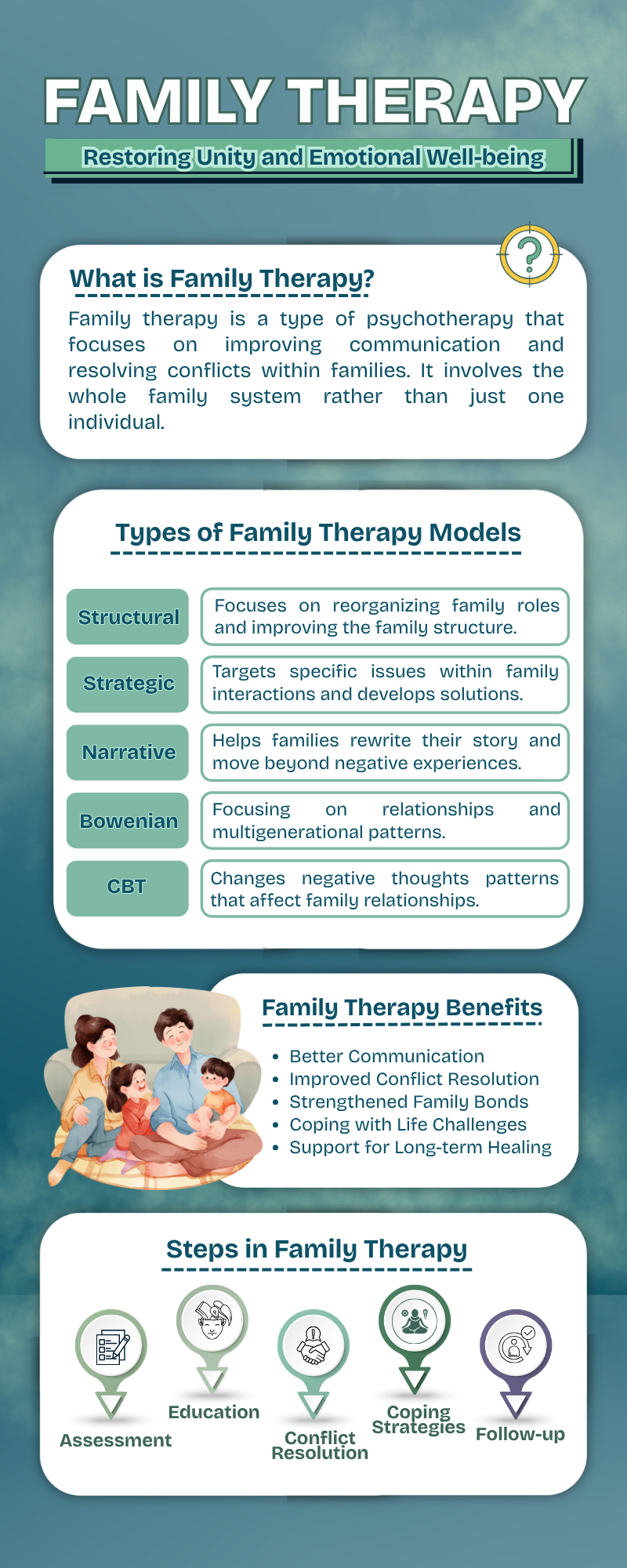
Recognizing the Line Between Supporting and Enabling
Families almost always act out of genuine love and desperation. They desperately want to fix the problem and prevent a public crisis. A protective instinct frequently morphs into unintentional enabling behavior.
You might find yourself calling in sick for your loved one or making excuses to their boss. Covering their financial mistakes or absorbing their verbal abuse removes the natural consequences of their illness. Shielding them from reality prevents their brain from registering the true danger of their situation.
Removing natural friction actually delays them from getting the professional psychiatric help they need. The individual never feels the true weight of their condition when someone else absorbs the shock. Setting firm boundaries is clinically necessary to start genuine behavioral change.
Shifting from a rescuer to a structured supporter takes practice and professional guidance. It is the most effective way to help a struggling relative face their illness.
How Clover Behavioral Health Supports NH Residents
Flexible Outpatient Care Models (PHP & IOP)
Our mental healthcare clinic offers specialized clinical solutions for adults struggling with mental health challenges. We use Partial Hospitalization Programs and Intensive Outpatient Programs to provide intensive daily therapy. These stepped-up models provide the therapeutic structure of a residential facility without the isolation.
A major clinical advantage is preserving your loved one’s personal autonomy. They receive elite daytime psychiatric care without leaving their home. Outpatient programming lets them heal while staying connected to their primary support system in New Hampshire.
Sleeping in their own bed protects their natural circadian rhythm. Achieving deep REM sleep is biologically vital for neurological recovery and memory consolidation. They get to practice new coping skills in their actual living environment.
Bringing real-world challenges back to their therapist the next morning ensures rapid behavioral adjustments. Integrated therapy creates sustainable neuroplasticity and real confidence.
Guide Your Loved One Toward Healing Today
Starting a conversation about mental health can be one of the most meaningful ways to show someone you care. You do not have to navigate the healthcare system or figure out the next steps alone. With the right guidance, you can help your loved one explore treatment options and take the first step toward recovery.
Clover Behavioral Health’s compassionate admissions team is here to help. We offer confidential consultations to help families understand available treatment options, plan a supportive approach to difficult conversations, and verify insurance benefits before treatment begins.
Call 978-216-7765 or visit cloverbehavioralhealth.com to speak with our team and learn how we can support your family.