
What to Expect as a Family Member of Someone in Treatment
You are left confused when a family member enters treatment. All you get is a phone number, a clipboard, and a vague instruction to “be supportive.” (Supportive how, exactly, is left to improvisation.)
The stakes of getting it right are real. Family involvement in treatment has been linked to higher engagement and retention, which is a clinical way of saying people tend to stay in care longer when someone in their corner shows up. Showing up doesn’t require perfect words. It requires knowing what’s happening and when.
Family members of the treated should expect a three-stage process: stabilization, active involvement, and return home. This is the stage-by-stage guide no one gave you.
Stage 1: Intake and Stabilization (Roughly the First 5 to 10 Days)
The first stretch belongs to the clinical team, and it’s often the hardest one for families. You may feel relief, guilt, fear, and anger, sometimes all before lunch. That’s normal. This is what happens on the other side of the door.
The Clinical Work
For substance use, the first steps are usually medical detox, where staff track withdrawal so the body can rest easy. The mental health goal is stabilization. Safety. Sleep. Sometimes med changes. Clinicians always conduct thorough assessments to determine a diagnosis and develop a personalized treatment plan, regardless. Much of it happens behind-the-scenes, but it is a lot of work.
Limited Contact Can Confuse You
Many programs will restrict or suspend contact early on, often called a blackout period. It can feel like you’re locked out. This isn’t a punishment. Neither is it a judgment on your relationship. Instead, a low-stimulation environment lets your loved one focus on getting better without every old conflict, guilt trip, and family group chat showing up at the same time. (Policies vary, so ask about yours at admission.)
You can use the quiet on purpose. Sort out the practical things like work, pets, and bills. Write down your questions for the first call. Ask whether the program accepts letters.
How Information Reaches You
Your loved one has to sign a release of information (ROI) before staff can share anything with you. No one gets information without that consent, not even family. Programs covered by federal substance use privacy rules can’t even confirm anyone if someone is a patient. Consent can be withdrawn at any time too. If the updates sound vague, it’s often privacy law, not secrecy.
Once the ROI is signed, communication typically runs through a primary therapist or caseworker. You can ask who that person is, when they take calls, and what they’re allowed to share.
Stage 2: Ongoing Treatment and Active Family Involvement
Once your loved one is stable, the work shifts from settling in to changing, and this is where you stop being a spectator. Families are often invited in, not because they caused the problem, but because they’re part of the system recovery that happens inside.
Family Education
Many programs teach families how addiction or mental illness works: that it’s a health condition and not a character flaw. They are educated on what triggers look like and why recovery moves in cycles instead of straight lines. Hearing “it’s a disease” is one thing. Understanding why the same argument keeps happening every Sunday night is another.
The payoff can be measurable. In preliminary testing with veterans in PTSD treatment, dropout was cut in half when a family member took part in a brief education program.
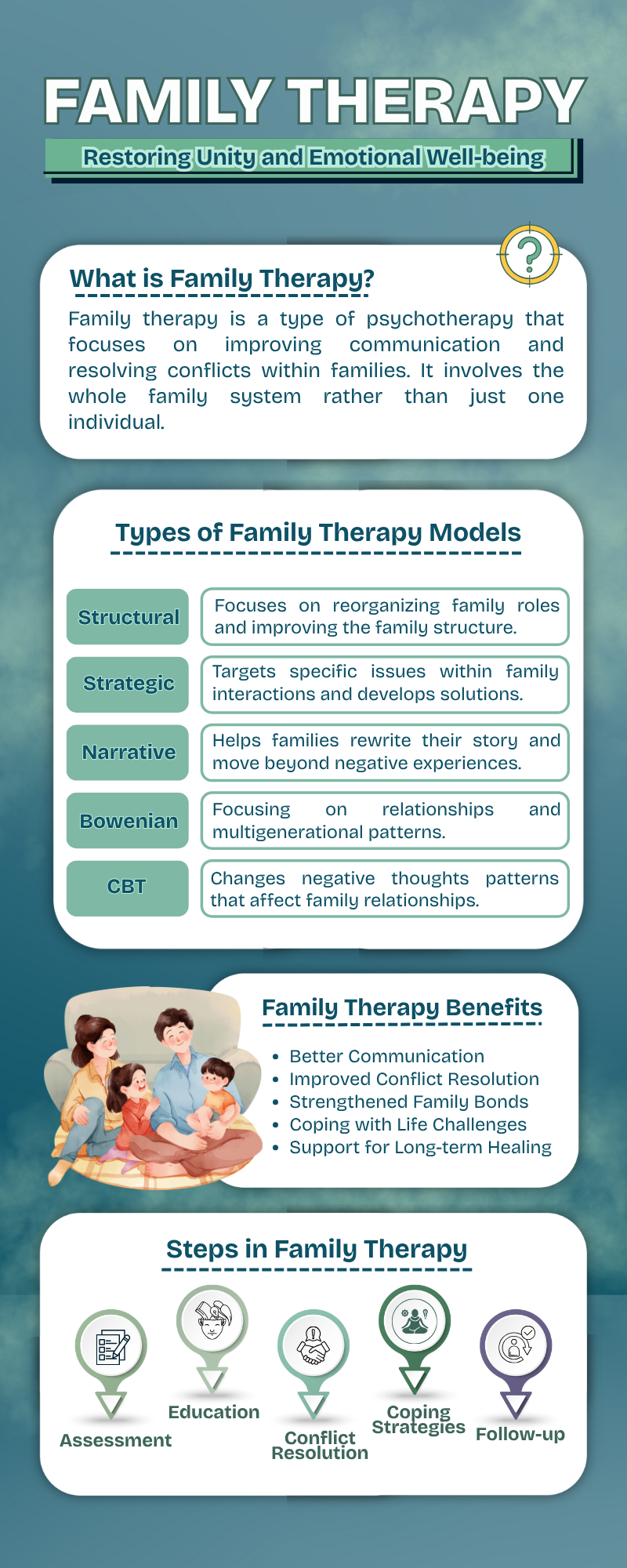
Family Therapy Sessions
These sessions aren’t a trial where you’re on the stand. They exist to rebuild trust and repair how you talk to each other, which after months or years of crisis is usually a tangle of silences and shouting. Expect to hear hard things and to say a few. Many programs offer sessions in person or by video, so distance doesn’t have to lock you out.
A good therapist will also help name patterns like codependency and enabling. Enabling rarely looks like villainy. It looks like covering for a missed shift, paying the late bill, or smoothing things over to keep the peace. (Love and enabling can wear the same clothes.) Naming it isn’t blame. It’s the first step toward doing something different.
Boundaries and Expectations
You probably will be working on clear, healthy boundaries before your loved one comes home. Things you can help them with, what you can’t, and what happens if they relapse or use. This could be a boundary: “I’ll drive you to your appointments, but I won’t give you money.” Boundaries are not a threat. They are the rules that hold a relationship together. Say them softly, before discharge, not in the kitchen at midnight.
Stage 3: Preparing for Discharge and Aftercare
Treatment doesn’t end at the front door, and neither does your role. This last stage is about making the return home softer than the landing.
Discharge Planning and Step-Down Care
Usually the team will have a step-down plan in place prior to discharge. It can be partial hospitalization, intensive outpatient, outpatient, individual therapy, medication management, or sober living. Request to see it. You can inquire more about your expected role and the warning signs to watch for.
Decide ahead of time who you’ll call on a bad night. Keep 988 on hand, too, because you can call or text them any hour.
Coming Home: Dos and Don’ts
The dos:
- Support ongoing treatment. Drive to appointments if asked, and celebrate small wins.
- Encourage new, healthy routines and hobbies, because an empty calendar is fertile ground for old habits.
- Keep your expectations realistic. They’ll be different now, and so will you.
The don’ts:
- Don’t micromanage. Checking pockets and phones swaps trust for surveillance.
- Don’t expect overnight perfection. A setback isn’t proof that treatment failed. It’s information for the care team, not a verdict.
- Don’t ignore your own needs. You’ve been carrying this too.
Support for You
Nar-Anon provides peer support for drug use and Al-Anon for friends and family of those affected by alcohol. Al-Anon meetings are free, and no referral or registration is required. Nar-Anon meetings are in person, online, and over the phone. Both of them focus on your healing and not their own.
These are peer fellowships, not therapy, so if you’re struggling with your own grief or anxiety, you should also consider a therapist.
Final Words
There’s no script for this. There are only scenes: the quiet first week, the uncomfortable family sessions, and the careful first weekend back home. You won’t play any of them perfectly, and nobody expects you to. Showing up is the biggest part. Patience, and looking after yourself along the way, is the rest.
If someone you love is heading into treatment, or you’re still working out where to begin, Clover Behavioral Health is a place to ask your questions and learn how families can be part of the process.