

Mental Health Treatment Near Me Accepting Insurance in NH
Finding mental health treatment in your area should be simple. Just type it in, choose a name, and book a time. Instead, you get a directory that is a treasure map, with a big X on every page and, more often than not, an empty lot underneath it.
You’re not the only one following that map. About one in three people enrolled in New Hampshire’s Medicaid expansion used mental health or substance use services, and more than 25,000 received mental health treatment in a single fiscal year. Needing care is common here. Finding it is where things get hard.
How Insurance Works for Mental Health Care in NH
Start with what you hold.
If you’re on Medicaid, New Hampshire’s expansion program is called Granite Advantage. Adults ages 19 up to 65 with household income at or below 133 percent of the federal poverty level may be eligible. Coverage runs through NH Healthy Families, Well Sense NH, or AmeriHealth Caritas NH, and savings and other assets aren’t counted. Medicaid and CHIP are open year-round, so there’s no enrollment window to wait for. One honest note: rules are shifting, including work requirements. Advocates estimate about 20,000 Granite Staters could lose coverage because of them, so keep your paperwork tidy and confirm your status before you book.
If you have private or Marketplace coverage, you will most often see names like Anthem Blue Cross Blue Shield, Harvard Pilgrim, WellSense, and Ambetter from NH Healthy Families. Tufts Health Plan merged with Harvard Pilgrim in 2021, so if you have a Tufts card, it’s the same family behind it. Ambetter members should be aware that the carrier is leaving the NH Marketplace at the end of 2026, and its enrollees will need to choose new coverage when open enrollment starts November 1.
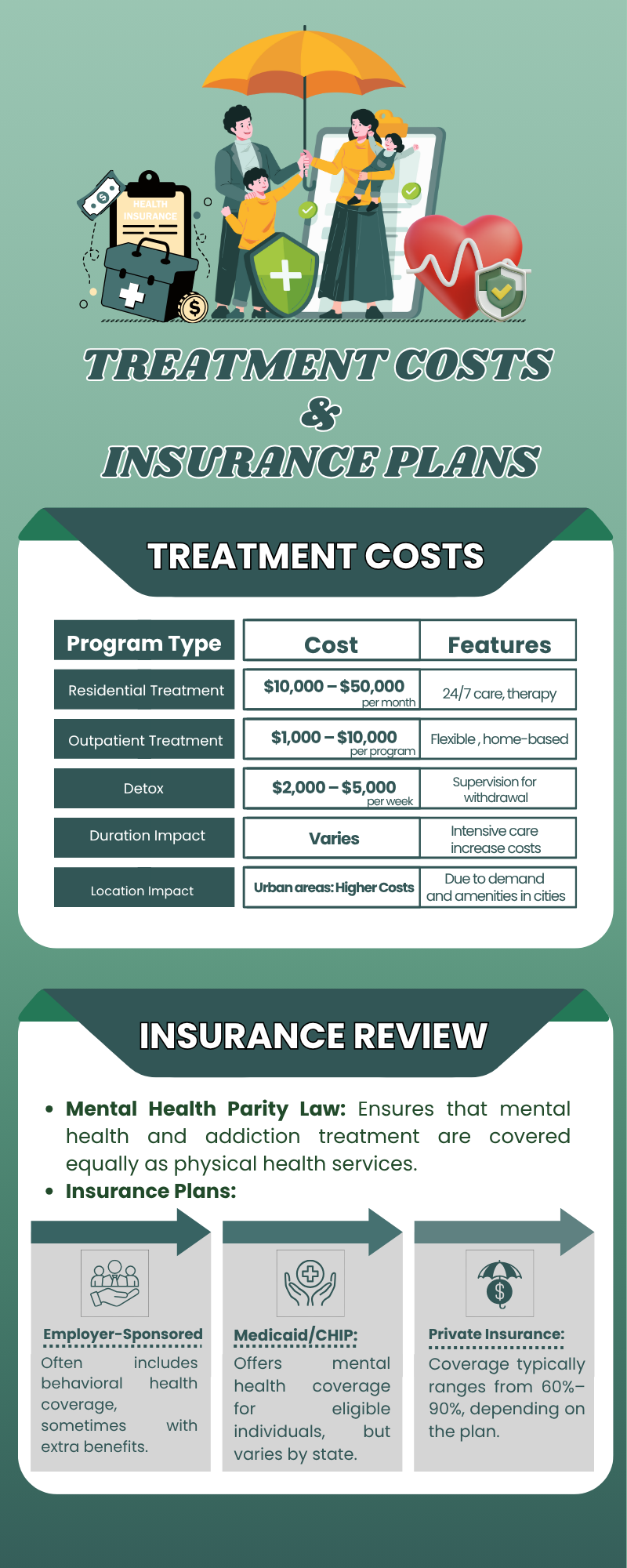
In-network vs. out-of-network is where costs quietly split. An in-network provider has agreed on rates with your plan, so you pay your copay (a flat fee per visit) or coinsurance (a percentage of the bill). With an out-of-network provider, that could mean a higher percentage, a separate deductible (the amount you pay before your plan starts paying), or no coverage at all. Your deductible plays a bigger role than most realize. It can make your first few sessions full-price visits.
Parity laws are your quiet advantage. The federal Parity Act of 2008 says insurers must cover mental health and substance use treatment roughly on par with physical health treatment, and the NH Insurance Department enforces those rules in the state. Using your coverage for therapy isn’t a favor you’re asking for. It’s what the plan is for.
Types of Care and Where to Look
Care comes in levels, and you don’t have to guess your way through them.
Outpatient therapy and psychiatry is the familiar starting point. You’ll find it in private practices and in community mental health centers (CMHCs). The state has 10 CMHCs that cover all of New Hampshire, and they accept private insurance as well as Medicaid and Medicare. Names you may recognize include Greater Nashua Mental Health, the Mental Health Center of Greater Manchester, the state’s largest outpatient center, and Seacoast Mental Health Center in Portsmouth.
Intensive outpatient (IOP) and partial hospitalization (PHP) programs are for needs that outgrow weekly sessions but don’t require an overnight stay. You get several hours of clinical support and still sleep in your own bed.
Inpatient and residential treatment is for crisis stabilization or intensive recovery, including co-occurring substance use and mental health conditions. Needing a higher level of care isn’t failure. It just means the care is finally matching the weight.
How to Find a Provider Who’s Actually Taking Patients
Directories are often wrong. In one Senate Finance review, 80% of 120 provider listings were inaccurate or unavailable, and only 22 were in-network and accepting new patients. That’s a national finding, not an NH one, but it will feel familiar the first time a promising match never calls back. So work in three steps.
- Start with your insurer. Log into your provider portal or call the number on the back of your card, and ask for a list of in-network behavioral health providers.
- Cross-check with search tools. Psychology Today, SAMHSA’s FindTreatment.gov, and TherapyDen let you filter by NH and by your insurance plan.
- Call to verify before you book. Ask: “Are you currently taking new patients with [plan name]?” Then: “Are you in-network for my exact plan?” (“We take your insurance” and “we’re in-network” are different sentences with different bills.) Ask what the wait is for a first appointment, and “Are telehealth appointments covered under my plan?”
That last question matters in a state this spread out. Whether you’re in Manchester, Nashua, Concord, on the Seacoast, or up in the North Country, video sessions can widen your options fast. Write down the date and who you spoke with, because a name on a page is very hard to argue with later.
Top 3 Barriers That Can Get in Your Way
Even with coverage, the road can have potholes. Here’s what helps.
Long Waitlists
Ask to be added to the cancellation list, and tell the office you can take a last-minute slot. Ask whether a colleague has an earlier opening. Consider telehealth or online therapy platforms, but confirm they accept your NH plan first. If things feel urgent, Rapid Response can help you get seen sooner.
Insurance Isn’t Accepted, Or You’re Uninsured
You still have options. Some CMHCs use income-based pricing, and Greater Nashua Mental Health, for example, runs a sliding fee scale, so patients pay according to income. Federally qualified health centers (FQHCs), the community health centers you’ll see across the state, also charge on a sliding scale, and many offer behavioral health services. Call and ask.
Your Insurer Says No
A denial isn’t the last word. Ask for the reason in writing, and let your provider’s documentation do some of the talking. If something still feels off, a network so thin that you wait longer or drive farther than you would for physical care may be an unequal barrier, and you can call the NH Insurance Department at 800-852-3416.
Final Words
A directory can point you toward care, but it can’t walk in with you. That part is a phone call, a couple of honest questions, and the decision to keep going after the first dead end.
You’ve got the map now. Use it, and don’t be discouraged when it’s wrong once or twice. If you’d like a shorter route, visit Clover Behavioral Health to verify your insurance and talk through what care could look like for you. No pressure, and no fine print.