
Signs You May Need Mental Health Treatment in Salem, NH
How long have you been saying you’re fine when you’re not?
Not the polite “I’m fine” you give the cashier at Market Basket. The deeper pretending. The kind where you’ve convinced yourself that this level of exhaustion, this amount of dread, and this constant static in your head. It’s just normal now. Just part of being an adult. Just what happens when you’re busy.
The Bell Jar presents Sylvia Plath’s experience of feeling confined under glass, which prevents her from breathing while she observes others who breathe freely. The worst part? She keeps showing up. She maintains her smile. She continues her daily activities. She will reach her breaking point at some point.
People experience mental health decline because they cannot show their symptoms to others. The condition shows itself through continuous gradual progression, which leads to a state where you can no longer remember your last moment of normalcy.
The Myth of “Bad Enough”
People in Salem spend an average of eleven years before they receive medical treatment after their first symptoms appear. People need to consider which activities they performed eleven years ago at this moment in time. Everything that’s happened since. Now imagine spending all of it needlessly struggling.
Why do we wait? Well, there’s this unspoken belief that you have to earn the right to get help. That your pain needs to reach some arbitrary threshold. That you should be able to handle it yourself.
You wouldn’t wait until your tooth falls out to see a dentist. You wouldn’t let a broken bone heal crooked because you didn’t want to bother anyone. Yet with mental health, we act like suffering is a prerequisite for treatment rather than the reason for it.
When Your Body Starts Keeping Score
Sleep becomes strange. Not just occasional insomnia. That happens to everyone. This is different. You’re exhausted but can’t fall asleep, or you sleep ten hours and wake up more tired than when you went to bed.
Your doctor checks your thyroid. Runs blood work. Everything comes back normal. “Just stress,” they say. “Try melatonin.”
However, six months later, you are still dragging. And now there’s other stuff. Headaches that won’t quit. The stomach issues persist for an unknown reason. Your chest pain that you’ve already had checked three times. Not your heart, they assure you, but it does seem as though something was wrong.
There are instances when the body speaks when the mouth will not. So once physical symptoms remain without a medical explanation, it is worth inquiring what your body is attempting to convey to you.
The Great Withdrawal
You used to enjoy things. Book club on Thursdays. Hiking up Mount Agamenticus. Even just grabbing coffee with Sarah felt good.
Now? Everything feels like effort. You cancel. Make excuses. It is not that you do not like these people and activities. You simply do not have the energy to care. The concept of chit-chat is intolerable. Easier to stay home. Easier to be alone.
Before you see it, your friends do. “You okay? We haven’t seen you in weeks. And you say, “Yeah, I am just busy,” although you spent all of last Saturday staring at your phone and not doing anything.
Social withdrawal is not introversion. Introversion is choosing solitude to recharge. This is different. This is isolation that doesn’t refresh you. It just makes the world feel smaller and quieter and farther away.
When Your Emotions Run the Show
Maybe it’s the irritability. Snapping at your partner over dishes. Getting unreasonably angry at the person driving too slowly. Feeling a rage that doesn’t match the situation. Maybe it’s the opposite. The flatness. Where nothing feels good or bad, just gray. You’re not sad exactly. You’re just… nothing. Going through motions. Playing a part.
You experience mood swings that leave people around you walking on eggshells. Fine, one minute. Falling apart the next. And you can’t explain why. There’s no trigger. No reason. It just happens.
Emotional dysregulation isn’t a character flaw. It’s not weakness or drama. It’s your nervous system struggling to maintain equilibrium. And it’s treatable.
The Coping Mechanisms That Stop Working
You’ve always had your ways of dealing. A drink after work to unwind. Smoking a little weed on weekends. Scrolling social media when anxious. Worked fine for years.
Except now it’s not fine. Now it’s two drinks. Three. Now it’s every night instead of occasionally. Now the weed isn’t helping you relax. It’s just making you numb enough to tolerate how you feel.
Have you started to work late at night? Filling every minute so you don’t have to think. Productivity as avoidance.
When your usual toolkit stops working, that’s a sign. Not of failure. Of a problem that’s outgrown the solutions you have.
What Treatment Looks Like In Salem, NH
Getting help doesn’t mean you’re broken. It does not imply that you will be in therapy forever and on medication until death.
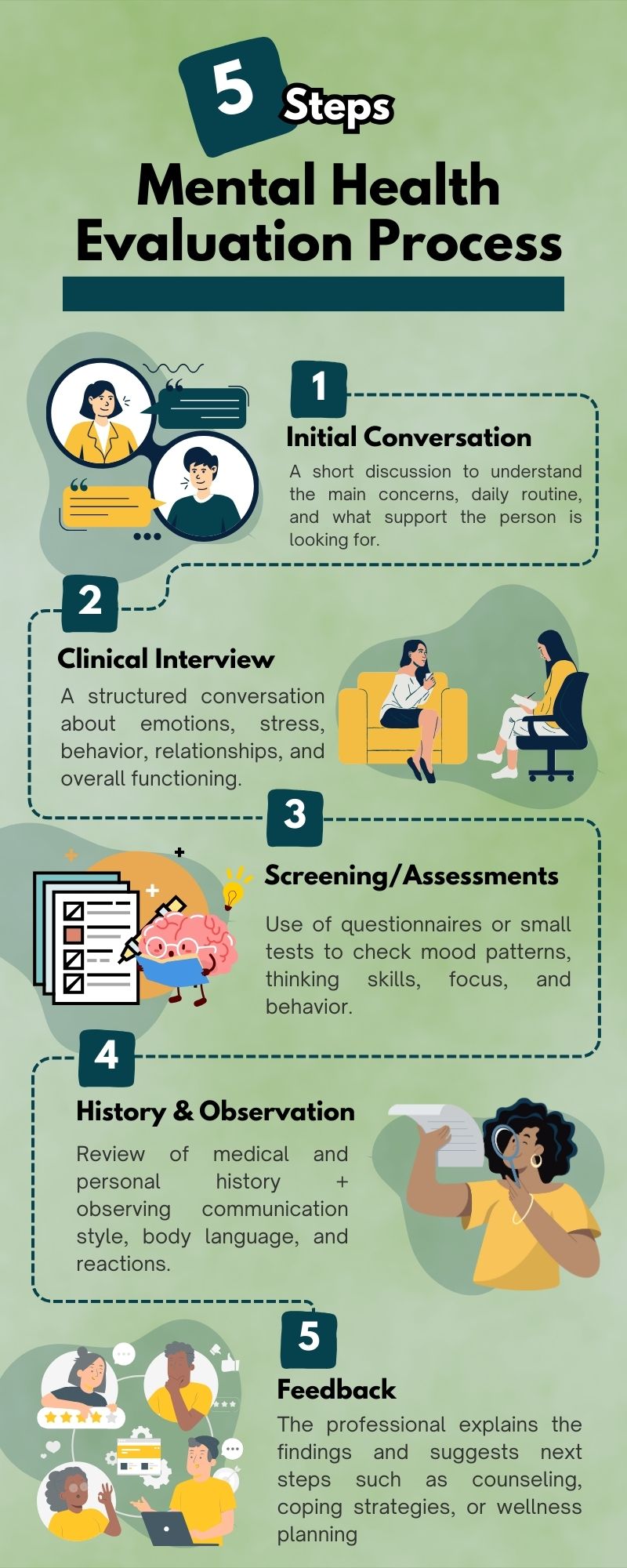
What it does mean is that someone trained to help will actually listen. Will ask the specific questions that identify what’s happening. Will use tools like the psychometric scales to measure what’s measurable and create a baseline.
Treatment might be therapy alone. Thought-altering cognitive-behavioral methods. Relationship-based interpersonal therapy. It might be medication. Or both. The study is self-evident: moderate to severe symptoms respond to combination treatment.
The sooner it is acted on, the better. Period. The one who seeks assistance when things become hard is the one who recovers faster than the one who waits till crisis.
Final Words
If you’re reading this and thinking, “Yeah, but I’m not that bad.” Stop. That thought right there is the problem. You don’t need to be at rock bottom to deserve help. You don’t need to prove your suffering is sufficient.
At Clover Behavioral Health in Salem, we see people every week who waited too long. Who thought they should be able to handle it. Who did not wish to trouble anybody. And each and every time, they say the same thing afterward: I wish I had come in sooner.
Call us at 978-216-7765. Bring your exhaustion. Your confusion. Your I do not know whether this counts or not. We’ll figure it out together. With precision. With compassion. You need to know that there is nothing wrong with seeking assistance. Instead, it is the wisest thing you can do.