

Navigating the Next Chapter: How to Support Your Recovery After Completing IOP in Salem, NH
When it comes to recovery, completing an Intensive Outpatient Program is a monumental achievement in your mental health journey. The reason is simple: balancing rigorous therapy with daily life in southern New Hampshire, and then managing the demands of everyday life while also maintaining your recovery, all requires immense dedication.
Clinical data shows that in 2026, some individuals who actively engage in structured aftercare reduce their risk of relapse by up to 60% within the first year. The problem is that finishing an IOP and not transitioning to ongoing aftercare often triggers unexpected discharge anxiety. Losing the safety net of weekly structured therapy feels intimidating. You might worry about losing your hard-won stability without a daily clinical routine.
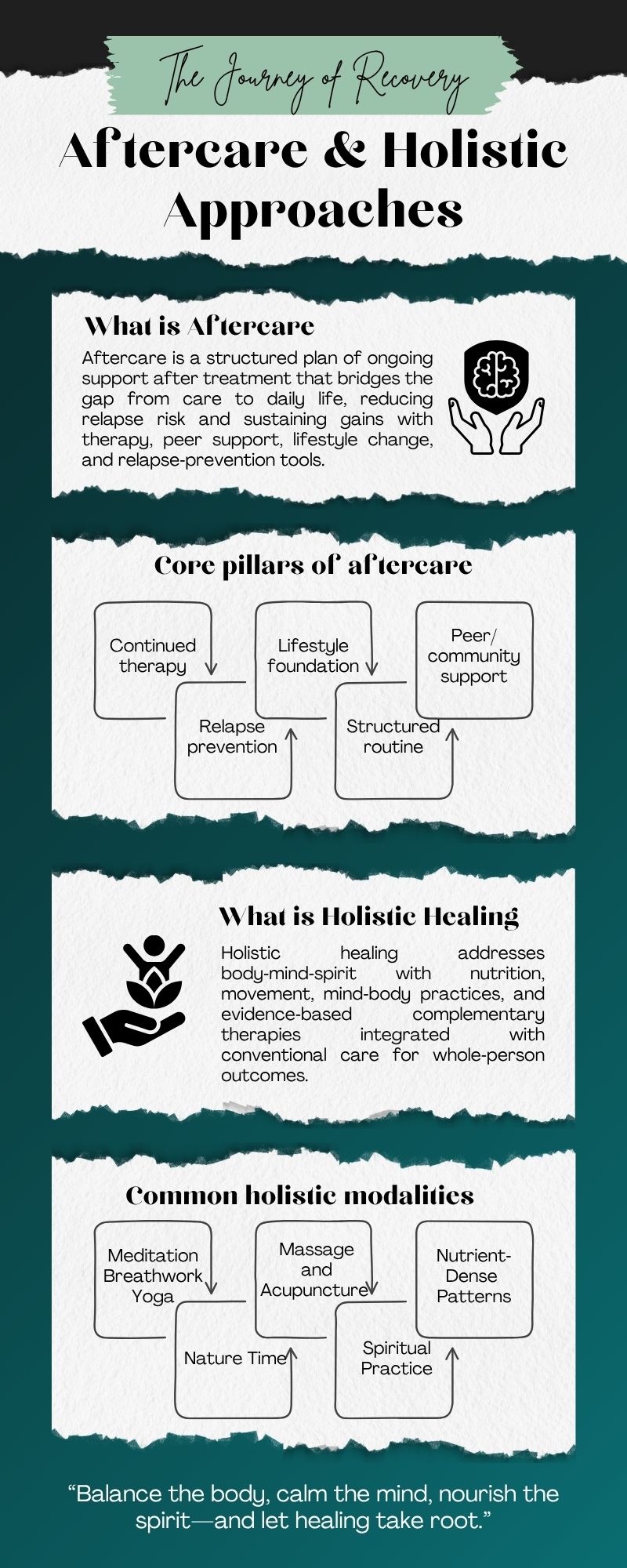
It is important to understand that graduation from an IOP is not the end of your recovery. It is a milestone and a transition into guided independence. A robust aftercare plan, built on skills learned at Clover Behavioral Health, supports long-term recovery and helps you maintain stability.
The Psychological Shift: Why Leaving an IOP Can Feel Overwhelming
The Shock of Decreased Clinical Density
An Intensive Outpatient Program acts as a powerful biological container for your emotional distress. Clients rely on immediate access to peer groups and psychiatric support to process acute triggers. The nervous system becomes accustomed to this daily clinical regulation and co-regulation.
Removing that structured environment requires a rapid shift toward internal emotional regulation. You no longer have a therapist down the hall to intercept a rising panic attack. The prefrontal cortex must now manage sudden spikes in cortisol and adrenaline on its own.
Moving away from the clinic often causes a temporary resurgence of anxiety. The amygdala registers the loss of the clinical safety net as a potential physical threat. You must intentionally activate your newly acquired coping mechanisms to soothe this biological alarm system.
Anticipating Real-World Triggers and Stressors
Returning to a full work schedule in Salem immediately tests your new neural pathways. The corporate environment and complex family dynamics present unpredictable psychological hurdles. You will inevitably face scenarios that previously triggered a desire to self-medicate or isolate.
Navigating these stressors requires active and conscious cognitive effort. Your brain will instinctively revert to old survival habits during moments of intense pressure. Recognizing these environmental triggers is clinically necessary to maintain your emotional baseline.
You must apply your distress tolerance skills in real time. Practicing these techniques outside the clinic reinforces the neuroplastic changes achieved during intensive treatment. Every successful interaction strengthens your permanent defense against future executive burnout.
Building a Sustainable Aftercare Strategy in New Hampshire
The Critical Role of a Structured Aftercare Plan
A comprehensive aftercare plan is a non-negotiable component of lasting neurological healing. Stepping down from intensive care usually involves transitioning to traditional outpatient therapy. Meeting with a local clinician once a week provides vital ongoing accountability and perspective.
You must also maintain consistent psychiatric appointments for medication management. Brain chemistry remains vulnerable during the first several months of independent recovery. Adjusting your dosage without medical supervision invites a rapid return of depressive symptoms or mood instability.
Ongoing therapy creates a reliable bridge back to everyday life in the Merrimack Valley. It offers a dedicated space to process the friction of your newly established boundaries. Consistent clinical support prevents minor setbacks from spiraling into a psychological relapse.
Applying CBT and DBT Skills Outside the Clinic
The cognitive tools you learned at Clover Behavioral Health are designed for active field use. Cognitive Behavioral Therapy teaches you how to intercept destructive thought loops before they dictate your actions. You can use these thought-stopping techniques to neutralize panic during a tense workplace meeting.
Dialectical Behavior Therapy provides the framework for navigating intense interpersonal conflict. Skills like radical acceptance allow you to process difficult family interactions without shutting down emotionally. You learn to observe the discomfort instead of reacting impulsively to it.
These evidence-based modalities keep your sympathetic nervous system grounded. Utilizing somatic grounding exercises regulates your vagus nerve during unexpected daily stress. Implementing these tools transforms theoretical clinical concepts into sustainable life skills.
How Clover Behavioral Health Prepares You for the Next Step
Collaborative Discharge Planning
Discharge from our Salem facility is a carefully orchestrated transition rather than an abrupt exit. Our clinical team begins mapping out your step-down care weeks before your final day. We ensure you have a tangible roadmap for the future.
Clinicians work collaboratively with you to identify specific relapse warning signs unique to your nervous system. We secure your upcoming appointments with weekly therapists in the local community to prevent any gaps in care. Building this external support network removes the logistical friction of finding new providers.
We establish clear and personalized relapse prevention protocols. Knowing exactly who to call during a crisis prevents the brain from reverting to panic mode. Preparation is the ultimate defense against post-treatment anxiety.
Reintegrating the Family System
Completing an intensive program requires your entire household to adjust to a new dynamic. The family unit must evolve alongside your personal neurological growth. Spouses and relatives often need guidance to understand your newfound autonomy.
Our clinical team ensures your family receives robust psychoeducation before you discharge. We teach them how to communicate effectively without falling back into old patterns of codependency. Loved ones learn to support your boundaries rather than enabling destructive habits.
Healing the home environment secures your long-term success. The physical bodies of family members must also release the shared tension of your past crisis. A unified and educated household provides the strongest possible foundation for lasting stability.
Also Read: Signs a Loved One Needs Mental Health Treatment in NH
Stay Connected and Protect Your Long-Term Recovery
Recovery from mental health or substance use disorder is a lifelong journey of growth and adaptation. Experiencing friction during your transition back to daily life is a normal part of the healing process.
While people wrongly assume it as a sign of weakness, reaching out for a clinical tune-up during a difficult season actually demonstrates genuine self-awareness and resilience. You never have to navigate these evolving challenges alone.
Our dedicated team is always available to help you secure step-down care or reconnect you with therapeutic support if your stability begins to slip. We will gladly help you navigate your insurance benefits and find the right post-treatment resources. Call 978-216-7765 or visit cloverbehavioralhealth.com to speak with our team and learn how we can support your family.