

Bipolar Disorder Treatment in Salem, NH: 2026 Guide
“When moods swing hard, time matters more than people think.”
At Clover Behavioral Health, we know that Bipolar Disorder Treatment in Salem, NH can change the course of daily life when symptoms are recognized and treated early. Bipolar disorder is a manageable medical condition, but manic episodes can last a week or longer, while hypomanic episodes last at least four days, which is why waiting too long can make life harder at home, at work, and in close relationships.
The good news is that local care in Salem includes psychiatry, therapy, and structured outpatient support. In this article, we explain the signs, compare Bipolar I and Bipolar II, and walk through treatment options that help people move toward steadier, more stable days.
Understanding the Spectrum: Bipolar I vs. Bipolar II Disorder
Bipolar disorder is not one single picture. Bipolar I includes at least one manic episode, while Bipolar II includes at least one hypomanic episode plus at least one major depressive episode. Both types can bring painful depressive phases, and published review data shows that depressive symptoms make up about 75% of symptomatic time for many patients. That’s one reason people are often misread at first. They may seek help for depression long before anyone spots the full mood pattern.
Evidence-Based Options for Bipolar Disorder Treatment in Salem, NH
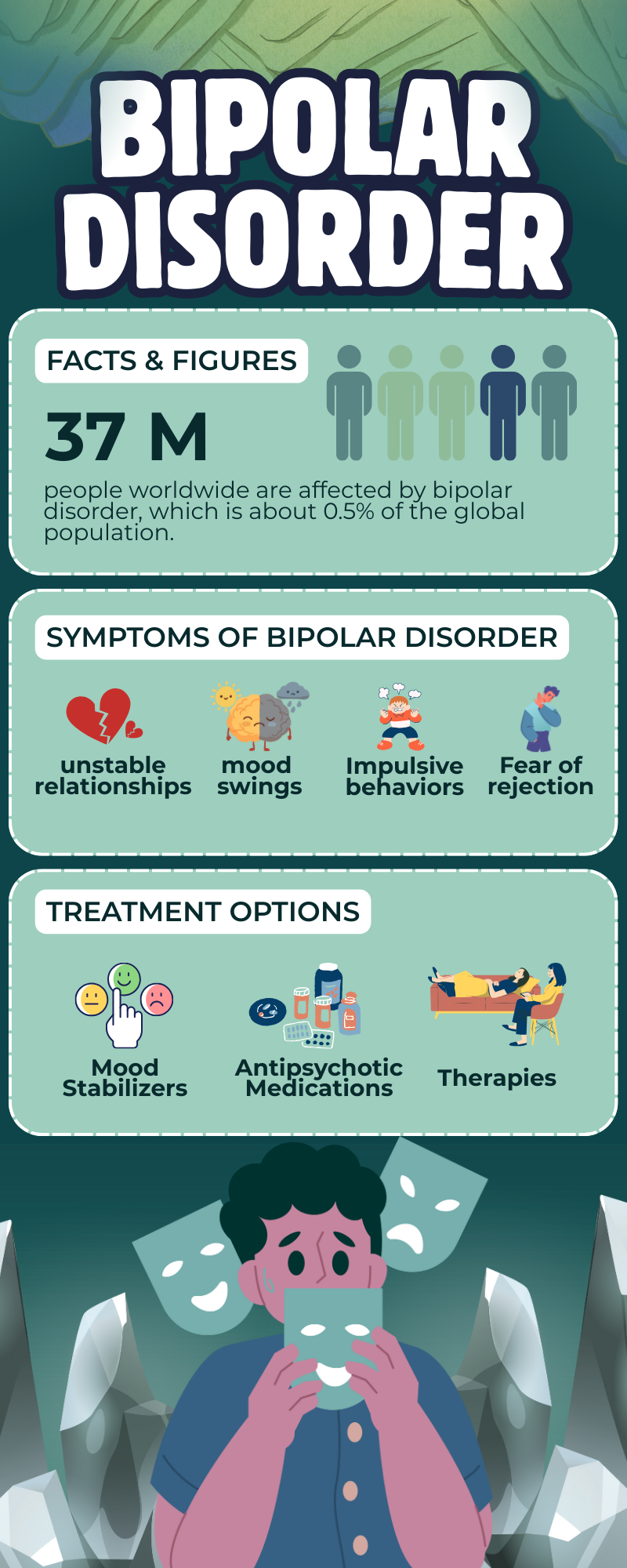
Good bipolar care rarely rests on one fix. Most strong treatment plans mix psychiatry, therapy, routine tracking, and support that fits real life in Salem. Published review data lists mood stabilizers such as lithium, valproate, and lamotrigine as first-line long-term treatment, and some patients also need atypical antipsychotic medicines.
- Psychiatric Medication Management: Mood stabilizers such as lithium or lamotrigine can help steady mood swings over time, while some people also use atypical antipsychotics based on symptom pattern and clinical judgment.
- Cognitive Behavioral Therapy (CBT): CBT helps people catch distorted thinking during mood shifts and replace it with steadier habits. It’s a bit like fixing a crooked mirror so you can trust what you see again.
- Interpersonal and Social Rhythm Therapy (IPSRT): IPSRT focuses on stable sleep, daily routines, and trigger awareness. For bipolar disorder, routine is not boring. It’s often protective.
- Family-Focused Therapy: Family sessions can lower stress at home, improve communication, and help loved ones spot mood changes earlier.
- Dual-Diagnosis Support: Some people live with bipolar disorder and substance use problems at the same time. In those cases, linked treatment can make care more realistic and easier to stick with. You can read more about our intensive outpatient programs in Salem, where Clover describes CBT-based care and integrated support close to home.
One clinical point matters here. Antidepressants are not recommended as monotherapy for bipolar disorder, which is why a plain depression plan may miss the mark when mania or hypomania is part of the picture. That detail can save people months, or even years, of trying the wrong path.
Localized Levels of Care in Rockingham County
Outpatient Psychiatry and Counseling
Outpatient care works well for people who need ongoing check-ins, medication follow-up, and therapy without stepping away from work, school, or family life. It gives patients a steady place to track sleep, mood changes, side effects, and early warning signs before a rough patch turns into a crisis.
Intensive Outpatient Programs in Salem
IOP sits in the middle ground. It offers more structure than weekly therapy, yet it does not require overnight stays. Clover’s Salem page describes a local IOP model built around evidence-based therapy, group care, and support that stays close to daily life. That local piece matters because shorter travel time can make it easier to keep showing up when energy drops or life gets messy.
Real-World Recovery: A Clinical Bipolar Treatment Case Study
Think of “Patient E” as a composite example drawn from common treatment patterns rather than one named local person. He is 34, works full time, and has rapid-cycling Bipolar I that was first treated as plain depression. At first, he tries antidepressant-only care and keeps crashing. Later, his plan shifts to lithium, an atypical antipsychotic, weekly CBT, and tighter sleep tracking. That kind of multi-part care lines up with published review guidance, which supports mood stabilizers and selected antipsychotics as core treatment and warns against antidepressant monotherapy.
Over the next year, his life does not turn into a movie montage. It gets quieter than that. He misses fewer workdays. He catches triggers faster. His partner stops feeling like every week is a coin toss. That kind of progress fits what published bipolar review data shows about earlier diagnosis and ongoing treatment being linked with a better prognosis.
Overcoming Barriers to Bipolar Disorder Treatment in New Hampshire
- Health Insurance: Start with a benefits check. Many clinics will review coverage before care begins, and patients often ask about plans such as Anthem Blue Cross Blue Shield or Harvard Pilgrim. A short call now can prevent a nasty surprise later.
- Social Stigma: Shame keeps many people quiet long after symptoms begin. Yet bipolar disorder is a medical condition, not a character flaw. Local peer support, family education, and a steady care team can reduce isolation and help people speak up sooner.
- Treatment Adherence: Medicine side effects, poor sleep, and chaotic schedules can knock treatment off course. Published review data shows that more than half of patients are not fully adherent, which makes close follow-up and side-effect monitoring a real part of care, not an extra.
FAQs
What is the Single Most Effective Treatment for Bipolar Disorder?
There is no one magic pill or one perfect therapy session. Clinical review data supports a combined plan built around mood-stabilizing medication, with selected antipsychotic treatment when needed, plus structured psychotherapy and long-term follow-up.
Can Bipolar Disorder Be Treated Without Medication?
Lifestyle work and talk therapy can help a lot, especially with sleep, stress, and relapse warning signs. Still, published review data shows that long-term treatment usually centers on mood stabilizers, and antidepressant-only care is not recommended for bipolar disorder.
How Long Does a Typical Bipolar Treatment Program Last?
Bipolar disorder usually needs long-term management, not a quick fix. At the same time, focused local programs such as IOP often run for several weeks to build coping skills, track medications, and steady daily routine before a patient shifts back to lower-intensity care.
Where Can I Find Immediate Crisis Intervention in Salem, New Hampshire?
The New Hampshire Department of Health and Human Services lists mental health support resources for residents, and state crisis support includes calling or texting 833-710-6477. For urgent danger or medical emergency, call 911 or go to the nearest emergency department. You can also use this state resource for New Hampshire Department of Health and Human Services mental health support. For clinical reading, this review on bipolar disorder management data on PubMed gives a clear summary of diagnosis and treatment trends.
Conclusion: Taking Your First Step Toward Balance
Stability is possible, even if life feels scattered right now. With local psychiatric care, therapy, routine building, and close follow-up, people with bipolar disorder can rebuild trust in their days and stop living at the mercy of each mood swing.
Salem residents already have nearby care options, including Clover’s Salem office at 7 Stiles Rd., Suite 101, and local intensive outpatient information published by the clinic. When you’re ready to move from guessing to a real care plan, you can schedule a clinical evaluation with Clover Behavioral Health and take that first steady step.