

5 Signs You Need Mental Health Treatment Near Methuen, MA (IOP Program)
Mental health problems don’t follow a guidebook where a certain thing must happen for them to appear. For instance, it’s a common misconception that if one is facing huge challenges and stresses in life, only they’ll face these struggles. And while life stresses do impact one’s mental health, it’s not always true.
Someone with a perfect on-paper life could be battling depression that makes everything around them feel dull. Similarly, a person in a thriving career might feel extreme bouts of anxiety before doing anything. But whatever the situation is, not updating to a more advanced level of treatment even when things don’t seem to improve shouldn’t be an option.
We often put off treatment until things go out of control, and then, bringing them back to normal takes double the effort. Therefore, today we will discuss some standard and almost always applicable signs that you need more structured mental health treatment near Methuen, MA. Keep reading, and if you notice any of these signs in yourself or a loved one, approach a treatment center for an IOP program.
Symptoms Keep Getting Worse
If you’re taking outpatient treatment but your symptoms are either getting worse or not improving at all, it’s a sign to start more intensive treatment. Sure, weekly meetings with the therapist help you maintain mild conditions, but if a mental health condition is actively progressing, the brain needs more consistent intervention.
Since mental health conditions like major depressive disorder and anxiety damage your prefrontal cortex, your emotions take a hit. Not to mention, simple therapy isn’t enough to fix that damage. Therefore, an Intensive Outpatient Program (IOP) is the next logical step in this situation because of the repetition it offers.
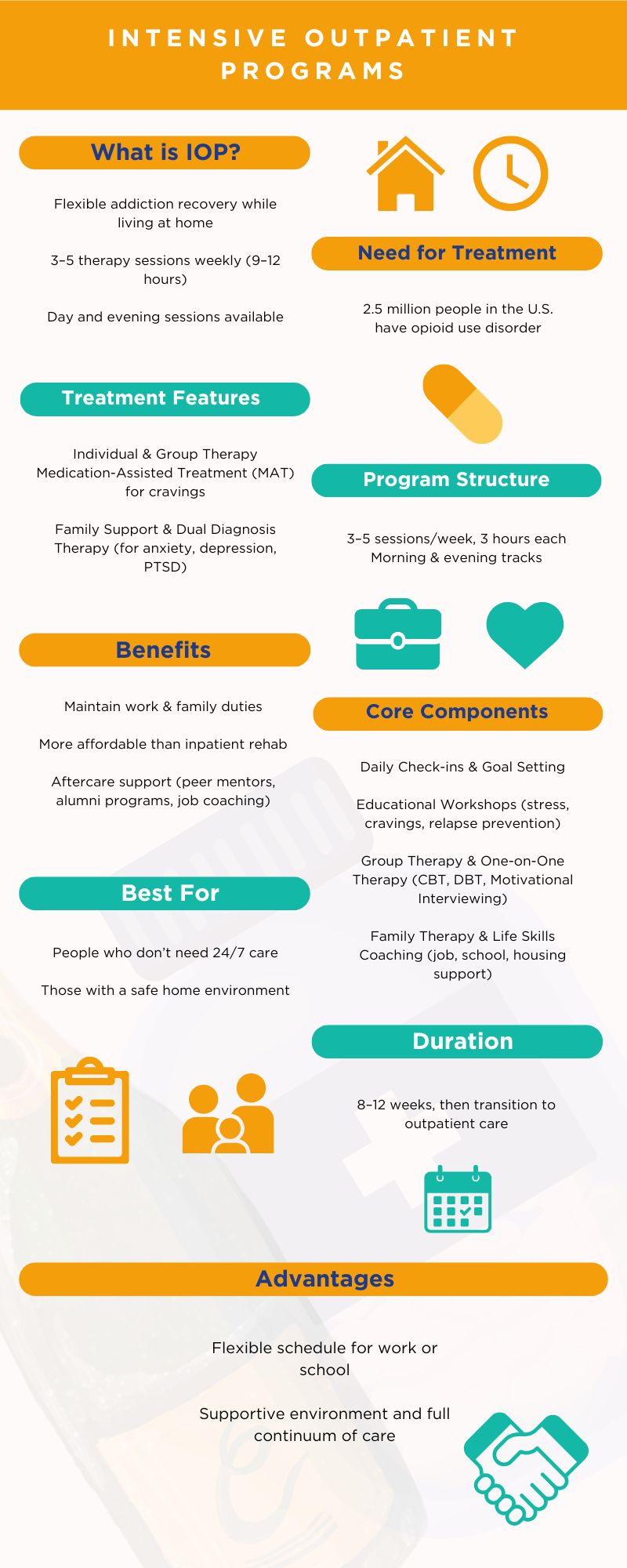
Since you visit a treatment center 3-5 days per week during this mental health treatment near Methuen, MA, you learn to rewire your brain and remember certain patterns that help you out of depressive thoughts. Thankfully, there is enough repetition during an IOP program to solidify that rewiring and show positive changes. So if you have attended a few therapy sessions but don’t see much of a difference, let your therapist know, and they’ll guide you on when to start an IOP program.
Daily Life Feels Unmanageable
Mental health conditions can make even the simplest things feel like monumental tasks. It happens because when your brain is under chronic stress, it burns through the energy you would normally use for focus and decision-making. Naturally, not having that energy means even daily tasks become unmanageable, and that starts showing up fast. For example, one might start ignoring personal hygiene or the efforts to maintain their important relationships. Notably, all these changes slowly creep: you start ignoring responsibilities, stop caring about things, and eventually lose the will to even try.
Sadly, most people seek treatment long after they start experiencing this phase, but if you don’t want further damage done to your mental health, start IOP right away. It will provide consistent support to help you rebuild daily function and live a normal life. Also, if someone you know is noticeably less functional than they were six months ago, that decline needs immediate treatment.
Just Finished an Inpatient Program
Intensive outpatient treatment works like a safe harbor before letting you drift off into the world. If you have recently completed inpatient treatment for addiction or mental health, the experts will have you start IOP for regular support. Instead of weekly therapy or not having any sort of treatment after an inpatient stay, they prefer IOP, so you have regular check-ins and a sense of accountability.
It’s also proven that the few weeks after inpatient discharge are high-risk for recovery because at that time the brain is fragile. Since your coping skills are still new, coming down from consistent support to occasional therapy can easily become risky.
Therefore, centers like Clover Behavioral Health will put you on an IOP program to maintain enough clinical support after an inpatient stay.
Relationships Are Falling Apart
Maintaining relationships is a challenge as it is, and when someone is already struggling mentally, it can easily become a test. A major sign you should move up from therapy to IOP is when multiple relationships in your life start fraying. For example, if your colleagues feel you have become more silent, and your friends complain that you don’t give them time anymore, take that as a big sign.
All this happens when chronic stress floods your brain with cortisol and makes emotional regulation harder. Eventually, even small things start ticking you off, and you lose patience even on non-issues. Since human connections require patience and letting some things go, you start isolating yourself.
It’s also worth mentioning that damaged relationships add their own layer of pain on top of everything else. They create a cycle that feeds your mental health condition, and you definitely need IOP to work on this directly. Put simply, if your relationships are suffering and nothing obvious explains why, take it seriously and take your mental health treatment near Methuen, MA, a step higher.
Using Substances to Cope
Using drugs or drinking too much to silence the pain is a common pattern we notice in those suffering from mental health conditions. People use them because they reduce their pain for a while; however, once that high phase settles, the terrible feeling returns even stronger.
That’s because whatever is driving the problem, be it trauma, depression, or anxiety, doesn’t get fixed; it only gets silenced for a short while with a substance.
Therefore, starting an IOP program is a widely recommended approach because it helps one control their dependence and work on their mental health at the same time.
Don’t Let Things Slip
If you keep ignoring the signs, you could end up in a terrible state, both emotionally and mentally. Therefore, Clover Behavioral Health encourages MA residents to never ignore the signs and seek help on time. Even if you’re confused about exactly what kind of help will suit you, talk to us, and we’ll figure it out together.