
8 Things to Know Before Starting PTSD and Trauma Therapy in Salem, NH
Trauma is more common than many people think. About half of all adults in the U.S. go through at least one traumatic event in their lives; however, not everyone develops post-traumatic stress disorder (PTSD). But trauma can have lasting effects! You may have trouble sleeping, you may feel constantly on edge, you might start avoiding certain places, or feel emotionally disconnected from those around you.
Many people put off therapy because they’re afraid of what it might involve. They worry they’ll have to relive painful memories or share deeply personal experiences before they’re ready. The reality is, however very different: trauma therapy is designed to help you feel safe, build trust, and move forward at a pace you are comfortable with.
If you are considering PTSD and trauma therapy in Salem, NH, it is natural to feel unsure about what to expect. Learning about the process can help make your first step feel less scary.
Here are 8 things to know before starting PTSD and trauma therapy:
1. You Don’t Have to Share Everything During Your First Session
One of the biggest concerns people have is that they’ll be expected to talk about their trauma as soon as therapy begins.
In reality, your first appointment is usually focused on getting to know you, understanding what you’re experiencing, and discussing your treatment goals. You can share what feels comfortable, and there is no pressure to talk about anything before you’re ready.
Building trust takes time, and your therapist will move at a pace that feels right for you.
2. Trauma Affects Everyone Differently
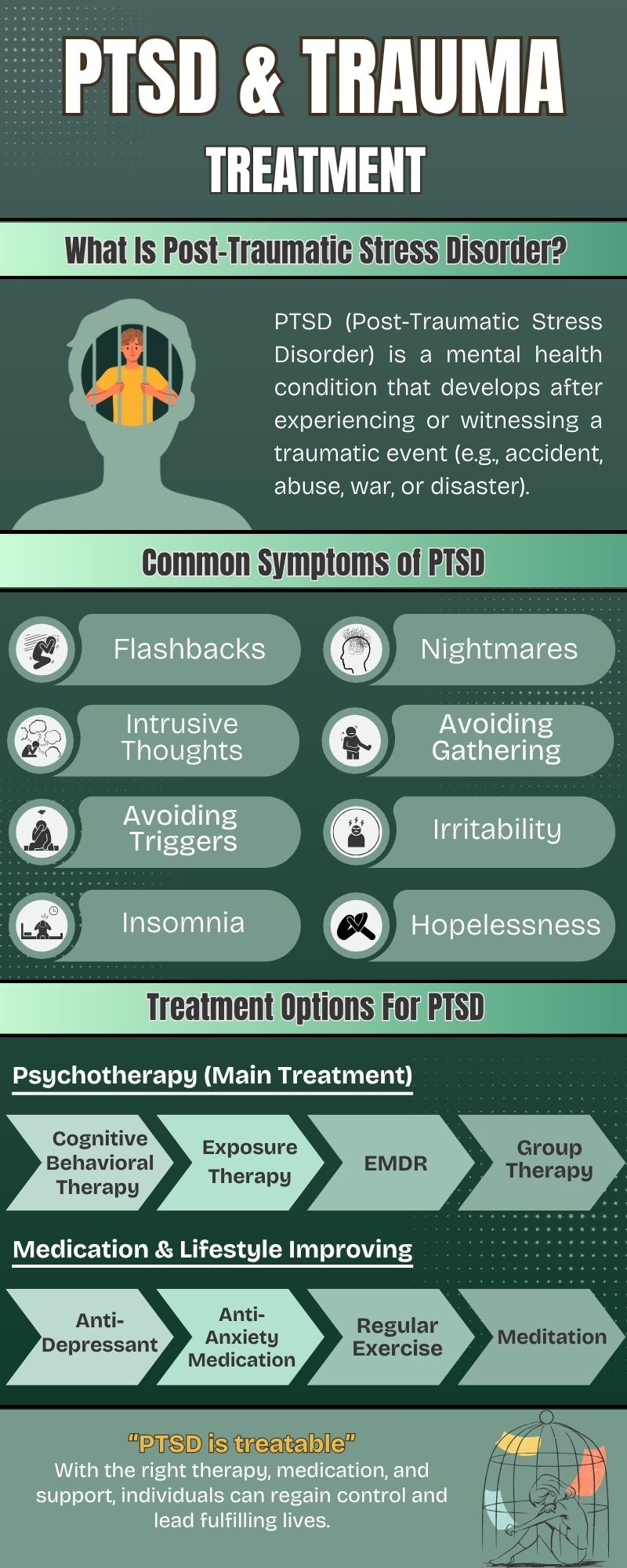
No two people respond to trauma in the same way. Some people experience flashbacks or nightmares, while others may struggle with anxiety, trouble sleeping, irritability, or feeling emotionally distant. On the other hand, some people continue working, caring for their families, and managing daily responsibilities while silently struggling on the inside.
Because everyone’s experience is different, treatment is based on your unique needs and symptoms.
3. Healing Doesn’t Mean Forgetting What Happened
Many people believe that trauma therapy is about erasing or forgetting painful memories.
That isn’t the goal!
Instead, therapy helps you process your experiences in a way so they no longer have the same impact on your daily life. Over time, many people find that difficult memories become less overwhelming and easier to manage.
4. Therapy Teaches Practical Coping Skills
Trauma therapy is about more than talking; it’s about learning practical tools that can help you handle stress, reduce anxiety, and respond to difficult emotions in a better way.
These skills can help you feel more confident when facing situations that once left you anxious and support you in your everyday life outside of therapy.
In addition to clinical practices, many individuals healing from trauma find immense relief in somatic, high-sensory physical tasks at home that naturally quiet an overstimulated nervous system.
Turning routine household maintenance into a deliberate form of active meditation – a concept fully explored in The Ultimate Guide to Therapeutic Cleaning: Why Pressure Washing Is Great for Mind and Body – serves as a practical, real-world tool to break up anxious mental loops and ground your focus firmly in the present moment.
5. Progress Takes Time
When people start therapy, they expect to feel better just after a couple of sessions.
Healing takes time and often happens in small steps instead of sudden changes. Some weeks may be easier than others, and it’s normal to have ups and downs along the way. The key is to keep showing up and give yourself time to grow.
6. You Don’t Have to Go Through It Alone
Living with PTSD or unresolved trauma can feel isolating, but we won’t suggest you face it by yourself.
Working with a mental health professional gives you a safe place to talk openly about your experiences, ask questions, and get guidance without fear of judgment.
For many people, simply knowing they have someone who listens can make all the difference in the world.
7. Treatment Looks Different for Everyone
When it comes to PTSD and trauma therapy in Salem, NH, know that one single treatment doesn’t work for everyone.
Some people benefit from weekly outpatient therapy, while others may need more support via an Intensive Outpatient Program (IOP). If the symptoms are severe enough to affect your daily life and reasoning, a Partial Hospitalization Program (PHP) may be more effective. Depending on your needs, your treatment plan may also include medication management or other supportive services.
Your therapist will work with you to recommend the level of care that best fits your situation and adjust your treatment as your needs change.
8. Asking for Help Is a Positive Step Forward
Many people wait months or even years before seeking treatment because they believe they should be able to handle things on their own.
The truth is that reaching out for help is one of the strongest steps you can take!
Trauma can affect your thoughts, emotions, relationships, and overall quality of life, but it does not have to define your future. With the right support, many people learn how to manage their symptoms, rebuild confidence, and move forward towards a healthy life.
What Happens After You Reach Out?
If you decide to contact a treatment provider, the process is usually quite simple:
- Step 1: You’ll begin by talking with a mental health professional about what you’ve been experiencing, any symptoms you’re having, and your goals.
- Step 2: Next, your treatment team will recommend the treatment option that best fits your needs and create a plan designed to support your recovery.
- Step 3: You’ll start your PTSD and trauma therapy.
You don’t need to know what type of treatment you need before making that first call. That’s what your treatment team is there to help with.
PTSD and Trauma Therapy at Clover Behavioral Health
There’s no right way to start trauma therapy!
Some people come to their first appointment knowing exactly what they want to talk about. Others aren’t sure where to begin, and that’s okay too.
At Clover Behavioral Health, we don’t expect you to share more than you’re comfortable with. Our therapist will meet you where you are, help you build trust over time, and focus on giving you tools that make everyday life feel more manageable. As your confidence grows, your treatment can grow with you, helping you move forward one step at a time.
So, if you’re looking for reliable PTSD and trauma therapy in Salem, NH, contact us today! We will address your concerns and help you with long-term, sustainable recovery.