
Substance Abuse Treatment For Alcohol Addiction In Salem, NH: Local Recovery Resources
“Recovery doesn’t start when the pain stops. It starts when you choose to do something different.”
In Rockingham County, good care is closer than many people think. Finding professional Substance Abuse Treatment for Alcohol Addiction in Salem, NH helps individuals break the cycle of chemical dependency and start rebuilding daily life. Alcohol addiction is a chronic medical condition that changes brain chemistry, so the urge to drink can feel automatic, even when it harms work, relationships, and health.
This article walks through warning signs, local levels of care, the medical and behavioral tools that help, and practical steps families can take when heavy drinking has become the norm.
Identifying The Warning Signs Of Alcohol Use Disorder
Social drinking often starts harmlessly. But over time, patterns can shift into physical dependence. People may need more alcohol to feel the same effect, skip events when a drink is not available, or face trouble at work. Some families miss early signs because they look like “normal stress” or “bad habits.” The real problem is not the number of drinks. It is the loss of control and the growing impact on daily life.
Severity Classification | Symptom Count Range | Primary Behavioral Indicators | Recommended Actions |
Mild Alcohol Use Disorder | 2–3 symptoms | Drinking more than planned, missed commitments, rising tolerance | Start with outpatient counseling, check with a primary care provider, explore peer support groups |
Moderate Alcohol Use Disorder | 4–5 symptoms | Frequent heavy episodes, failed attempts to stop, drinking that affects work or family life | Consider intensive outpatient care, add medication-assisted treatment if needed, build a relapse plan |
Severe Alcohol Use Disorder | 6+ symptoms | Daily or near-daily use, withdrawal symptoms, health risks, strong cravings, major life impact | Seek medically supervised detox, join structured IOP, address co-occurring conditions with a full care team |
Also Read: Bipolar Disorder Treatment in Salem, NH
Medical Components Of Substance Abuse Treatment For Alcohol Addiction In Salem, NH
Long-term healing from an alcohol use disorder typically comes in clear clinical stages. The body must first stabilize. Thus, it is just the new tools for the mind that we get access to. Ultimately, the individual gets educated to go without alcohol as a crutch behavior.
- Clinical Detoxification Support: Medical staff monitors for safety while getting through withdrawal, looking for tremors, rapid heart rate, confusion, or shakiness. In more serious situations, this stage might require inpatient attention or day-to-day tracking.
- Cognitive Behavioral Therapy (CBT): CBT helps individuals to identify the thoughts that drive them to drink. They learn to substitute previous loops for new responses so that stress doesn’t always lead to an old bottle.
- Medication-Assisted Treatment (MAT): FDA-approved medications like naltrexone or acamprosate may help reduce cravings and improve the ability to adhere to a sobriety plan when times get tough.
- Relapse Prevention Tactics: Patients create real-time toolbox solutions for outings, long work days, and difficult emotions. These plans assist them in dealing with real-world triggers without falling back on alcohol.
For people who want structured local care, you can explore evidence-based addiction treatment programs at Clover Behavioral Health to see how clinical support fits into daily life in Salem.
Local Therapy Levels In Rockingham County: Outpatient Substance Abuse Counseling
This form of therapy, while beneficial to those with relatively stable homes and regular schedules, really falls short for many people who may not have reliable access to their resources. Clients engage in weekly sessions where they talk through triggers and track progress with a therapist. This level is easygoing, but still requires honesty and a strong support system.
Intensive Outpatient Programs (IOP) For Alcohol Rehab
IOP offers more structure without overnight stays. Patients attend several hours of care each day, often in blocks that fit around work or school. Programs include group therapy, education, and coaching on coping skills. Local IOP models in Rockingham County aim to keep recovery close to home, so travel stress does not become another barrier.
If you’re trying to balance work and sobriety, you may also want to learn about our intensive outpatient rehab in Salem, which outlines how flexible scheduling and clinical support can work together.
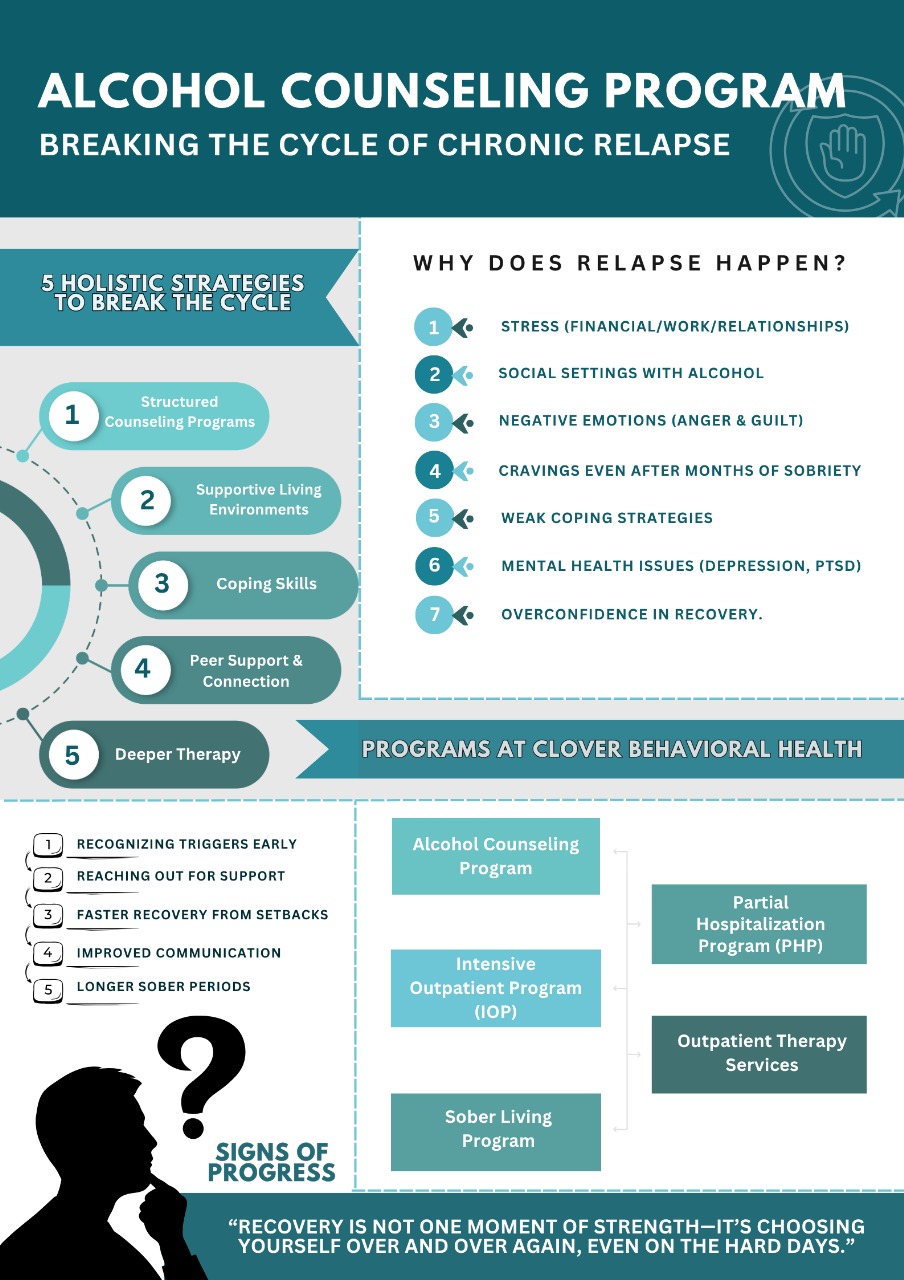
Recovery Metrics: An Alcohol Dependency Treatment Case Study
Think of “Patient M” as a realistic clinical model based on patterns seen in large studies. He is 42, works full time, and has a ten-year history of heavy drinking. He has tried to quit on his own several times, but stress or boredom often led him back to alcohol. His pattern matches what the National Institute on Alcohol Abuse and Alcoholism describes as common in severe alcohol use disorder.
His plan began with a medically supervised detox, followed by a move into an outpatient track. He started weekly behavioral therapy and began taking Naltrexone to lower cravings. Over the next 12 months, he stayed sober, kept his job and rebuilt trust with his family.
Stats Snapshot
- Combined medical and behavioral care can reduce alcohol relapse rates by up to 60% compared to stopping without professional help, according to clinical alcohol use disorder guidelines on the NIAAA portal.
- Many patients in structured outpatient programs show marked improvement after 4–8 weeks of consistent attendance.
- Medications like Naltrexone and Acamprosate are linked to lower drinking frequency and fewer heavy episodes in long-term follow-up.
Logistics And Practical Steps For Local Recovery
- Checking Insurance Verification: Local clinics often work with regional plans like Anthem Blue Cross Blue Shield of NH or Harvard Pilgrim. A quick verification call can clarify coverage for detox, therapy, and medication.
- Accessing Community Support: Clinical therapy can pair well with local peer groups, such as Alcoholics Anonymous meetings in Southern New Hampshire. These groups offer steady encouragement and a real human network.
- Addressing Dual Diagnosis: Many people with alcohol use disorder also manage anxiety, depression, or past trauma. Treating both the addiction and the mental health condition together leads to better long-term results.
For those who want help with coverage questions, you can verify your insurance coverage with Clover Behavioral Health to see what options are available in Salem.
FAQs
What Is The First Phase Of Substance Abuse Treatment For Alcohol Addiction?
The first step is a full medical evaluation followed by clinical detoxification. This helps the body clear toxins safely while staff manage withdrawal symptoms like tremors, nausea, or fast heart rate.
Can I Enroll In Intensive Outpatient Alcohol Treatment While Continuing To Work?
Yes. Local intensive outpatient options often offer morning or evening sessions. This setup allows people to attend therapy and receive medical care without leaving their job responsibilities.
How Long Do Local Alcohol Rehabilitation Programs Last?
Needs vary by person, but structured outpatient and intensive stabilization tracks often run from 4 to 12 weeks. Many patients then move into longer-term check-ins or lower-intensity support.
Where Can I Get Immediate Substance Use Crisis Support In New Hampshire?
Residents can find immediate help through the New Hampshire Department of Health and Human Services alcohol recovery resources or by calling the regional 211 network to connect with emergency support and local services.
Your First Step Toward Lasting Sobriety
Long-term recovery is possible close to home. Professional Substance Abuse Treatment for Alcohol Addiction in Salem, NH offers the clinical support, behavioral tools and medical supervision needed to protect your health and build a balanced life.
With local detox options, outpatient counseling, intensive outpatient programs and steady follow-up, you can move from daily struggle to steady progress. The first step is not perfect. It is just real. And that is enough to begin.