
The “Successful but Exhausted” Pattern: Understanding High-Functioning Depression
“People Tell Me I’m Doing Great, Yet I Feel Heavy Inside.”
If you are searching for High-Functioning DepressioniIn Salem, NH, the short answer is yes, it can be real even when your life looks “fine” on the outside. This pattern often shows up when you keep working, parenting, studying, and showing up socially, yet you feel persistent sadness, low motivation, and quiet hopelessness that does not fully lift.
At Clover Behavioral Health, we see how easy it is to label these symptoms as “stress,” especially when you are still performing well. That is why this guide focuses on what high-functioning depression can look like in daily Salem life, what fuels it, and what helps you start feeling like yourself again.
High-Functioning Depression In Salem, NH Defined
High-functioning depression describes a situation where depressive symptoms are present, but your daily “functioning” still looks intact to others. In other words, you may keep up with responsibilities while privately struggling with persistent sadness, low energy, and hopelessness that you cannot easily explain.
Because your outward life still moves forward, you might minimize what you feel or blame your personality. However, when symptoms last for months (or longer), it is often more than stress, and it may overlap with persistent depressive disorder (PDD) patterns that deserve professional support.
High-Functioning Depression In Salem NH Vs. Major Depression
High-functioning depression and major depressive disorder (MDD) can share many symptoms, yet they often differ in how visible the struggle becomes. With high-functioning depression, you might still go to work, keep the house running, and answer texts, even while you feel emotionally drained and disconnected.
With MDD, functioning can drop more sharply, so loved ones may notice sooner. The challenge in Salem, especially for busy professionals and caregivers, is that emotional numbness can look like “being responsible,” which delays help.
Area | High-Functioning Depression | Major Depression (MDD) |
Visibility | Often hidden behind performance | Often more noticeable |
Daily roles | Still completed, but with strain | Often disrupted |
Inner experience | Smiling depression, quiet exhaustion | Deep sadness, reduced capacity |
Symptoms Of High-Functioning Depression Salem NH
High-functioning depression symptoms are often subtle, which is why people feel confused by them. You may look steady in public, yet inside you carry constant tension, self-doubt, and a sense that nothing is truly enjoyable anymore.
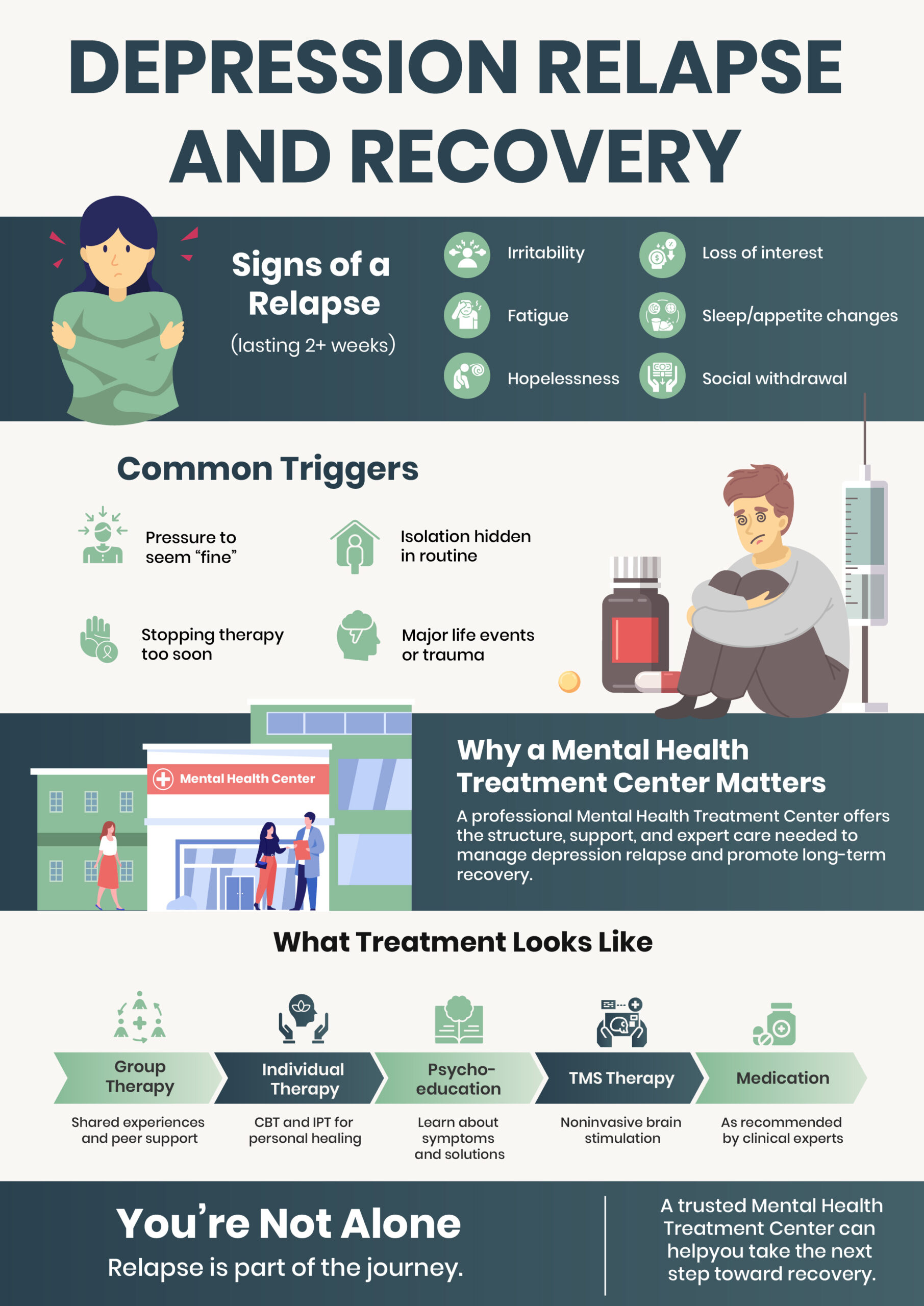
To make it clearer, here are common signs to watch for. If several fit you most days, it is worth taking seriously rather than pushing through.
- Hopelessness that “follows” you, even on good days
- Self-criticism that overrides compliments or achievements
- Irritability, impatience, or feeling “on edge”
- Social withdrawal, even from people you care about
- Trouble focusing, forgetting details, mental fog
- Sleep changes (sleeping too much or too little)
- Appetite changes, comfort eating, or reduced appetite
- Low motivation, fewer hobbies, less joy
- Feeling guilty for struggling because “others have it worse”
- Increased reliance on alcohol or other substances to unwind
- Physical aches, heaviness, or fatigue that feels unexplained
- Smiling depression (you appear okay, but you are not)
 Wondering if hidden sadness signals more? Explore our guide “Am I Having Panic Attacks? Salem, NH” next – it pairs perfectly with spotting high-functioning depression by addressing the anxiety that often shadows it.
Risks Of Ignoring High-Functioning Depression In Salem
When high-functioning depression is ignored, it often becomes more entrenched because the “mask” is rewarded. People praise your productivity, so you keep performing, and as a result, you never get the rest, care, or emotional support that could reduce the symptoms.
Over time, this can lead to burnout, relationship strain, and worsening isolation, especially during long winter stretches. Most importantly, some people develop darker thoughts while still looking “high-functioning,” which is why we treat any signs of hopelessness, numbness, or thoughts of self-harm as urgent and worthy of support.
Causes Behind High-Functioning Depression Salem NH
There is rarely one single cause, and that is important to say out loud because it reduces shame. Depression can develop through a mix of biology, life stress, trauma history, and ongoing pressure to perform, especially when you have limited downtime and you rarely ask for help.
Common contributing factors include:
- High ongoing stress from work, school, or caregiving
- Family or relationship pressure, including unresolved conflict
- Past trauma, grief, or chronic emotional strain
- Genetics and mood-related biology
- Chronic pain or long-term medical stress
- Substance use that begins as coping and then worsens mood over time
Coping Tips For High-Functioning Depression In Salem NH
Coping works best when it is practical, repeatable, and kind, not harsh. You do not need a “perfect routine” to improve. Instead, aim for steady basics, and then add one or two skill-based changes that address thoughts and behavior patterns.
Below is a simple way to turn common advice into action, with a Salem-friendly lens that fits real schedules.
Tip | Why It Works | Salem-Friendly Example |
Name what’s happening | Reduces shame and confusion | Tell yourself, “This is depression, not laziness.” |
Build tiny routines | Lowers decision fatigue | Same wake time, short walk, simple breakfast |
Challenge negative self-talk | Reduces emotional weight | Replace “I’m failing” with “I’m struggling, and I can get help.” |
Reconnect socially | Counters withdrawal | One text, one coffee, one planned check-in |
Limit alcohol/substances | Protects sleep and mood | Swap “nightcap” with tea and a wind-down ritual |
When To Seek Help For High-Functioning Depression Salem