
Top Signs You Need an IOP Program in Salem, NH
Managing the intense pressure of living and working in Southern New Hampshire often pushes individuals to their breaking point. Between commuting down Interstate 93 into Massachusetts and juggling family obligations, many Merrimack Valley residents fall into the trap of simply white-knuckling through severe mental health or substance use struggles. Over one in five adults in New Hampshire experience some form of mental illness annually, highlighting a massive need for accessible care.
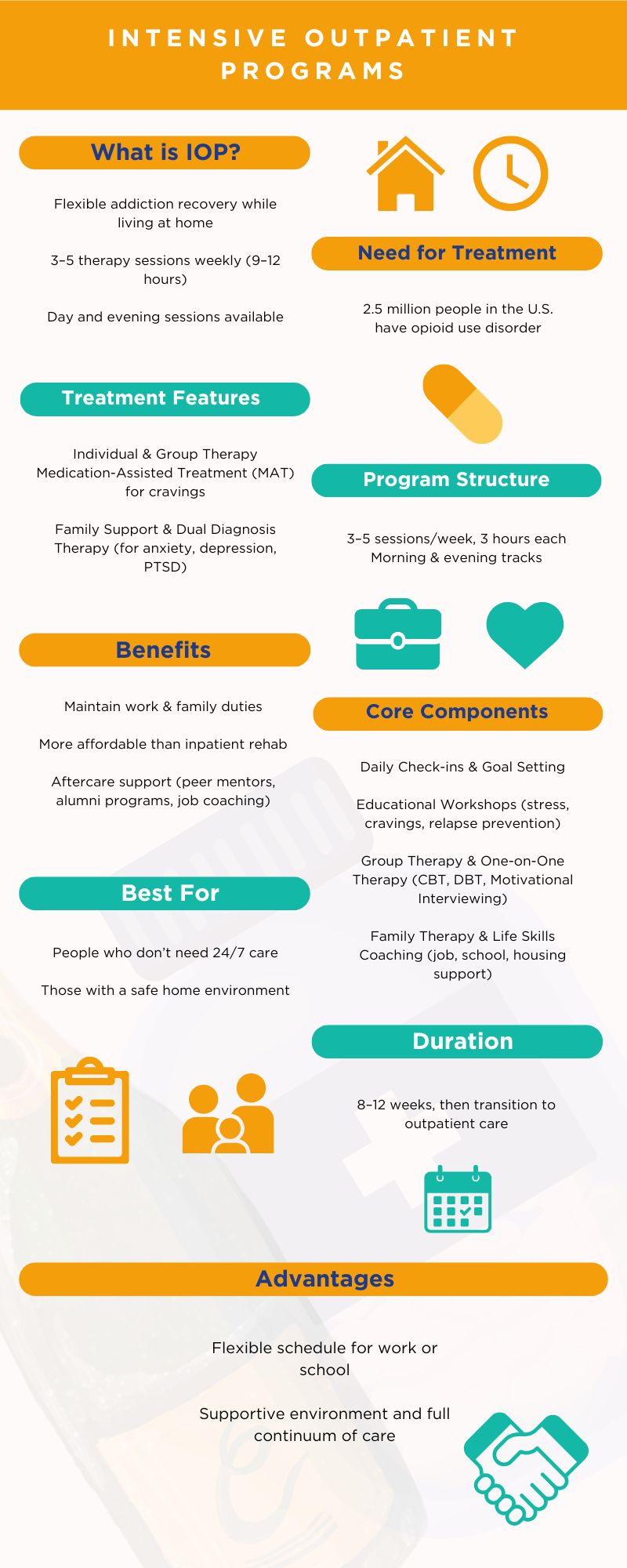
You do not have to wait for a total collapse to get serious clinical help. Located right in Salem, Clover Behavioral Health provides a highly structured Intensive Outpatient Program that delivers robust intervention while allowing you to remain active in your daily life.
The Functional Breaking Point: When Coping Mechanisms Fail
Holding down a demanding job or keeping up appearances at community events does not mean your nervous system is healthy. This illusion of being highly functional frequently masks a terrifying internal reality. Many professionals spend their entire day burning through all their available emotional reserves just to survive their shift.
They arrive back home to their families completely depleted and unable to engage in genuine connection. This profound emotional exhaustion often triggers a dangerous escalation of self-medication. You might begin relying on alcohol or prescription medications merely to artificially force your brain to transition from work mode to sleep mode.
Using illicit substances to quiet racing thoughts is a massive red flag that your current coping skills are entirely failing. Your central nervous system eventually builds a tolerance to these chemical depressants. This biological adaptation forces you to consume increasingly larger amounts just to achieve a basic baseline of calm.
The physical toll of this daily cycle completely degrades your prefrontal cortex over time. This crucial brain region governs your impulse control and logical decision-making abilities. When chronic stress and substance use impair this area, you lose the ability to regulate your own emotional responses.
You become highly reactive to minor daily inconveniences because your brain perceives them as massive survival threats. The amygdala essentially hijacks your entire central nervous system. You are left operating on pure survival instinct without any logical filter.
Why Weekly Therapy is No Longer Holding the Line
Many individuals realize their current support system is failing when they fall into the dreaded status report trap. When you are operating in acute distress, a standard weekly therapy session is entirely consumed by just reporting the crises of the past seven days. This reactionary dynamic leaves zero time for actual skill-building or neurological rewiring.
You spend forty-five minutes simply unloading the week’s anxiety before driving right back into the exact same stressful environment. This creates a deeply frustrating cycle where therapy feels like a temporary relief valve rather than a permanent cure. Breaking entrenched cycles of severe anxiety or addiction requires massive clinical density.
You need the multi-day structure that only an intensive program can provide to actively intercept a panic response. Our clinicians teach real-time distress tolerance training to help you physically regulate your nervous system. This frequency of care creates the neuroplasticity required to actually change how your brain processes psychological threats.
Clear Clinical Indicators It Is Time for Intensive Care
Recognizing the need for a higher level of care requires honest reflection on your daily behavioral patterns. Profound social isolation is one of the most glaring emotional red flags of an impending collapse. You might find yourself aggressively pulling away from loved ones or constantly finding excuses to skip important family gatherings.
Even when you force yourself to be physically present in the room, a traumatized brain often feels completely disconnected from reality. This severe dissociation is a biological defense mechanism against overwhelming psychological pain. Your nervous system attempts to protect you by completely numbing your emotional receptors.
The physical and cognitive tolls of this untreated distress are equally devastating to your daily life. Chronic and unexplained insomnia is a major physiological indicator that your body is trapped in a permanent state of high alert. Your brain overproduces excitatory chemicals like glutamate to stay awake against its natural rhythm.
The Reality of Cognitive Decline
You might wake up experiencing severe morning panic or hangxiety that leaves you physically paralyzed before the day even begins. This constant flood of cortisol completely destroys your executive functioning capabilities. You will likely experience an absolute inability to focus on basic work tasks or organize your daily schedule.
This cognitive impairment is often accompanied by the terrifying sensation that you are completely losing control of your own impulses. Minor frustrations quickly escalate into severe anger or crippling panic attacks. Your physical body is literally begging for a clinical intervention to reset your hyperactive alarm system.
You must intervene clinically before this severe lack of emotional regulation leads to a catastrophic professional or personal mistake. Intensive care acts as a powerful circuit breaker for this escalating neurological crisis. It provides the precise structural support needed to safely rebuild your depleted cognitive reserves.
The Clover Behavioral Health Solution in Southern New Hampshire
Our Intensive Outpatient Program provides hours of rigorous and evidence-based therapy each week. This creates a powerful clinical container that holds the heavy weight of your recovery while you stabilize. You receive this elite level of care during the day while still returning home to sleep in your own bed at night.
This structural advantage allows you to immediately practice your new coping skills within your actual living environment. Bringing those real-world stressors back to your clinical team the next morning allows for rapid adjustments. We deploy a comprehensive dual diagnosis approach to ensure we are treating the entire person.
Our master-level clinicians do not just treat the surface symptoms of your addiction or anxiety. We actively explore the root psychological drivers fueling your need to self-medicate. This deep analytical work is absolutely mandatory for achieving sustainable sobriety and mental wellness.
Advanced Modalities for Lasting Healing
We utilize Cognitive Behavioral Therapy to actively dismantle your destructive thought patterns and rebuild your self-worth. Our staff also incorporates Dialectical Behavior Therapy to teach advanced emotional regulation and mindfulness techniques. This is paired with targeted psychiatric care to properly address the root trauma or severe mental health conditions driving your distress.
Treating both the psychological wound and the chemical dependency simultaneously is the only reliable path to permanent recovery. You cannot simply take away the substance without providing the brain with new distress tolerance tools. Our program equips you with a permanent clinical toolkit for navigating everyday pressure.
Take the Next Step Toward Lasting Stability
Asking for an upgraded level of care is a highly strategic and courageous decision to protect your future. It is never a failure of your past recovery efforts. You do not have to wait for the perfect time to prioritize your mental health and reclaim your life.
Please reach out to our compassionate admissions team today for a fully confidential assessment and program scheduling details. We will gladly help you navigate your treatment options and provide rapid insurance verification to eliminate any unnecessary delays.
Contact Clover Behavioral Health at 978-216-7765. You can also explore our intensive outpatient programs online at cloverbehavioralhealth.com.