

How Can Families and Loved Ones Support Someone in an Intensive Outpatient Program?
An intensive outpatient program can be lonely and tiring. Especially when your family doesn’t understand what you’re going through, you feel trapped and pressured to make it work. Also, a person’s loved ones might unintentionally trigger their negative thoughts or actions and jeopardize their growth.
That’s why experts recommend that families learn about these situations and make it easier for the one battling poor mental health or an addiction. If you’re not sure how to help your loved one go through this difficult phase, we’ve got you.
Keep reading to be there for them while they’re in a pickle!
How Can Families Support Someone in an Intensive Outpatient Program
An intensive outpatient program is scheduled and time-consuming, which means one needs as much support as they can get. If someone you love is going through it, here is how to make it more doable for them:
Help With Transport and Schedules
Being in an intensive outpatient program means the patient has to visit the treatment center 3-5 times a week for pretty long sessions. Such a commitment can tire anyone out, and when one is already dealing with a problem, having some help can make a big difference. That’s why even mental health experts encourage family members to sometimes drive the struggling person and make their commute easier.
Someone who is anxious or exhausted may find even a short trip hard, so even if you can’t drive them every time, build a backup plan with another relative. A plan for bad days keeps one rough morning from turning into a skipped week.
Likewise, helping one with a schedule that takes all their commitments into consideration is a huge help. Weak mental health or a substance dependence can impact one’s time management skills, so helping them with it can make their IOP more manageable. You can map their whole week by including session times, medication times, and any doctor or therapist appointments on one shared calendar.
Another thing worth mentioning is that it’s better to offer help instead of taking over without asking, because in that case, the person might feel overpowered. Also, checking in every hour feels like surveillance, so handle the logistics around their recovery and don’t be too interrogative during early recovery.
Keep Home Substance-Free
Our environment is the biggest factor behind our positive and negative habits. For example, if certain substances are present in one’s house, they feel more tempted to use them, which will inevitably undo their progress. Similarly, a chaotic and stressful home will do no good for one’s mental health treatment. Hence, families can make one’s intensive outpatient treatment better by making their home trigger-free.
Removing alcohol, drugs, and anything linked to using, like pipes, is a good starting point. And since alcohol can be in more places than the kitchen, do a thorough check to remove this trigger.
If the person in recovery shares the home with others who want to help, they should agree on certain rules so no one is caught off guard. That’s why many families keep alcohol out of the house, even when only one person has the problem, because it sends a clear message that their problem matters.
Finally, remember that stress is a trigger. Constant fighting and unpredictable tension can push someone back toward old coping habits. A steady home is always a safer one; try to provide that for someone in IOP.
Listen Without Judging
A patient talks about their mental health or addiction challenges in detail during their IOP sessions. Once that information is out of their system, they might not want to repeat it. However, families tend to ask prying questions and unintentionally remind one of their triggers. If you want your loved one to fully recover and return to a normal, happy life, be a safe person to talk to.
Our judgment might show up in small ways: a sigh, a question like “Why can’t you just stop?”, or a quick fix offered before they’ve finished their sentence. Each one teaches them that honesty has a cost, and people who feel judged start hiding things, and these interruptions can jeopardize their recovery.
Notably, when you want to engage them in useful conversations, ask open questions, like “What was the hardest part today?”, and then let the silence sit. After they answer, reflect back what you heard, and acknowledge their exhaustion before offering any advice. Also, don’t quiz them about what happened during therapy, because that belongs to them.
If you want to ask them about something, ask about the therapies they are going through. These therapies are mentioned in this article: What Therapies Are Used in a Mental Health IOP? CBT, DBT, and Beyond.
Share the Daily Load
IOP is emotionally draining. Inevitably, many people feel drained after a session and need some downtime, but because their chores and responsibilities can’t wait, they feel forced to fulfill them. If you can offer help at this point, it’ll matter a lot because the person will feel heard and seen.
You can take specific tasks off their plate, and asking them might not work because someone who is struggling might not know what to ask for. This is where you need to be concrete and use statements like: “I’ll cook on session days.” or “I’ll do school pickup on Tuesdays and Thursdays.” Moreover, looking after their meals, sleep schedule, and some socializing can ensure they don’t feel isolated.
Learn About Recovery
When an intensive outpatient program ends, families often assume that their loved one is ‘fixed’. However, addiction and mental health recovery is never linear; it’s a constant effort.
These situations involve changes in the brain, along with stress and habits that take time to shift. Relapse rates for substance use are similar to those of other long-term conditions like asthma and high blood pressure.
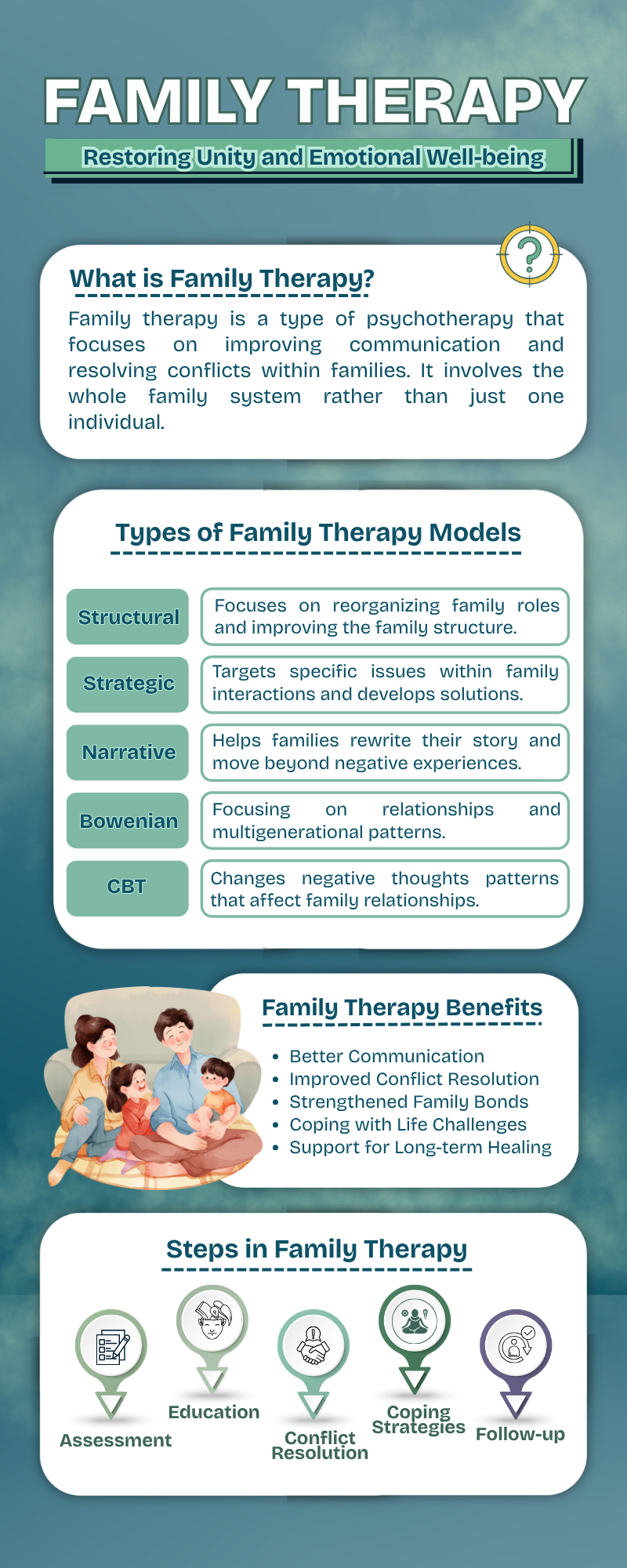
That’s why it helps to learn the specifics of your person’s situation. What does their program cover? What triggers them? What are relapse warning signs? If you’re unaware of these things, many treatment centers include family sessions within an IOP model, which can help you better prepare for these situations. Also, groups like Al-Anon, Nar-Anon, or NAMI’s family programs put you in a room with people living the same thing, which can ease the urge to blame yourself or them.
Your Support is Always Needed
We often assume that our loved ones don’t really need our help, but in reality, they always do. Especially when they’re working on themselves, even a little help can strengthen their spirit. If someone important in your life is trying to change their life for the better, always offer a helping hand because it’ll make them feel loved and acknowledged.