

What Happens After You Complete an IOP? Creating an Aftercare and Relapse Prevention Plan
Have you completed an intensive outpatient treatment program for your addiction issues? That’s incredible, because not everyone has the willpower to go through treatment and dedicate as many weeks/months as the experts recommend. However, your journey is still ongoing because maintaining recovery is just as important as completing a treatment model.
What usually happens is that after someone is done with treatment, they resume their normal life, which inevitably means more triggers or chaos that can make a person spiral. That’s why you must have a relapse prevention plan in place that keeps reminding you of the hard work you have done during treatment and doesn’t let you fumble.
Keep reading to know what happens after you complete an IOP and how to make a plan to prevent a relapse.
What Happens After an Intensive Outpatient Program for Substance Use Disorder or Alcoholism?
An intensive outpatient program keeps you in active recovery because you attend the treatment center multiple times a week. Naturally, it gives your life a certain rhythm, and you’re less likely to fall into old habits. But after it ends, you’re back to your previous life where you won’t be seeing an expert regularly and have to manage most things alone.
Here are some inevitable things you’ll experience after completing an IOP:
Everyday Life Resumes
Since an IOP runs alongside normal life, finishing it does not move a person into a different world. They simply get back the hours that used to go to sessions, along with the habits of an ordinary week.
That sounds easy, but those free hours are where many people struggle first because nothing is scheduled to keep their mind and hands busy.
Responsibilities Require Full Attention
Everything keeps moving while you’re in treatment, and it all comes back into your focus the moment the program ends. Many people feel pressure to fix everything because they feel guilty about the time they were away. At this point, stress is one of the most common causes of relapse.
Similarly, a crowded to-do list further adds to this stress and can make you feel negative towards everything.
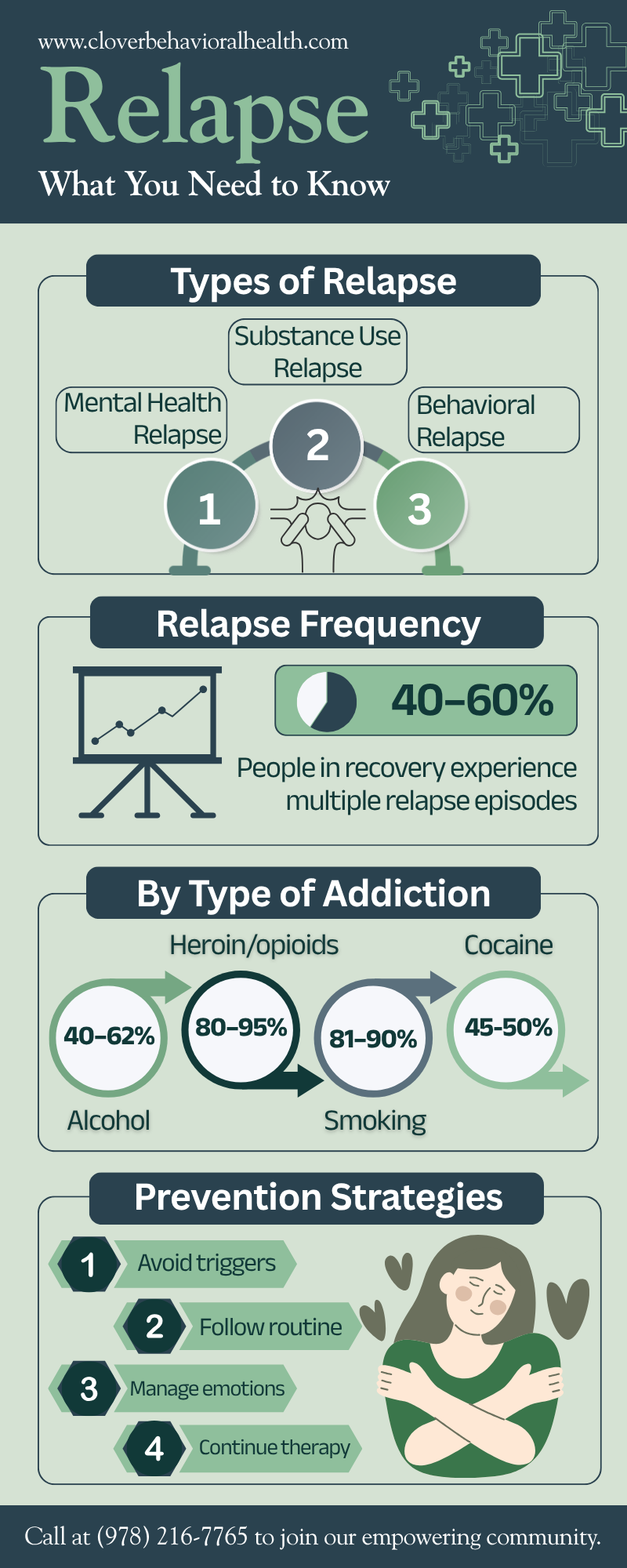
Hence, a better approach is to sort tasks by urgency and handle them one at a time while also protecting the hours set for therapy and meetings.
There Can Be Triggers All Around
A trigger is something your brain connects with past substance use. For example, it can be a person, place, or an emotion like stress. Because you follow a fairly protected routine during IOP, coming out of it often means real life brings triggers back.
How to Make a Relapse Prevention Plan After You Complete an IOP?
One thing is almost certain: your willpower and self-control will be challenged time and again after you complete treatment. There will be times when you’re totally alone and not being watched, which can urge you to try something just once.
Similarly, certain situations will press your buttons and force you towards substance use to calm down. But if you’re serious about protecting your recovery, a relapse prevention plan can help avoid these hurdles.
Here is how you can follow a plan to ensure your hard work doesn’t get undone:
Map Out Your Triggers
The first step in any relapse prevention plan is to write down everything that has pushed you toward substance use in the past. Then, split the page into outside triggers like people and places and inner triggers like anger or loneliness. After that, look back at your last few episodes of use and note what happened in the hours before each one.
Rate every item as low, medium, or high risk so you know where to focus your effort. Doing so will help you set a firm rule for the high ones, like staying away from a certain place or ending contact with someone.
Build Coping Skills
Most cravings rise and fade within about half an hour, so the goal is to get through that window without giving in. That’s why experts agree that keeping a short list of go-to actions can get you through that wave.
For instance, taking a walk or slow breathing are solid choices when you’re craving something you shouldn’t use. Another trick is urge surfing, which teaches you to watch the craving rise and fall like a wave in the sea. You simply observe how the craving goes up and down, but don’t fight or try to act on it. Within a few minutes, that wave dies down, and you stay clean.
Plan for High-Risk Situations
Certain events, like holidays, can be high-risk for someone in active recovery. But because you know about them weeks ahead, there is enough time to decide how you will handle it.
For instance, you can choose whether to attend at all, and if you do go, convince a sober friend to join you. Moreover, driving your vehicle and setting a leaving time will further reduce the expected risk. And when you’re there, hold a safe drink and keep a short line ready for refusing offers such as “No thanks, I’m good.”
Have a Support Network
Recovery is harder to protect alone, so write down 3-4 people you can call when things get heavy. These trusted people should know what real help looks like for you, like talking it out or a ride somewhere. You should also share the main points of your plan so they can notice warning signs.
Another smart approach is to add structured support through groups like Alcoholics Anonymous (AA) or Narcotics Anonymous (NA) because these give you a steady place to talk.
Take Care of Your Mental Health
Mental health conditions like anxiety and depression often sit under substance use and do not disappear when treatment ends. It simply means these issues keep pushing toward relapse until they are managed. That’s why someone in recovery should keep their therapy and medication appointments and take any prescribed medicine exactly as directed.
Moreover, regular sleep, balanced meals, and daily movement steady mood and ease cravings. So, slowly build these positive habits into your week like any other appointment.
Don’t Let Your Guard Down
Completing an IOP means you’ve done most of the grunt work, and now only your willpower is needed to protect its results. If you feel like life after treatment is too heavy, the experts at Clover Behavioral Health will map out an aftercare plan for you. You just have to stay consistent–we can make it work together.