

What Is an Intensive Outpatient Program (IOP) for Mental Health, and How Does It Work?
Weekly therapy isn’t enough anymore, but you can’t put your life on hold! You have work, you have school, or a family counting on you. So you wonder: is there something in between?
There is! It’s called an intensive outpatient program, or IOP.
This guide explains how an intensive outpatient program for mental health works, step by step, so you know what to expect before you start.
What Is an Intensive Outpatient Program?
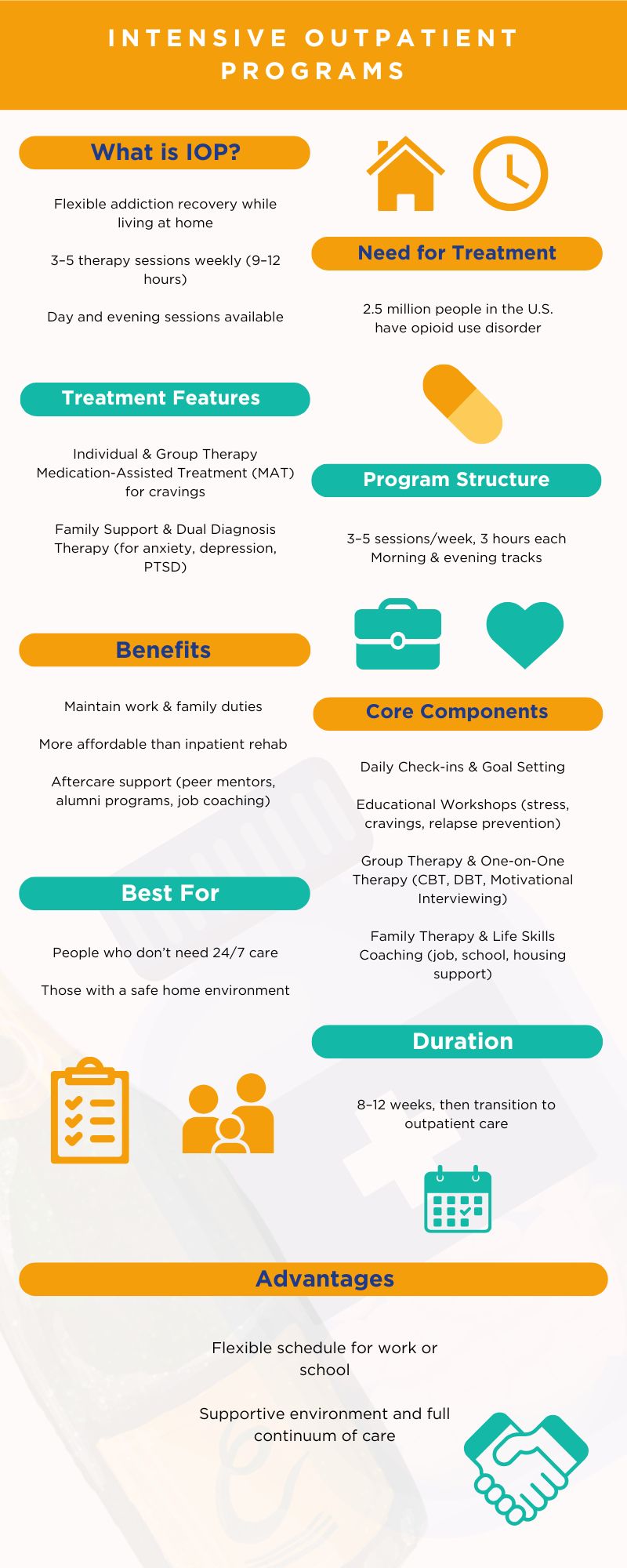
An intensive outpatient program, or IOP, is a type of mental health treatment that gives you more support than weekly therapy, without staying overnight. You go to the program for a few hours at a time, a few days a week. Then you go home.
Think of it as a middle step. It’s stronger than one therapy session a week, but it’s not as full-time as a Partial Hospitalization or Day Treatment Program.
Who Is IOP For?
IOP can help many people, including those who:
- Have symptoms like anxiety, depression, or mood swings that are getting in the way of daily life
- Tried weekly therapy and feel they need more support
- Are leaving a hospital stay or a PHP and aren’t ready to go back to once-a-week care
- Want strong support but need to keep working, studying, or caring for family
IOP may not be enough if you feel unsafe or are in a crisis. In that case, you may need a higher level of care, and a short assessment can help sort that out.
How Does an IOP Work: Step by Step
Every program is a little different, but most follow the same path:
Step 1: A First Call and Assessment: You talk with a member of the team and share what’s been going on. They ask about your symptoms, your health, and your goals. This is how you find out if IOP is the right fit.
Step 2: A Plan Made for You: You and your care team set goals together. Your plan is based on what you need, not on a one-size-fits-all schedule.
Step 3: Your Weekly Schedule: Most IOPs meet a few hours a day, 3 to 5 days a week. Sessions often include group therapy and one-on-one time. Many people keep their job or school schedule and fit treatment around it.
Step 4: Regular Check-ins: Your team checks how you’re doing, talks about what’s working, and changes your plan as you get better.
Step 5: A Step-down Plan: As you improve, you cut back on visits and move toward weekly therapy or aftercare. The goal is to build skills and confidence so you can keep going on your own.
What Happens During Treatment?
Here are the main parts of an IOP, in plain terms:
Group Therapy
You meet with a small group of people going through similar situations, led by a trained therapist. You share, listen, and practice new ways to handle hard moments. Many people say it helps to be around others who understand.
One-on-one Therapy
You meet with a therapist privately to talk about your own story and goals.
Skill-building Lessons
You learn tools you can use every day, such as calming your body when you feel anxious, handling stress, spotting what sets off your symptoms, and talking about hard feelings.
Medication Support
If medication is part of your care, your team can help you keep track of how it’s working.
Between sessions, you practice what you’ve learned in real life. That’s the main advantage of IOP: you can try new skills at home and at work, then bring back what worked and what didn’t.
When something doesn’t work, your care team helps you work out why, so you can try again with a better plan. Many people also find it helps to share their goals with a trusted friend or family member, so someone can cheer them on.
What Mental Health Conditions Can IOP Help Treat?
An IOP may support people dealing with different mental health conditions. The type of treatment depends on the person’s symptoms, needs, and clinical assessment.
Some programs may provide care for people experiencing:
- Depression: Ongoing sadness, low energy, loss of interest, difficulty managing daily tasks, and everything else that depression affects.
- Anxiety Disorders: Excessive worry, fear, panic attacks, or trouble handling everyday situations.
- Post-traumatic Stress Disorder (PTSD): Distressing memories, avoidance, or feeling constantly on edge after a traumatic experience.
- Bipolar Disorder: Changes in mood, energy, and activity that affect daily life.
- Other Mental Health Concerns: Emotional or behavioral challenges that require more support than regular outpatient therapy.
How Long Does IOP Last, and What Comes Next?
There’s no single answer. Many people stay in an IOP for several weeks to a few months, depending on their needs and how they’re doing. Your care team will talk with you about what’s right for you, and they’ll look at your progress along the way.
When you’re ready, you can move to weekly therapy or other aftercare. This keeps you supported while you build on the progress you’ve made.
Warning Signs: Get Help Right Away
If you are having thoughts of ending your life or hurting yourself, or you feel you are in danger, call or text 988 (the Suicide & Crisis Lifeline) or call 911. Help is available 24 hours a day.
Ready to Find Out if an IOP Fits Your Life?
Asking for more support isn’t a step backward. It’s a smart move, and it shows you want to feel better. An intensive outpatient program gives you real help while you keep your life going.
If you’re wondering whether IOP is right for you, a simple, private conversation can help you find out.
Call 978-216-7765 for Massachusetts or 603-207-8696 for New Hampshire. Or request a confidential callback, and we’ll reach out to you.
And if you’re worried about cost, you can check your coverage here.
Feeling better can start with one call, and we’re here whenever you’re ready!